
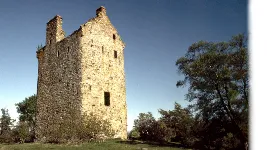
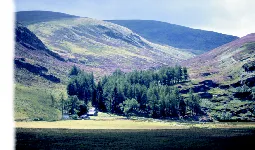
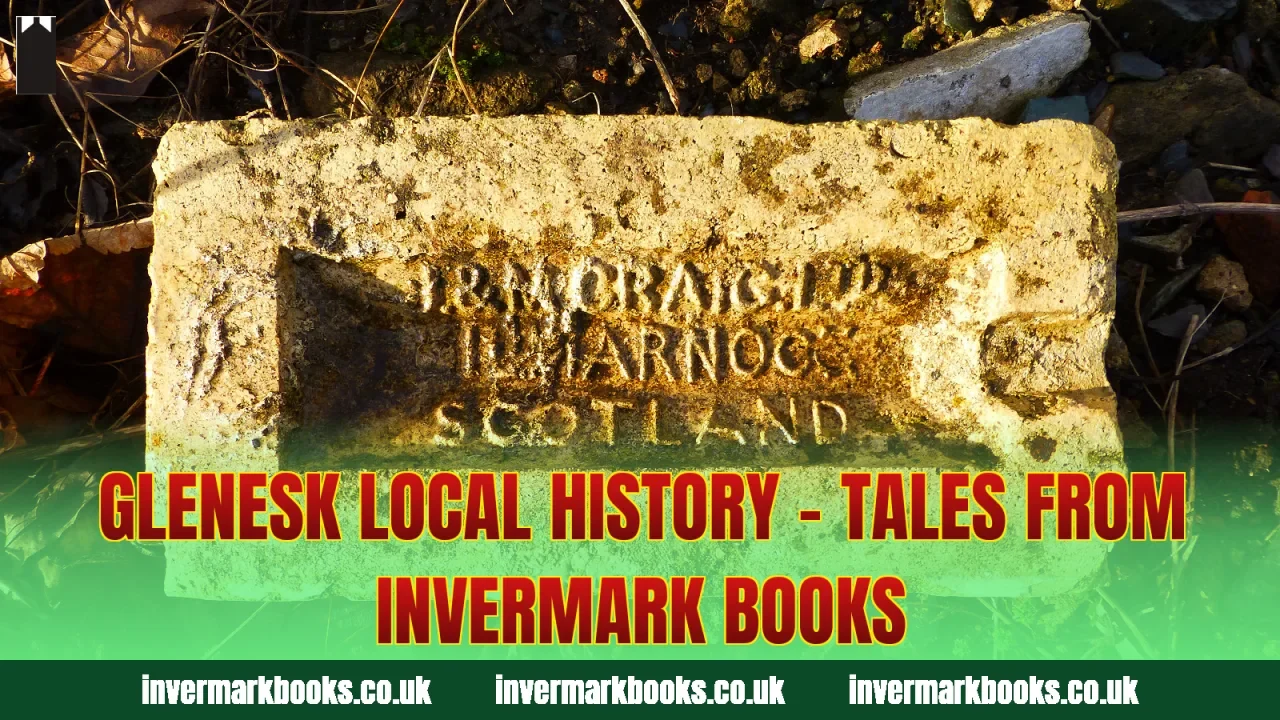
Glenesk local history is one of Scotland’s most quietly compelling regional narratives, rooted in a valley that time has shaped with extraordinary care. The stories preserved through Invermark Books reveal how communities, landscapes, and traditions have evolved across centuries in this remote Angus glen. From ancient Pictish traces to Victorian-era estate records, the depth of documented heritage here is remarkable. This article explores the key themes, publications, and cultural insights that make glenesk local history an essential subject for anyone drawn to authentic Scottish heritage.
Glenesk local history and its highland roots
The valley of Glenesk stretches through Angus into the eastern Cairngorms, forming one of Scotland’s lesser-known but historically rich corridors. Understanding glenesk local history begins with recognising how geography shaped every aspect of life here, from farming practices to clan identity.
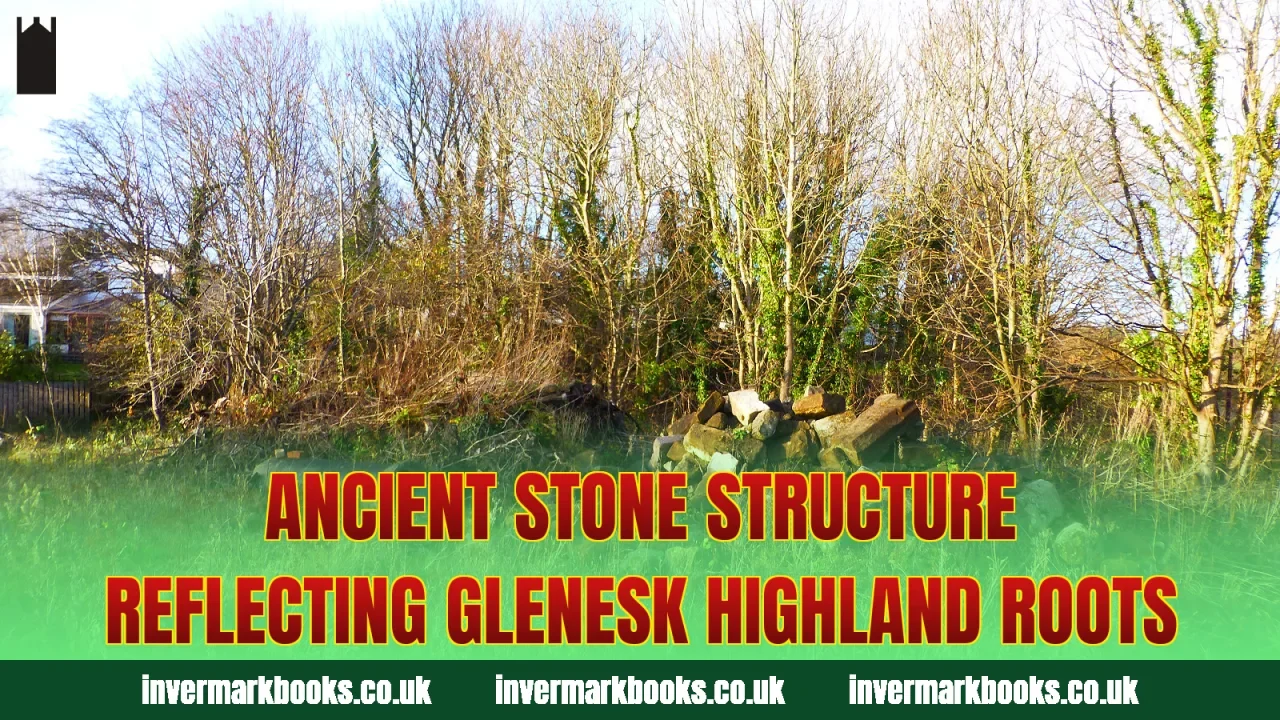
The early settlements of Angus glens
Glenesk local history traces its earliest threads back to Bronze Age and Pictish settlements, where carved stones and burial cairns still mark the hillsides. Archaeological surveys have identified multiple occupation layers, suggesting continuous human presence across thousands of years. The valley’s relative isolation preserved cultural practices that disappeared elsewhere in lowland Scotland far earlier.
Clan culture and the shaping of glen identity
The Lindsay and Dalhousie families played defining roles in shaping the social structure of this glen over several centuries. Their influence on land use, tenancy, and even religious practice created a distinct community identity that glenesk local history documents in careful detail. Estate records, kirk session minutes, and rental books all survive to paint a vivid picture of daily life under the feudal system.
Agricultural transformation in the 18th and 19th centuries
The agricultural improvements of the 1700s and 1800s left a permanent mark on the glen’s landscape and its people. Glenesk local history captures the tension between traditional runrig farming and the enclosure movement that reshaped land ownership across Scotland. Many families who had farmed the same ground for generations were displaced, and their stories form a poignant chapter in the broader highland narrative.
Glenesk local history through Invermark Books publications
Invermark Books has established itself as the primary publisher dedicated to recovering and sharing the heritage of this glen. Their catalogue draws on primary sources, oral tradition, and field research to produce works of genuine historical value.
Tales from Invermark and the oral tradition
The “Tales From Invermark” series sits at the heart of what makes glenesk local history so accessible and human. These publications gather first-hand accounts, local legends, and community memories that would otherwise have been lost to time. The storytelling approach gives readers an emotional connection to the past that academic texts rarely achieve.
Primary sources and archival research methods
Invermark Books distinguishes itself by grounding every publication in verifiable archival material, including estate papers, census records, and church registers. This commitment to source integrity means that glenesk local history is presented not as folklore alone but as documented social history. Readers can trace specific families, farms, and events through generations with confidence in the accuracy of the material.
Photographic records and visual heritage
Alongside written accounts, the visual archive associated with glenesk local history is exceptionally rich for such a small community. Invermark Books has curated collections of photographs spanning the late Victorian period through the mid-twentieth century. These images document everything from harvest scenes and school groups to the interiors of croft houses that no longer stand.
| Publication theme | Time period covered | Primary sources used | Key topics |
|---|---|---|---|
| Early settlement history | Pre-history to 1600s | Archaeological surveys, Pictish records | Cairns, carved stones, clan origins |
| Estate and clan records | 1600s to 1850s | Dalhousie estate papers, rental books | Land tenure, family lineages, feudal life |
| Agricultural transformation | 1750s to 1900s | Enclosure records, census data | Runrig farming, clearance, improvement |
| Community and oral tradition | 1800s to 1950s | Oral interviews, kirk session records | Local customs, festivals, folk memory |
| Photographic and visual archive | 1870s to 1960s | Private collections, museum holdings | Daily life, architecture, landscape change |
Cultural heritage themes in the glen’s story
Beyond politics and land ownership, the cultural life of Glenesk carries its own distinctive character. Music, faith, language, and seasonal customs all contributed to a community identity that glenesk local history preserves with admirable depth.
Scots Gaelic and the language of the glen
Although Glenesk sits within the Scots-speaking eastern Highlands, traces of Gaelic place names and vocabulary reveal an older linguistic layer beneath the modern tongue. Glenesk local history explores how language shifted over centuries as Gaelic retreated westward and Scots dialects took firmer hold. Place names like Invermark itself carry etymological clues that connect the valley to a much older cultural geography.
Religious life and the parish church records
The parish church of Lochlee served as the spiritual and administrative centre of the glen for centuries, and its records are among the most complete in the region. Births, marriages, deaths, and disciplinary proceedings were all logged with remarkable consistency, giving glenesk local history a documentary backbone that many comparable communities lack. These registers have allowed researchers to reconstruct family trees and community dynamics across ten or more generations.
Seasonal customs and highland folk memory
The annual rhythms of glen life, including cattle droving, peat cutting, and harvest celebrations, created a shared cultural calendar that bound communities together across generations. Glenesk local history documents these customs through both written accounts and the oral testimonies gathered by local historians over the past century. Many of these traditions have parallels across the Highlands but carry distinctly local variations that reflect the valley’s particular geography and social history.
Why this heritage matters for modern readers
Interest in regional Scottish history has grown considerably in recent decades, driven by genealogy research, heritage tourism, and a broader cultural desire to reconnect with place. Glenesk local history offers something rare: a community whose past is documented in depth but has not been over-commercialised or simplified for mass consumption.
Genealogy research and family connections
Thousands of people with ancestral roots in Angus and the eastern Highlands find that glenesk local history provides context their family trees alone cannot supply. Understanding the economic and social conditions that shaped a great-great-grandparent’s decisions requires exactly the kind of detailed local knowledge that Invermark Books provides. The combination of estate records, census data, and oral history creates a research resource of genuine depth.
Heritage tourism and the living landscape
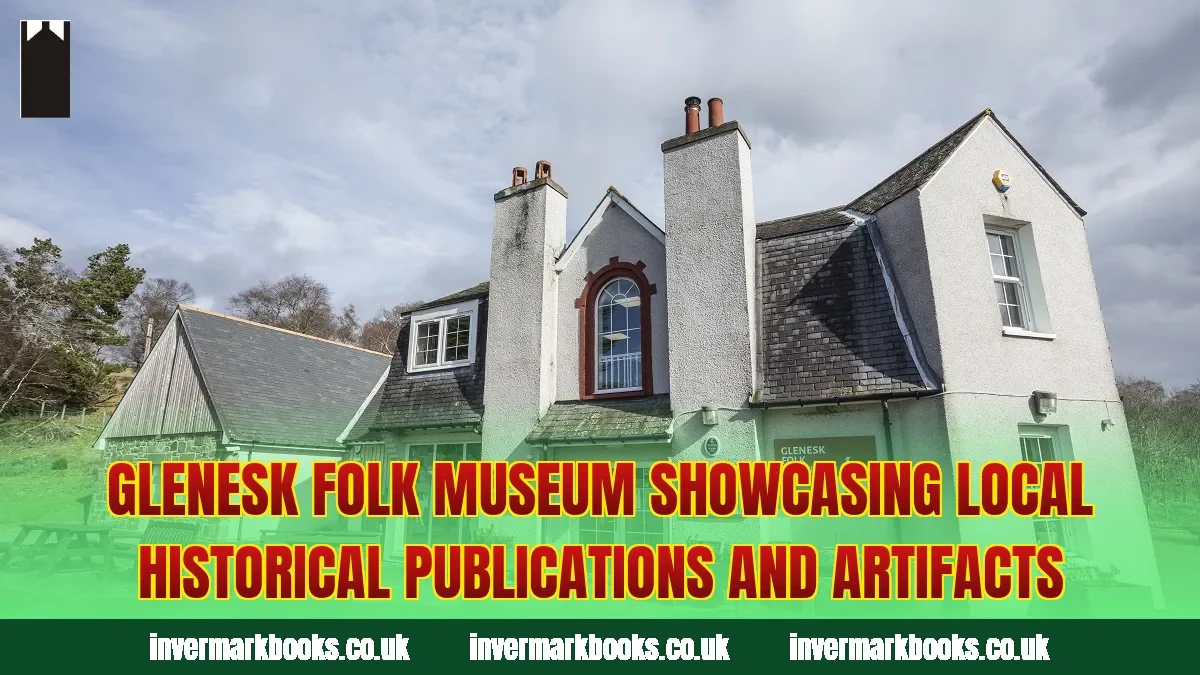
Visitors to Glenesk today walk through a landscape that still carries visible traces of its long human story, from ruined shielings on the hillsides to the restored Glenesk Folk Museum at Tarfside. Glenesk local history enriches every visit by providing the interpretive layer that transforms a beautiful glen into a place of layered meaning. Invermark Books publications serve as ideal companions for anyone exploring the area on foot or by road.
Academic value and regional historiography
For historians and geographers working on Scottish rural society, glenesk local history represents a case study of unusual completeness. The survival of estate papers, parish records, and photographic collections in a single valley allows for a kind of longitudinal analysis that broader national studies cannot replicate. Invermark Books has made this material accessible without sacrificing scholarly rigour, which is a genuinely rare achievement in regional publishing.
Conclusion
Glenesk local history stands as a testament to what dedicated community scholarship can achieve when primary sources, oral tradition, and careful research come together. The work of Invermark Books has ensured that the stories of this Angus glen reach readers who might never have discovered them through mainstream channels. Whether you are tracing family roots, planning a visit, or simply drawn to authentic Scottish heritage, exploring this collection is an investment in understanding Scotland’s rural past at its most honest and human.
See more: Discover glenesk – Hidden Scottish Highlands gem