
Discover Glenesk — one of Scotland’s most quietly captivating valleys — is a journey that rewards those willing to venture beyond the well-worn Highland trails. Tucked within the Angus glens, this remote yet richly layered landscape holds centuries of history, breathtaking scenery, and a cultural depth that few visitors expect. Whether you’re drawn by ancient Pictish heritage, dramatic moorland vistas, or the simple stillness of a glen untouched by mass tourism, discover glenesk and let it reshape how you see the Scottish Highlands entirely.
Discover glenesk: Scotland’s most overlooked highland valley
Glenesk stretches roughly 20 miles inland from Edzell in Angus, threading northward through moorland, forest, and open hillside toward the remote Loch Lee. It is the longest and most easterly of the Angus Glens, and yet it remains far less visited than Glencoe or the more celebrated routes of the northwest Highlands.
The geography that defines this hidden glen
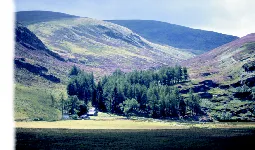
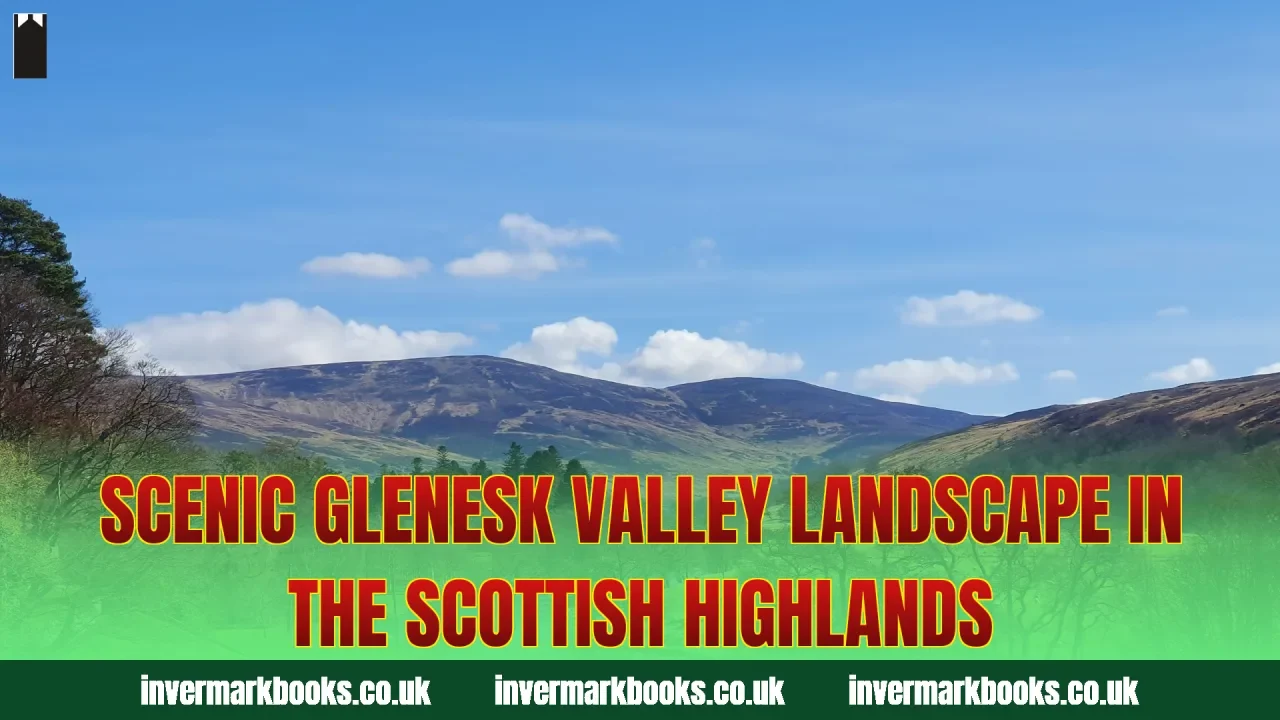
When you discover glenesk for the first time, the landscape itself does most of the talking. The River North Esk carves a winding path through the valley floor, flanked by heather-covered slopes that shift color with every season. The glen rises gradually from fertile farmland near Edzell to the wild, open terrain surrounding Loch Lee, creating a landscape that feels both intimate and expansive at once.
Why Angus glens attract serious walkers
Glenesk sits within a broader network of Angus Glens that include Glen Clova, Glen Prosen, and Glen Isla, each offering its own distinct character. Serious walkers are drawn here not just for the physical challenge but for the quality of solitude — trails here rarely feel crowded, even in peak summer months. The Mounth roads, ancient drove routes crossing the high ground above the glen, add a powerful sense of historical continuity to any walking route.
Seasonal changes and their visual impact
Few places in eastern Scotland shift as dramatically across the seasons as this valley does. In late summer, the hillsides glow with purple heather, while autumn brings golden bracken and low mist that settles between the ridges in the early morning. Those who discover glenesk in winter find a starkly beautiful landscape, stripped back to bare rock and pale grass, with the kind of silence that feels genuinely rare in modern life.
Discover glenesk through its rich cultural heritage
Beyond the scenery, Glenesk carries a cultural and historical weight that sets it apart from many other Scottish glens. The valley has been inhabited for thousands of years, and the evidence of that long human presence is woven into almost every corner of the landscape.
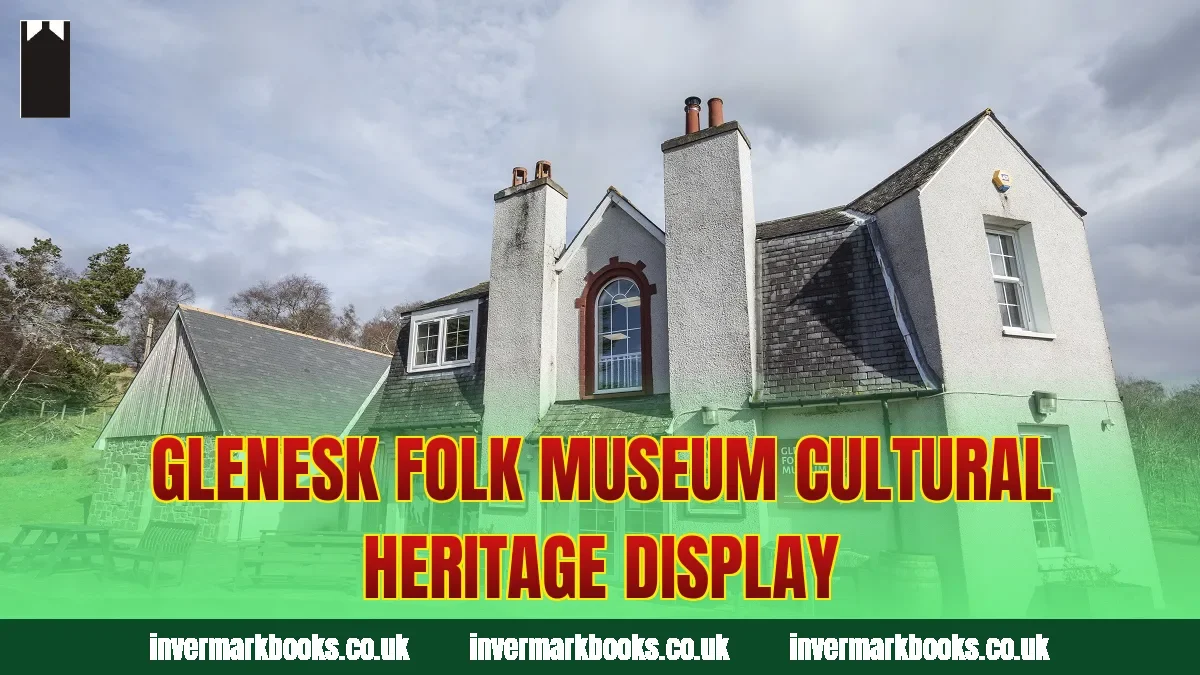
The Glenesk Folk Museum and its significance
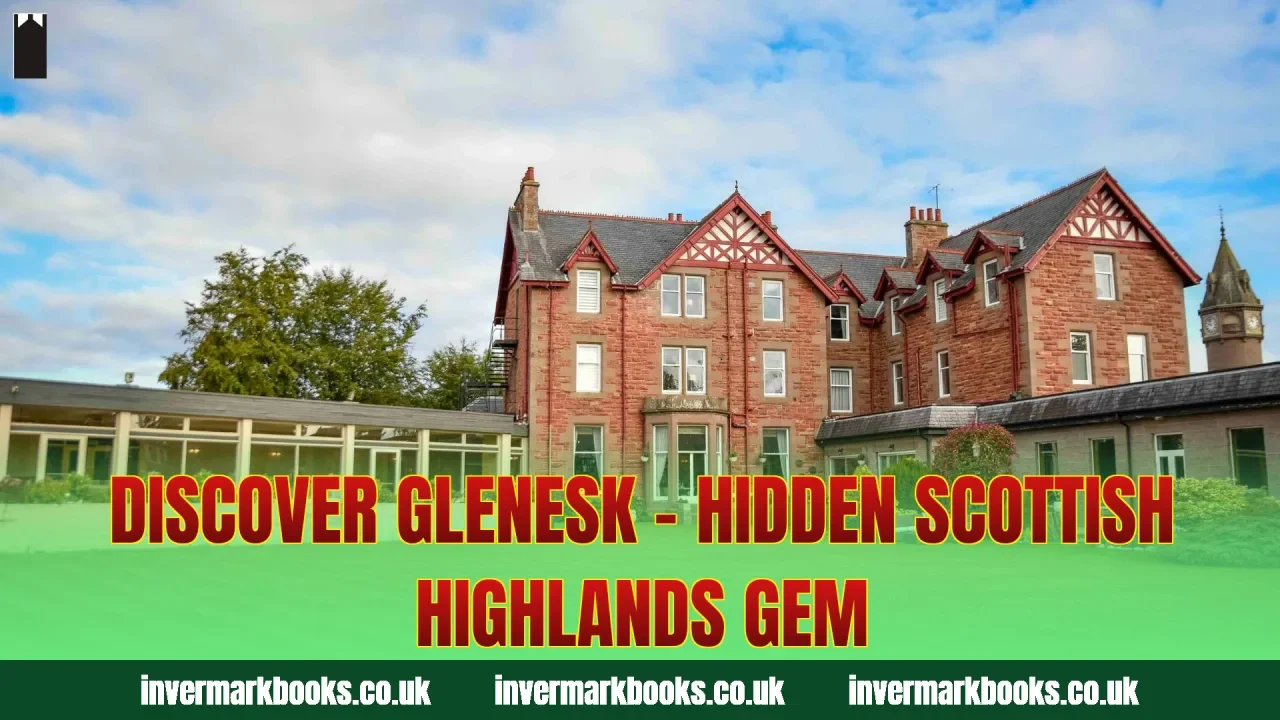
To truly discover glenesk in its cultural dimension, a visit to the Glenesk Folk Museum is essential. Housed in a converted shooting lodge known as The Retreat, the museum preserves an extraordinary collection of local artifacts, photographs, and documents spanning several centuries of glen life. It stands as one of the finest rural museums in Scotland, offering a window into the daily lives of farming families, gamekeepers, and craftspeople who shaped the valley’s identity over generations.
Pictish stones and early medieval history
The Angus region is renowned for its Pictish carved stones, and Glenesk is no exception to this remarkable legacy. Several carved stones and early medieval sites have been recorded within and around the glen, pointing to a settled and culturally sophisticated population long before the medieval period. For anyone with an interest in early Scottish history, these remnants offer a compelling reason to explore the valley in depth.
Estate life and the Victorian sporting tradition
Like many Highland glens, Glenesk was shaped profoundly by the Victorian era’s enthusiasm for deer stalking and grouse shooting. The construction of lodges, estate roads, and managed moorland during the nineteenth century left a lasting imprint on the landscape that visitors still see today. Understanding this layer of history helps to explain much of the glen’s current character, from its land management patterns to the architecture of its scattered buildings.
| Feature | Details |
|---|---|
| Location | Angus, eastern Scotland, starting near Edzell |
| Length | Approximately 20 miles from Edzell to Loch Lee |
| Key landmark | Glenesk Folk Museum (The Retreat) |
| River | River North Esk |
| Notable route | The Mounth drove roads over high moorland |
| Best season | Late summer for heather; autumn for colour |
| Nearest town | Edzell, Angus |
Practical ways to explore the glen fully
Planning a visit to discover Glenesk requires a little more preparation than heading to a more tourist-facing destination, but that effort is richly rewarded. The glen is accessible by car via the B966 road from Edzell, and the single-track road running the length of the valley is manageable for most drivers.
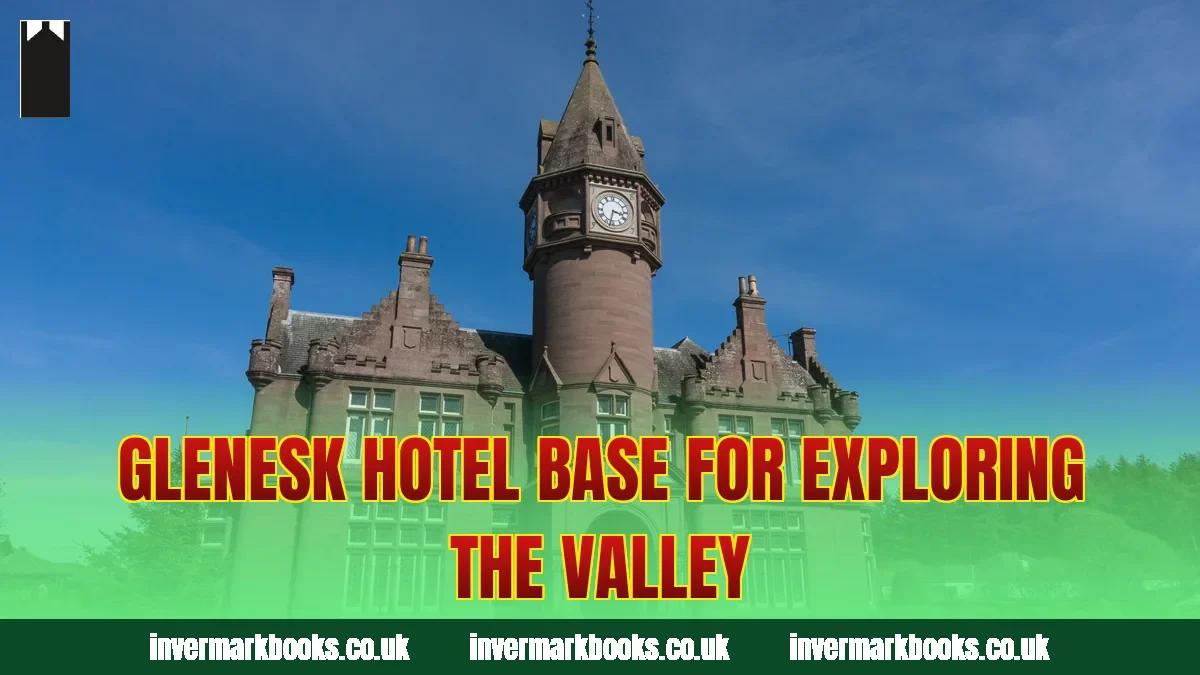
Walking routes suited to every level
When visitors discover glenesk on foot, they quickly realize the variety of routes available across different fitness levels. Gentle riverside walks along the North Esk are suitable for families and casual walkers, while the high Mounth crossings demand navigation skills and proper hill walking equipment. The route from Invermark to Loch Muick via the Capel Mounth is particularly celebrated among experienced hill walkers for its dramatic scenery and sense of genuine remoteness.
Loch Lee and the ruined castle nearby
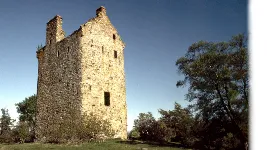
At the head of the glen lies Loch Lee, a small and strikingly beautiful loch surrounded by high moorland and backed by rolling hills. Beside the loch stand the ruins of Invermark Castle, a sixteenth-century tower house that once guarded the northern approaches to the glen. Those who discover glenesk by walking to this remote spot find a combination of natural beauty and historical atmosphere that is genuinely difficult to match elsewhere in Angus.
Local accommodation and responsible tourism
Staying within or close to the glen allows visitors to experience the rhythm of the landscape across morning and evening light, which transforms the valley entirely. Small-scale accommodation options near Edzell provide a comfortable base, while self-catering cottages within the glen itself offer a more immersive experience. Practicing responsible tourism here — staying on paths, respecting estate land, and supporting local businesses — ensures that this quiet corner of Scotland remains as rewarding for future visitors as it is today.
Conclusion
Discover glenesk and you will find a Scottish glen that offers far more than scenery alone — it delivers history, solitude, and a genuine connection to the landscape that is increasingly rare. From the Pictish stones to the folk museum, from the riverside paths to the high Mounth roads, every element of this valley tells a story worth hearing. For deeper reading on the glen’s heritage and hidden landmarks, explore the resources available through Invermark Books and take your understanding of Glenesk far beyond the surface.
Read more: Glenesk Historical Landmarks — Unveiling Angus Secrets