
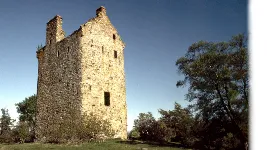
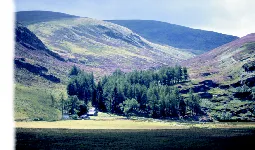

The glen lethnot history stretches back thousands of years, weaving together Pictish settlements, medieval farming life, and the quiet resilience of a remote Angus community. Tucked between the Grampian foothills and the broader landscape of the Angus Glens, Glen Lethnot remains one of Scotland’s lesser-known yet deeply layered valleys. From standing stones to ruined townships, every hillside here carries traces of those who worked and worshipped across centuries. For anyone drawn to Scottish heritage and rural history, understanding this glen opens a window into Highland life that few tourist trails ever reveal.
Glen Lethnot History: The Ancient Origins Of A Highland Valley
The earliest evidence of human activity in this valley predates written records by millennia. Archaeological surveys have identified clearance cairns, field systems, and earthworks across the glen’s slopes, pointing to organised agricultural communities long before the medieval period. The glen lethnot history begins in earnest during the Bronze Age, when upland farming was far more widespread across Scotland’s interior than it is today. Climate conditions at the time supported cultivation at higher elevations, and communities thrived across landscapes now considered too exposed for sustained settlement.

Pictish Presence And Early Medieval Occupation
The Picts left their mark across the broader Angus region, and Glen Lethnot was no exception. Symbol stones and carved markers found near associated parishes suggest that this valley sat within a wider Pictish cultural zone. Early medieval land use in the glen followed patterns common to northeast Scotland, with clustered farmsteads known as fermtouns occupying the more sheltered lower slopes. The glen lethnot history during this period reflects a community deeply tied to pastoral farming, seasonal movement of livestock, and a landscape managed with careful inherited knowledge passed between generations.
The Role Of Early Christian Influence The Glen
Christianity arrived in this part of Angus through a network of monastic missionaries travelling inland from coastal settlements. Dedications to early saints and the positioning of later parish kirks often followed the sites of earlier sacred enclosures. Within the glen lethnot history, the parish church at Lethnot stands as a surviving marker of this long continuity between pre-Christian ritual landscape and organised Christian worship. The physical placement of these sacred sites was rarely arbitrary. They reflected accumulated memory, community gathering points, and a persistent relationship between people and particular pieces of ground.
Hillforts And Defensive Landscapes Of The Bronze And Iron Age
Several hilltop positions within and around the glen show evidence of defensive enclosures typical of Iron Age Scotland. These structures, built using timber lacing and stone, served both as places of refuge and symbols of territorial authority. Understanding glen lethnot history through this defensive lens helps explain the strategic importance of the valley as a corridor between lowland Angus and the deeper Highland interior. Control of such passes had real meaning for communities whose security depended on managing movement across the land.
Medieval Land Use And The Feudal Shaping Of Glen Lethnot
By the twelfth and thirteenth centuries, the Scottish feudal system had reorganised much of rural Angus around baronies, thanages, and church landholdings. Glen Lethnot fell within a network of estates whose ownership shifted across centuries of marriage, inheritance, and occasional conflict. The glen lethnot history during the medieval period is inseparable from the broader story of Angus lordship, where powerful families competed for control of fertile valleys and productive upland grazing. Estate records, where they survive, reveal a landscape divided into multiple holdings each supporting small clusters of tenant farmers.

Fermtouns And The Organisation Of Rural Settlement
The fermtoun was the basic social and economic unit of medieval Scottish rural life. In Glen Lethnot, as across the Angus Glens, these clusters of shared farmsteads operated under a system of runrig cultivation, where strips of arable land were rotated among tenants to distribute both the fertile and less productive ground fairly. The glen lethnot history of this era shows communities that were largely self-sufficient, growing oats and bere barley, keeping cattle on the hill grazings, and maintaining complex social hierarchies beneath the visible layer of feudal landholding. Survivng earthworks on lower valley terraces preserve the outlines of these now-vanished settlements.
The Parish Of Lethnot And Its Historical Records
The parish of Lethnot and Navar provides one of the most direct documentary windows into life in this valley. Kirk session records, testaments, and later statistical accounts capture names, disputes, harvests, and hardships across several centuries. These sources are invaluable for anyone researching glen lethnot history in depth, offering not just institutional records but glimpses of individual lives. Births, deaths, and marriages recorded in the parish registers connect specific families to particular pieces of land, tracing lineages that sometimes stretch from the seventeenth century to the present day.
Estate Management And The Transformation Of Landholding
From the sixteenth century onward, patterns of landholding in the glen became increasingly consolidated. Larger estates absorbed smaller holdings, and the relationship between landlord and tenant shifted from communal obligation toward more commercial lease arrangements. The glen lethnot history of this transitional period reflects changes playing out across highland and upland Scotland as a whole. Improving landlords introduced new farming methods, enclosed common grazings, and in some cases replaced arable township communities with larger sheep farms, a transformation whose physical and social consequences are still legible in the landscape today.
The Clearance Era And Its Legacy In Glen Lethnot History
The eighteenth and nineteenth centuries brought profound disruption to Highland and upland communities across Scotland. While the most dramatic clearances occurred in the far north and west, glens throughout Angus experienced their own quieter versions of depopulation as economic priorities shifted and estate management changed. The glen lethnot history of this period is marked by the decline of traditional fermtoun communities, the consolidation of grazings into larger sheep farms, and a steady drift of population toward the lowland towns and cities of industrial Scotland. What remained was a dramatically emptied landscape whose ruins spoke silently of an earlier density of habitation.

Ruined Townships And The Reading Of Abandoned Landscapes
Walking the glen today, a trained eye can identify the ghost outlines of abandoned settlements across the hillsides. Roofless stone walls, lazy-bed cultivation ridges, and the slight earthwork terraces of former kailyard gardens mark the positions of farmsteads that housed real families for generations. The glen lethnot history embedded in these physical remains requires careful fieldwork and cross-referencing with historical maps and estate records to interpret fully. The First Edition Ordnance Survey maps of the mid nineteenth century are particularly valuable, preserving names and settlement forms that had disappeared or were disappearing even as the surveyors recorded them.
Oral Tradition And Community Memory In The Glen
Alongside the documentary and archaeological record, oral tradition plays an important role in transmitting glen lethnot history across generations. Local families, shepherds, and estate workers carried knowledge of place names, legends, and remembered histories that rarely entered written records. Collectors of Scottish folklore in the nineteenth and early twentieth centuries occasionally passed through Angus Glens communities, capturing fragments of this living tradition. These accounts, when placed alongside formal historical sources, add a human texture to what might otherwise remain an abstract landscape of dates and landholding transactions.
The Built Heritage That Survives Into 2026
As of 2026, several elements of the glen’s built heritage remain accessible to visitors and researchers. The parish church, certain estate structures, and the broader designed landscape of the valley retain their historical character despite the passage of time and the pressures of agricultural change. The glen lethnot history preserved in these surviving structures represents only a fraction of what once existed, but it provides a tangible connection to the communities whose lives shaped this valley over millennia. Responsible heritage tourism, guided by well-researched local publications, remains one of the best ways to engage seriously with what survives.
| Period | Key Feature | Historical Significance |
|---|---|---|
| Bronze Age | Clearance cairns, field systems | Evidence of early upland farming communities |
| Pictish / Early Medieval | Symbol stones, fermtouns | Integration into broader Angus cultural zone |
| Medieval | Parish of Lethnot and Navar | Documented community life and estate records |
| 18th–19th Century | Clearance and consolidation | Depopulation and landscape transformation |
| Present (2026) | Surviving church and estate features | Heritage tourism and ongoing historical research |
Conclusion
The glen lethnot history is far richer and more layered than the valley’s quiet present-day appearance suggests. From Bronze Age farmers to Pictish communities, from medieval fermtouns to the emptied hillsides of the clearance era, this small Angus glen carries within it a compressed version of Scotland’s broader rural story. For those who wish to explore this history in depth, Invermark Books offers carefully researched publications that bring the landscape, its people, and its long past into genuine focus. Whether you are a local resident, a family historian, or a visitor drawn to Scotland’s quieter heritage trails, the glen rewards close attention.
Xem thêm: Angus glens historical sites