
Angus glens historical sites offer a fascinating journey through centuries of Scottish history, culture, and Highland traditions. The valleys of Angus are home to remarkable castles, ancient settlements, religious landmarks, and archaeological treasures that reveal the story of the region’s past. Resources from invermarkbooks and other heritage-focused publications continue to highlight the importance of preserving these locations for future generations.
Introduction To Angus Glens Historical Sites
The Angus Glens contain some of the most significant historical locations in eastern Scotland. These sites reflect the lives, struggles, and achievements of generations who lived in the Highlands.
Historical Importance Of The Angus Glens
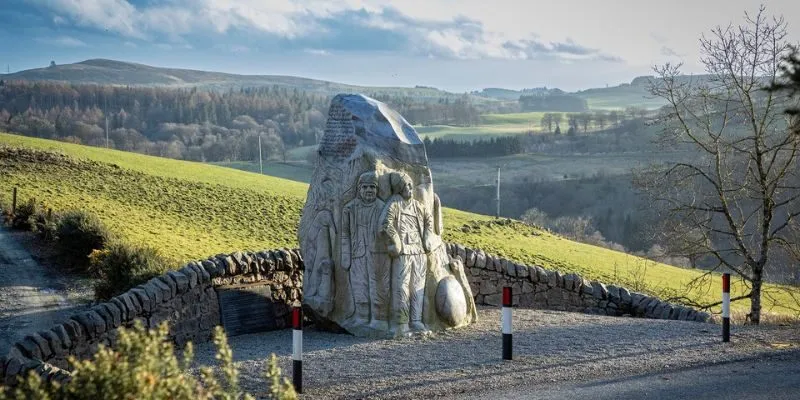
The angus glens historical sites found throughout the region provide valuable evidence of human activity dating back centuries. Communities settled in these valleys because of access to water, fertile land, and natural resources. Today, historians continue to study these locations to better understand Scotland’s development.
Connection Between Landscape And History
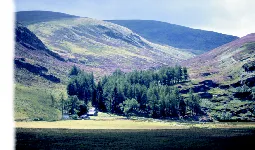
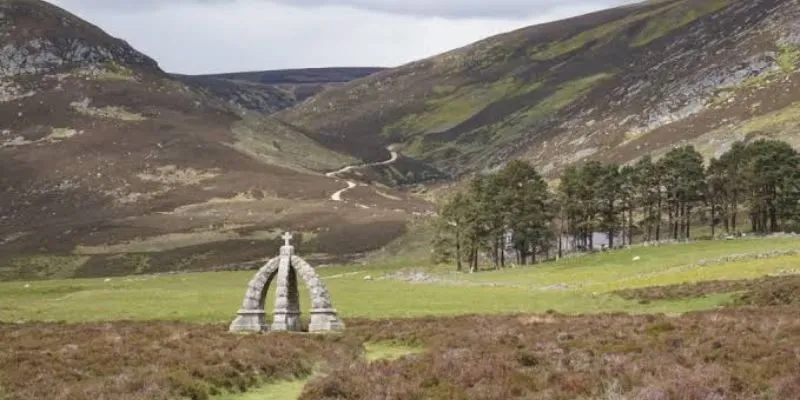
The geography of the Angus Glens influenced settlement patterns and transportation routes. Valleys, rivers, and mountain passes shaped how people lived and interacted with neighboring communities. Many historical landmarks remain closely tied to these natural features.
Why Visitors Explore The Region
Travelers visit the area to experience both history and scenic beauty. Historic landmarks are often surrounded by breathtaking landscapes. This combination makes the glens a popular destination for heritage tourism.
Historic Castles In The Angus Glens

Castles remain among the most recognizable historical landmarks in the region. They reflect the power, influence, and conflicts that shaped Scotland’s past.
Invermark Castle
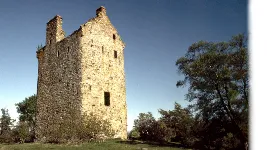
One of the best-known angus glens historical sites is Invermark Castle in Glen Esk. The tower house dates back to the sixteenth century and was associated with the Lindsay family. Although now a ruin, it remains an important symbol of local heritage.
Forter Castle
Forter Castle stands near Glen Isla and represents one of Scotland’s most impressive restored castles. The structure originally served defensive and residential purposes. Today, it offers insight into life during the medieval and early modern periods.
Airlie Castle And Its Legacy
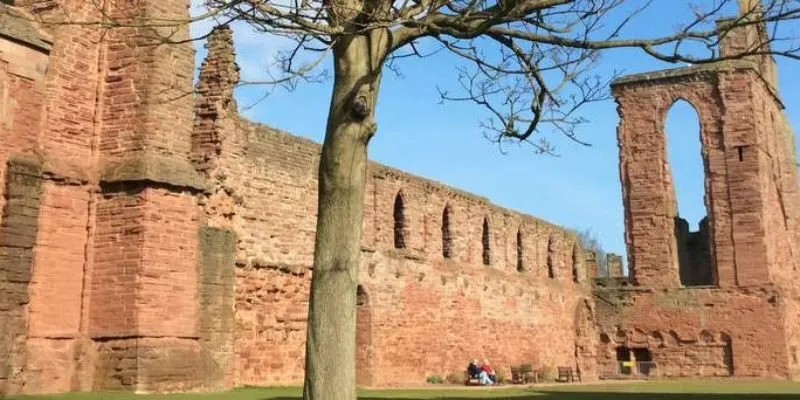
Although only ruins remain, Airlie Castle played a significant role in regional history. The castle was involved in political conflicts and clan rivalries. Its story continues to attract historians and visitors interested in Scotland’s turbulent past.
Ancient Settlements And Early Communities
The Angus Glens contain evidence of settlements that predate many of the region’s castles and churches. These sites reveal how early communities adapted to Highland life.
Prehistoric Habitation Sites
Archaeological discoveries show that people occupied the glens thousands of years ago. Stone tools, burial remains, and settlement traces provide evidence of early human activity. These findings contribute greatly to the understanding of Scottish prehistory.
Farming Communities Through The Centuries
Many angus glens historical sites are connected to agricultural traditions. Farming families established communities that survived for generations despite challenging environmental conditions. Their influence can still be seen in the landscape today.
Abandoned Highland Settlements
Some settlements were eventually abandoned due to economic changes and population movements. Their remains offer valuable clues about past ways of life. Visitors can often identify foundations and structures that have survived over time.
Religious and Ecclesiastical Heritage

Religion has played a central role in shaping communities throughout the Angus Glens. Churches and sacred sites remain important historical landmarks.
Early Christian Influence
Christianity reached the region many centuries ago and influenced local culture significantly. Religious leaders helped establish communities and educational traditions. Their legacy remains visible throughout the glens.
Historic Churches And Chapels
Several churches are recognized among the notable angus glens historical sites. These buildings reflect changing architectural styles and religious practices. Many continue to serve local communities while preserving historical significance.
Burial Grounds And Memorials
Historic graveyards contain monuments that provide insight into local families and community history. Inscriptions often reveal details about social conditions and notable individuals. These sites are valuable resources for genealogical research.
Pictish Heritage And Archaeological Discoveries
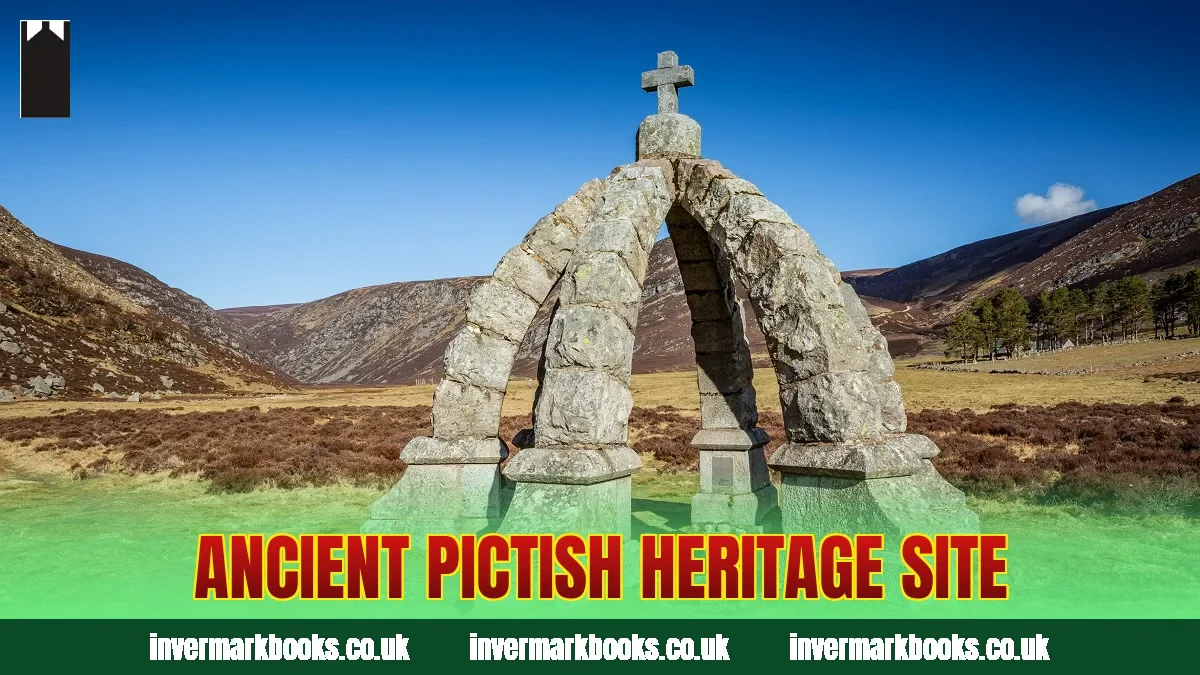
The Picts were among the earliest known peoples to inhabit eastern Scotland. Their influence remains evident through archaeological discoveries.
Pictish Stones And Carvings
The angus glens historical sites associated with Pictish culture include carved stones featuring distinctive symbols. These artifacts continue to fascinate researchers. Their meanings remain the subject of ongoing study and interpretation.
Archaeological Excavations
Excavations throughout the region have uncovered evidence of ancient settlements and ceremonial locations. Researchers use these discoveries to reconstruct historical timelines. Each new finding contributes to a deeper understanding of the area.
Understanding Early Scottish Societies
Archaeological evidence helps explain how early communities organized themselves. Social structures, trade networks, and cultural practices can often be identified through material remains. These insights enrich knowledge of Scotland’s early history.
Clan History and Highland Traditions
Clan culture played an important role in shaping the social and political landscape of the Highlands. The Angus Glens preserve many connections to this heritage.
Influential Families Of The Region
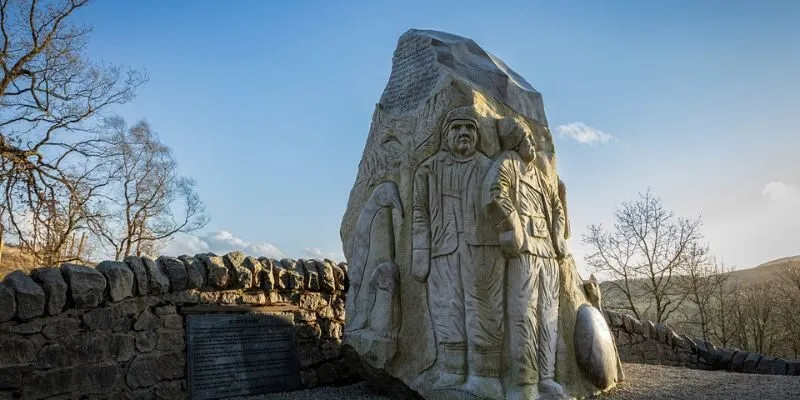
Several prominent families controlled land and resources throughout the glens. Their influence affected local governance and economic development. Many historical records document their activities and achievements.
Clan Rivalries And Alliances
Many angus glens historical sites are connected to periods of conflict between rival clans. Alliances and disputes shaped the region for centuries. These stories remain a significant part of local folklore.
Preserving Clan Heritage Today
Modern organizations and heritage groups work to preserve clan-related landmarks and traditions. Educational programs help share this history with visitors. Preservation efforts ensure that important cultural stories are not forgotten.
Historic Routes And Transportation Networks
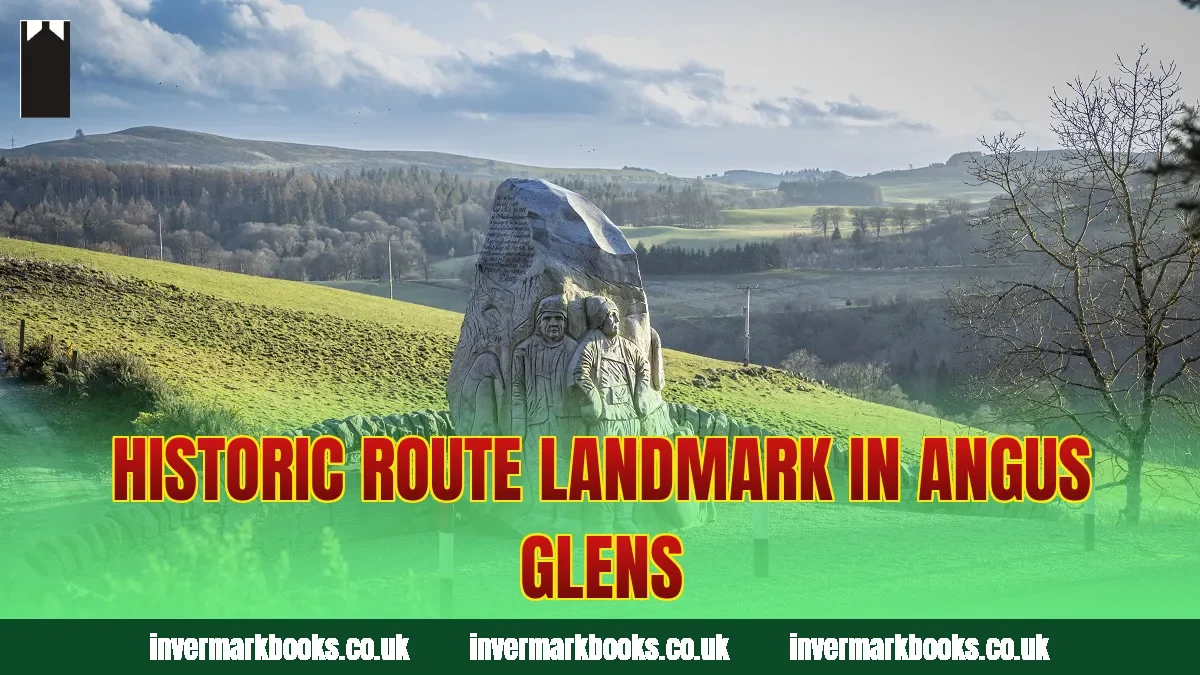
Travel and communication were essential for communities living in the glens. Historical routes connected remote settlements with wider regions.
Ancient Pathways Through The Highlands
The angus glens historical sites associated with old routes reveal how people traveled before modern infrastructure existed. Footpaths and drove roads connected communities across challenging terrain. Many of these routes are still visible today.
Trade And Economic Connections
Transportation networks supported trade between Highland and Lowland communities. Goods such as livestock, wool, and agricultural products moved through the glens. Economic activity helped sustain local populations.
Modern Access To Historic Trails
Many historical routes are now popular walking paths. Visitors can follow trails that have been used for centuries. These experiences offer a unique connection to the past.
>>> Read More: Five Glens Of Angus Guide To Scotland’s Scenic Valleys
Conclusion
The angus glens historical sites found throughout eastern Scotland provide an extraordinary window into the nation’s past. From medieval castles and ancient settlements to churches, archaeological discoveries, and clan landmarks, these locations reveal the rich cultural heritage of the Highlands. Their preservation allows visitors and researchers to better understand the people, traditions, and events that shaped the region.