
Scottish castle architecture stands as a profound testament to the artistic ingenuity, tactical brilliance, and structural endurance of northern builders throughout centuries of intense political unrest. Invermark books proudly presents this detailed look into the historic design trends that transformed rugged strongholds into iconic historical masterpieces across the country.
Scottish castle architecture and its medieval defensive foundations
The earliest manifestations of this regional building style emerged directly from a turbulent societal landscape where physical security was paramount.
The strategic utility of early motte and bailey structures
Scottish castle architecture initially utilized basic earthworks and heavy timber palisades to establish quick territorial dominance over newly conquered frontier regions. These strategic defensive mounds provided the early garrison with an elevated vantage point to spot approaching enemy infantries from a safe distance. Over time, these temporary wooden fortifications proved highly vulnerable to fire attacks and were systematically replaced with permanent, multi-layered stone structures.
The emergence of massive stone keep towers
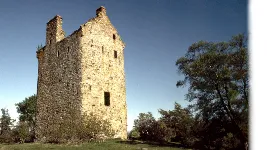
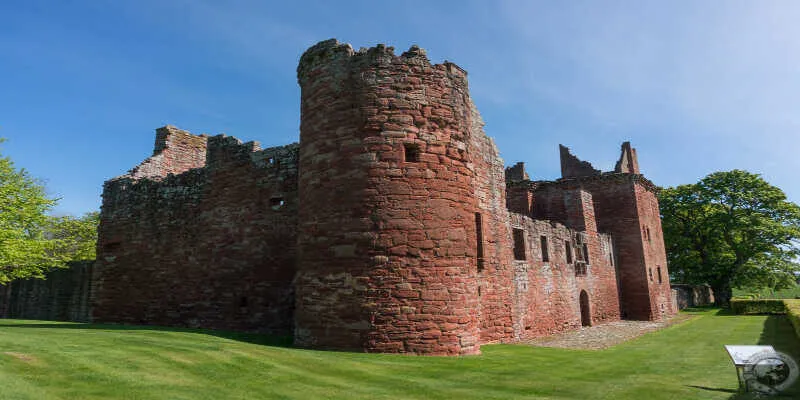
The transition to heavy masonry construction marked a significant technological leap forward for regional aristocratic families seeking permanent protection against rival clans. Scottish castle architecture during this formative era focused heavily on building exceptionally thick granite walls that could easily withstand sustained physical battering rams. These vertical strongholds featured narrow windows, secure lower storage vaults, and elevated entrance points to ensure maximum security.
The tactical layout of defensive curtain walls
The development of extensive perimeter walls around the central tower provided an essential secondary layer of physical security for the inhabitants. Scottish castle architecture integrated projecting corner towers along these stone curtains to allow archers to eliminate blind spots near the main gates. This complex defensive configuration created a secure internal courtyard where workshops, stables, and deep water wells could be safely maintained.
The functional evolution into vertical tower house designs
As territorial conflicts became more localized and expensive, the aristocracy required more cost-effective yet highly secure residential options.
The space-saving efficiency of vertical layouts
The classic tower house design allowed minor noble families to secure their vast estates without incurring the massive costs of building royal fortresses. Scottish castle architecture adapted brilliantly by stacking essential living spaces vertically, placing the secure storage rooms below the grand reception halls. This smart engineering method ensured that a relatively small garrison could successfully defend the entire domestic homestead against sudden midnight raids.
The introduction of L-shaped structural modifications
The basic rectangular tower plan eventually evolved into more complex geometric layouts to provide improved living space and better defensive capabilities. Scottish castle architecture embraced the clever L-shaped design, which featured a small projecting wing built at a right angle to the main building. This innovative structural layout created a highly strategic defensive pocket that allowed guards to protect the main entrance doorway from above.
The integration of heavy iron yetts
The primary doorways of these compact fortresses required specialized physical barriers to prevent attackers from using heavy battering rams during a siege. Scottish castle architecture frequently utilized unique interlocking iron grilles that were securely mounted directly into the solid stone framework behind outer wooden doors. These heavy grates offered incredible resistance against fire and forced entry, effectively saving the internal occupants during critical historical conflicts.
The renaissance transformation of traditional Scottish castle architecture
The arrival of continental artistic movements during the sixteenth century brought a profound shift in the design priorities of wealthy Scottish monarchs.
The development of decorative corbelled turrets
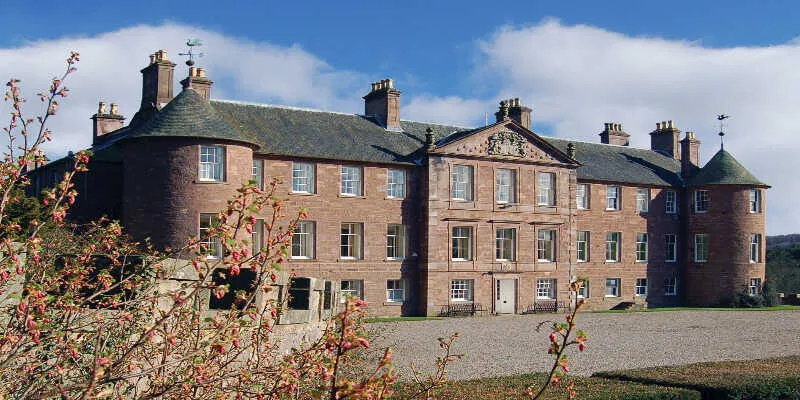
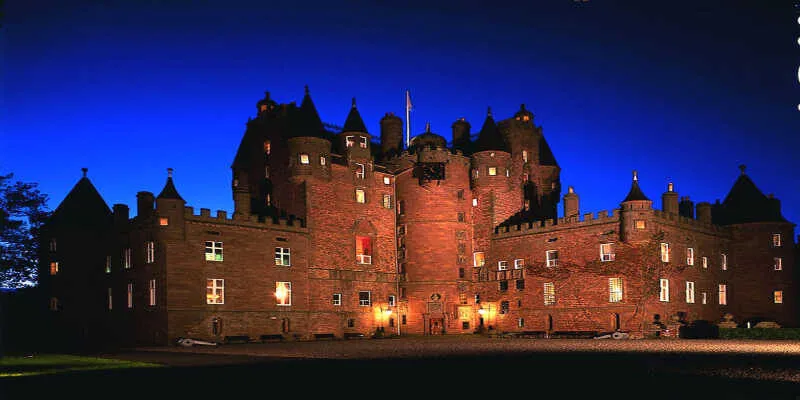
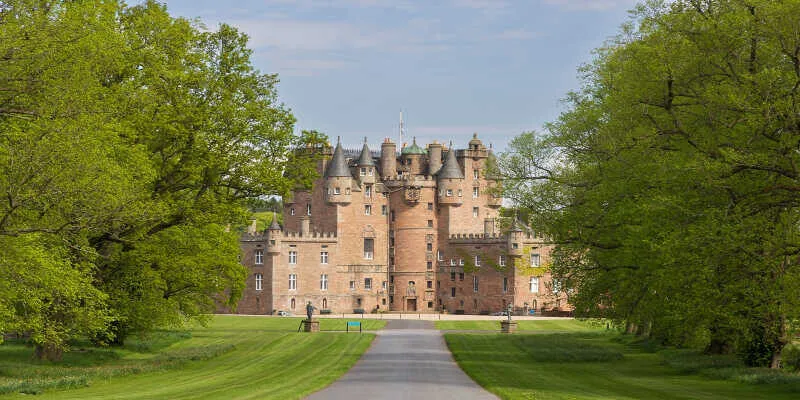
The traditional defensive watchtowers that once sat strictly on the corners of fortresses were elegantly transformed into beautiful decorative features. Scottish castle architecture began incorporating highly ornamental overhanging turrets that projected gracefully from the upper corners of the main residential stone structures. These beautiful French-inspired features added a highly dramatic silhouette to the rooflines while still providing useful small dressing rooms inside.
The inclusion of large decorative windows
The old narrow arrow slits that characterized medieval strongholds were systematically widened to let natural sunlight illuminate the dark interior chambers. Scottish castle architecture adapted to this peaceful era by installing large glass windows decorated with beautiful Renaissance stone carvings and family heraldry. This major structural alteration drastically reduced the defensive capabilities of the walls but significantly improved the everyday comfort of the residents.
The execution of elaborate painted ceilings
The interior spaces of these transformed palaces were decorated with magnificent timber ceilings that featured incredibly vibrant tempera paintings. Scottish castle architecture showcased the immense wealth of the owners through these detailed artistic displays, which frequently depicted complex biblical allegories and classical myths. These beautifully decorated halls served as impressive backdrops for hosting grand royal banquets, political assemblies, and sophisticated cultural gatherings.
The modern preservation and legacy of the historic monuments
Today these spectacular historical properties stand as proud cultural landmarks that attract hundreds of thousands of international heritage travelers every year.
The implementation of advanced conservation techniques
The preservation of historic masonry requires specialized non-destructive methods to prevent the ancient stones from dissolving due to modern air pollution. Scottish castle architecture is carefully protected by teams of expert conservators who utilize traditional lime mortars to repoint weak joints in the walls. These delicate maintenance efforts ensure that the structural integrity of the buildings is maintained for future educational purposes.
The economic impact of historic castle tourism
The global popularity of these iconic historic sites provides vital economic sustainability for many remote rural communities across the northern glens. Scottish castle architecture acts as a powerful cultural magnet, drawing travelers who support local hospitality businesses, traditional craft workshops, and regional transport. The revenue generated from these visitors is systematically reinvested into ongoing structural preservation projects across the entire country.
The educational value for future generations
The preserved fortresses serve as invaluable outdoor classrooms where modern students can explore the tangible realities of medieval engineering and society. Scottish castle architecture provides a unique physical link to the past, allowing people to appreciate the complex social history embedded within the walls. Educational programs hosted at these sites help foster a deep appreciation for architectural conservation and cultural heritage management.
Conclusion
Scottish castle architecture remains a magnificent chapter in the grand evolution of global structural engineering and historic domestic design. Invermark Books invites you to explore these spectacular stone monuments that continue to stand proudly against the changing northern elements. The timeless beauty, structural ingenuity, and historical resilience of these unique fortresses ensure their permanent place as iconic symbols of a rich national heritage.