
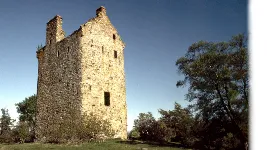
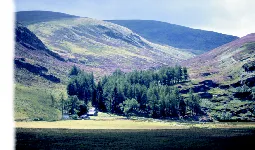
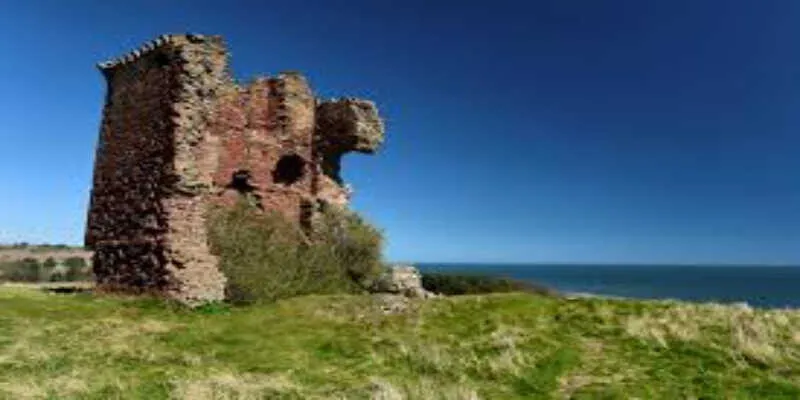
Invermark castle history begins in the Fourteenth Century as a strategic stronghold built by the Lindsay family. Invermark books presents this fascinating journey through time, exploring how the tower survived centuries of turbulent clan warfare. This deep dive into the past will unveil the architectural marvels and historical secrets hidden within the ancient stone walls.
Invermark castle history and its medieval origins
The early days of this Highland fortress reflect the turbulent political landscape of medieval Scottish. Understanding the roots of this structure helps us appreciate its long survival through centuries of conflict.
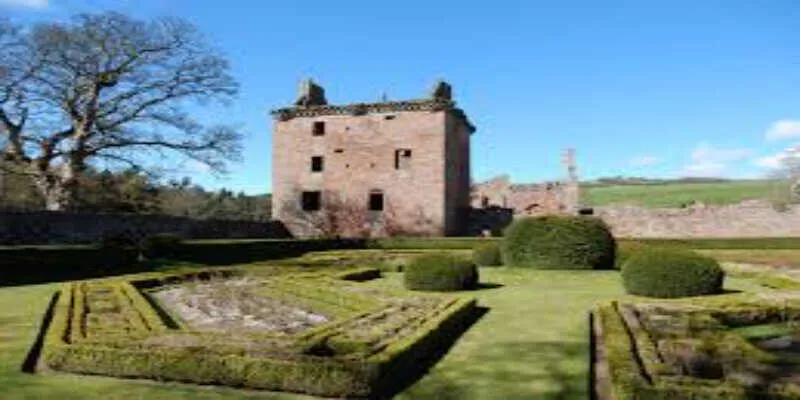
The tactical choice of the location
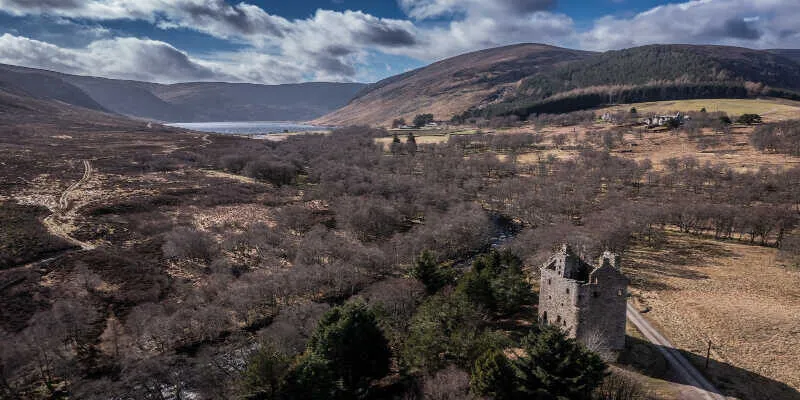
Invermark castle history shows that the fortress was built at the opening of Glen Esk to guard vital mountain passes. This strategic position allowed the owners to control trade routes and defend against sudden enemy invasions. The surrounding rugged landscape provided natural defense mechanisms that made the tower almost entirely impregnable.
The architectural design of the tower house
The strong stone structure remains a classic example of traditional Scottish defensive architecture from the late medieval period. Invermark castle history highlights the use of thick granite walls and a high entrance designed to keep out unwanted intruders. The internal layout contained secure vaults for food storage and defensive positions for soldiers during a long siege.
The influence of the Lindsay family
The powerful Lindsay family constructed this tower to secure their dominance over the surrounding Highland territories. Invermark castle history is deeply intertwined with the fortunes of these noblemen who defended their lands with great fierceness. Their political alliances and local feuds shaped the development of the entire region for several generations.
The strategic military importance during regional conflicts
The fortress played a critical role in protecting the inhabitants of the glen during times of civil unrest. It served as a secure refuge whenever external forces attempted to breach the borders of the estate.

Defending against Highland cattle raiders
The tower acted as a reliable shield against aggressive neighboring clans who frequently raided local agricultural communities. Invermark castle history records numerous instances where local people gathered inside the walls to protect their cattle and property. The presence of a permanent garrison ensured that raiders could not easily exploit the vulnerable mountain passes.
The role in the Jacobite risings
During the turbulent seventeenth and eighteenth centuries, the remote fortress became involved in national political rebellions. Invermark castle history confirms that government forces occupied the castle to prevent Jacobite rebels from using it as a base. This strategic occupation altered the traditional way of life in the glen and marked the decline of clan autonomy.
The final abandonment of the active garrison
As Scottish entered a more peaceful era, the military necessity of maintaining such an expensive stronghold quickly faded. Invermark castle history notes that the building was officially decommissioned after the final Jacobite rebellion was completely suppressed. The heavy iron gates were opened permanently, and the old structure was left to the elements.
Architectural features that survived the passage of time
Despite centuries of exposure to harsh weather and neglect, the core structure remains remarkably intact today. Visitors can still observe the specialized engineering methods used by medieval Scottish masons to ensure maximum durability.
The unique iron yett and entrance system
The entrance of the castle features a rare surviving iron gate known historically as a traditional Scottish yett. This heavy defensive barrier was designed to withstand massive battering rams and intense fire attacks during a siege.
Invermark castle history emphasizes how this specific architectural feature saved the occupants during several desperate midnight raids. The clever placement of the doorway on the first floor made direct physical assault extremely difficult for attackers.
The defensive battlements and lookouts
The upper levels of the tower house provided a panoramic view of the entire glen for miles around. Watchmen stood guard day and night to spot any suspicious movements along the horizon or near the riverbanks.
Invermark castle history describes how these high vantage points allowed for effective communication with other nearby signal towers. The structural design included small ports through which defenders could safely fire arrows or muskets at approaching enemies.
The preservation of the thick granite walls
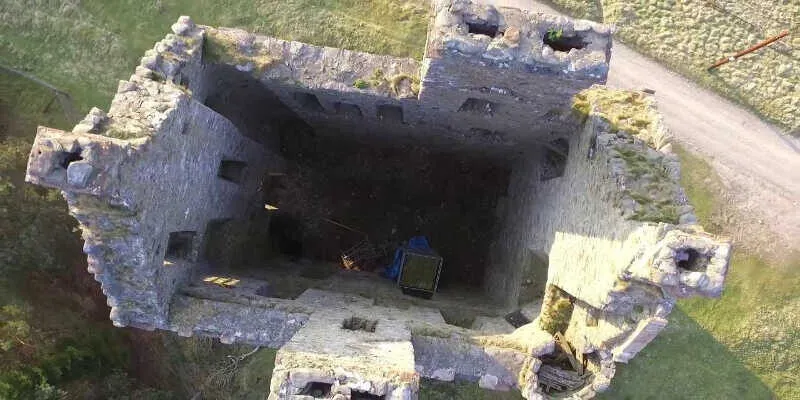
The local stones used in the construction have resisted the damaging effects of heavy rain and freezing winters. The master builders applied a special mortar mix that allowed the walls to remain stable without regular maintenance.
Invermark castle history attracts modern engineers who study these ancient construction techniques to understand their incredible longevity. The solid foundation ensures that the main framework of the building does not sink into the soft earth.
The modern legacy and conservation of the ruins
Today the historic site stands as a proud monument to the rich cultural heritage of the Angus glens. Efforts are being made to ensure that future generations can appreciate the historical value of this location.
The transition to a historic monument
The ruins are now recognized as a site of national importance that requires careful protection from modern development. Local authorities have implemented strict guidelines to prevent any unauthorized alterations to the surrounding landscape.
Invermark castle history continues to inspire historical researchers who visit the glen to document the remaining structural details. The site serves as an educational resource for students learning about medieval defensive strategies and engineering.
The attraction for heritage tourism
Hikers and history enthusiasts frequently visit the glen to admire the dramatic silhouette of the ancient tower. The surrounding walking trails offer a perfect combination of natural beauty and profound historical exploration for all visitors.
Invermark castle history adds a deep layer of romance and mystery to the picturesque landscape of Glen Esk. The local community benefits significantly from the steady flow of travelers who come to explore the ancient ruins.
The future of structural preservation
Specialist conservation teams monitor the stone walls regularly to prevent any sudden collapse caused by environmental erosion. They use non-invasive techniques to reinforce the weak points without changing the authentic appearance of the medieval masonry.
Invermark castle history is preserved through these delicate efforts, ensuring the physical evidence of the past remains standing secure. Funding from heritage organizations helps support the ongoing maintenance required to keep the site safe for public access.
Conclusion
Invermark castle history stands as a magnificent chapter in the grand story of the Scottish Highlands. Invermark Books invites you to discover more about these ancient stone walls that have witnessed centuries of dramatic transformations. The ancient tower remains a silent witness to the bravery, conflicts, and architectural genius of a bygone era.
