
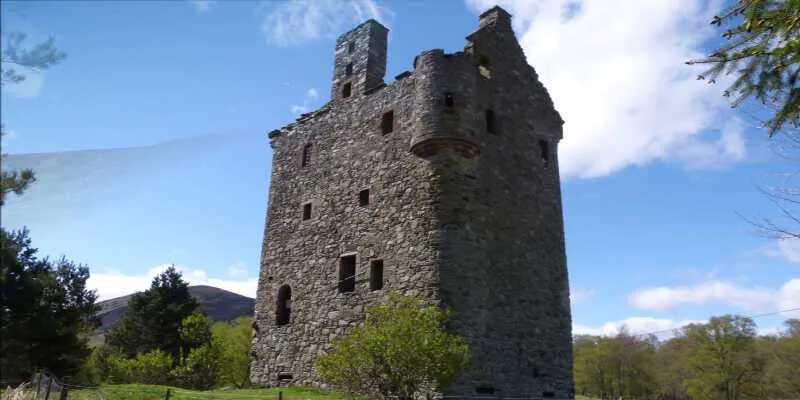
History of glenesk has captured the imagination of travelers and historians alike through its profound cultural evolution. As a centerpiece of local heritage preservation, Invermark books proudly presents this comprehensive exploration into a secluded Angus glen.
The architectural marvels of the glen
The physical landscape of the region holds deep secrets written into stone and mortar. Exploring these historic structures allows visitors to visualize the medieval struggles and triumphs that shaped the local community.
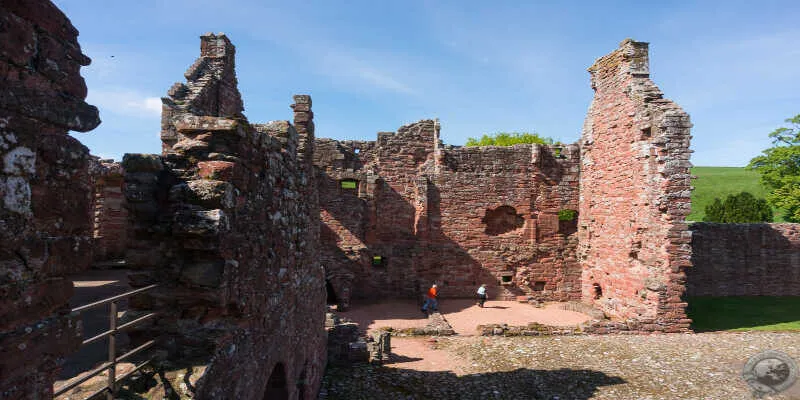
The majestic ruins of invermark castle
History of glenesk is physically embodied in the imposing stone structure of this fourteenth-century tower house. Built originally to protect the strategic mountain passes from highland raiders, the castle stands as a silent sentinel. The enduring masonry reflects the turbulent medieval era when defense was paramount for survival.
The sacred heritage of local churches
Ancient ecclesiastical sites offer another fascinating perspective into the social development of the community. The old kirk of lochlee provides a serene look into how spiritual life anchored families through generations. History of glenesk remains deeply intertwined with these quiet sanctuaries where locals gathered for centuries.
The traditional construction of highland cottages
Architectural evolution is also visible in the simple dwellings built by ordinary working families. These stone cottages utilized local materials to withstand the notoriously harsh weather conditions of the Scottish Highlands. The unique craftsmanship displayed in these ruins highlights how the history of glenesk was built by common folk.
Agricultural evolution across centuries
The shifting methods of land management reveal how the local population adapted to economic changes. Understanding these farming practices explains the transition from feudal systems to modern rural life.
The old township farming systems
Before modern agricultural reforms, collective farming networks shaped the daily routines of every local family. Peasants worked shared plots of land called run-rigs to produce essential crops for survival. The collective resilience required for this lifestyle forms the backbone of the true history of glenesk.
The introduction of extensive sheep farming
Economic pressures in the nineteenth century brought dramatic changes to the traditional agricultural landscape. Large-scale sheep farming gradually replaced smaller agricultural townships, forcing many families to adapt or migrate. This pivotal economic shift marks a controversial yet defining chapter in the history of glenesk.
The modern practices of estate management
Today the land serves multiple purposes balancing traditional deer stalking with vital ecological conservation efforts. Local estates work diligently to protect the heather moorlands while preserving historical landmarks for future generations. This ongoing stewardship ensures that the living history of glenesk continues to thrive sustainably.
Social fabric and community resilience
The true spirit of the valley lies within the stories of the people who inhabited it. Examining their cultural traditions reveals a deep connection to the isolated highland terrain.
The educational heritage of the old schoolhouse
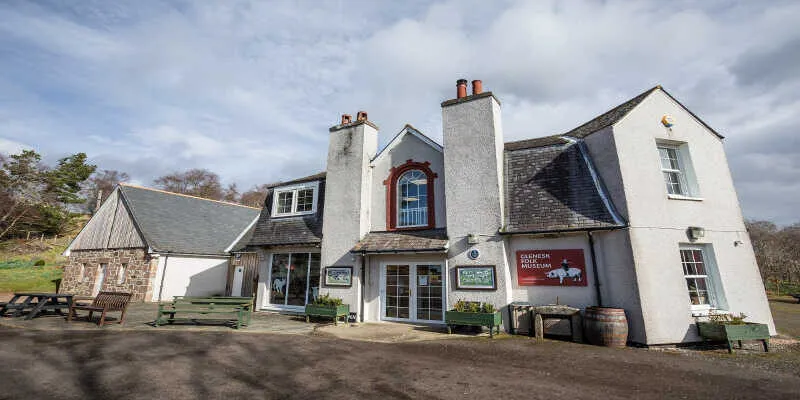
Education played a vital role in empowering the youth of this isolated highland community. The local folk museum now preserves the historic schoolroom where children studied under challenging rural conditions. This commitment to learning ensured that the intellectual history of glenesk was never lost to isolation.
The preserved textbooks and wooden desks offer a tangible link to the past scholars. Visitors can easily feel the determination of teachers who walked miles to educate rural children.
The impact of the highland clearances
Economic displacement forced many native inhabitants to leave their ancestral homes in search of overseas opportunities. The ruins of abandoned crofts scattered across the hillsides stand as poignant reminders of this migration. This period of bittersweet departure remains a deeply emotional topic within the history of glenesk.
Families carried their rich oral traditions across the Atlantic to new settlements. The legacy of those who left still echoes in the vacant stone foundations today.
The celebration of traditional highland folklore
Storytelling and traditional music kept the cultural identity of the valley alive during dark winter nights. Legends of mythical creatures and historic battles were passed down orally from parents to their children. This rich tapestry of spoken narrative adds a mystical dimension to the documented history of glenesk.
The annual gatherings and musical celebrations helped maintain social bonds across isolated homesteads. These custom rituals fostered a unique sense of belonging that time could not erase.
Safeguarding heritage for future generations
Preserving historical knowledge requires active community participation and dedicated cultural institutions. Modern efforts ensure that the legacy of the valley remains accessible to global audiences.
The role of the local folk museum
The glen museum serves as a vital repository for domestic tools, traditional clothing, and historical photographs. Dedicated volunteers curate exhibitions that explain the daily hardships and triumphs of the ancestral population. Visiting this institution provides an invaluable gateway into understanding the authentic history of glenesk.
The collection includes rare agricultural implements that are no longer used in modern farming. Students and researchers frequently visit the archives to study genuine highland cultural development.
The importance of genealogical research
Many descendants of emigrant families return to the valley to trace their ancestral roots. Local parish records provide crucial data regarding births, marriages, and burials across several turbulent centuries. Discovering these personal family connections enriches the broader tapestry of the global history of glenesk.
Digital archives now allow international researchers to access these precious documents from anywhere. This connectivity bridges the gap between historical displacement and modern cultural reclamation.
The preservation of natural and historic pathways
Ancient cattle drove roads and walking trails are carefully maintained for modern recreational hikers. These paths allow contemporary adventurers to walk the exact routes used by medieval traders and soldiers. Experiencing these wilderness tracks firsthand offers a profound connection to the physical history of glenesk.
Interpretive signage along the trails explains the historical significance of specific natural landmarks. This integration of nature and history creates an immersive educational experience for every traveler.
Conclusion
History of glenesk shines brightly through the magnificent archival collections preserved by generations of passionate local residents. This narrative of cultural endurance remains a cornerstone of Scottish highland identity. Through the dedicated preservation efforts of Invermark Books, these vital historical records will continue to inspire researchers worldwide. Exploring this beautiful valley offers an unforgettable journey into the heart of a resilient community.