
History of Glen Mark Lodge is a subject that carries remarkable depth, blending royal patronage, Highland wilderness, and centuries of Scottish estate tradition into one compelling narrative. History of Glen Mark Lodge reveals how a remote shooting lodge in Angus became a cherished retreat for Victorian royalty and aristocratic families alike. This article explores its architectural origins, its royal connections, and the cultural legacy it left across the Grampian landscape. Whether you are a history enthusiast or simply curious about Scotland’s hidden heritage, this story offers something genuinely worth knowing.
History of glen mark lodge: origins and royal roots
The story behind this iconic Highland retreat begins long before the Victorian era made it famous. Glen Mark sits within the Grampian foothills of Angus, a landscape shaped by ancient glacial forces and centuries of human habitation. Understanding the history of Glen Mark Lodge means looking back at the broader context of Highland estate culture during the eighteenth and nineteenth centuries.
The early settlement of glen mark valley
Long before any formal lodge structure stood in the valley, the glen itself served as a seasonal grazing ground for local farming communities. Archaeological traces suggest that human activity in this region dates back several centuries, with shieling huts and drove roads still faintly visible across the moorland. The history of Glen Mark Lodge is therefore inseparable from the wider story of Angus Highland land use and pastoral tradition.
The Victorian era and the rise of shooting estates
The nineteenth century transformed much of the Scottish Highlands through the expansion of grouse moors, deer forests, and sporting estates. Queen Victoria’s love affair with Scotland, cemented by her acquisition of Balmoral in 1852, triggered a wave of aristocratic investment in Highland properties. This cultural shift forms a critical backdrop to the history of Glen Mark Lodge, as wealthy landowners competed to build impressive retreats across Angus and Deeside.
Architectural character of the original lodge structure
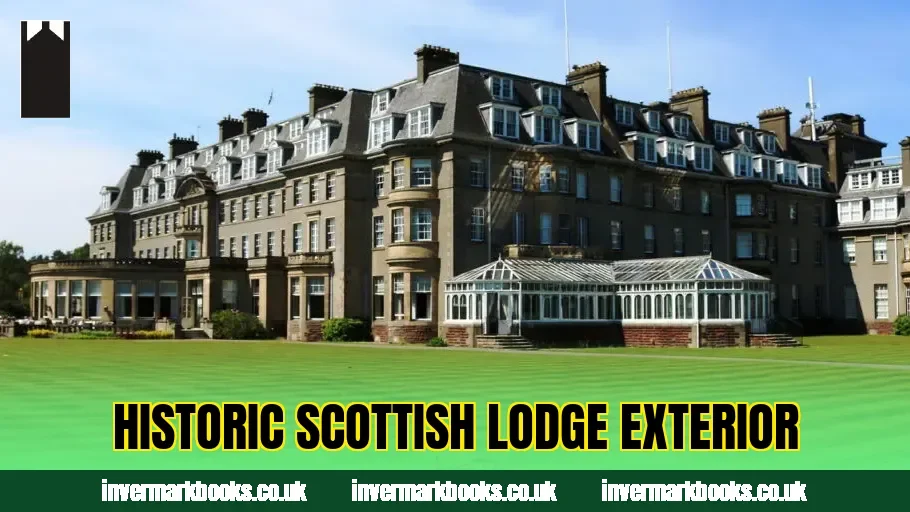
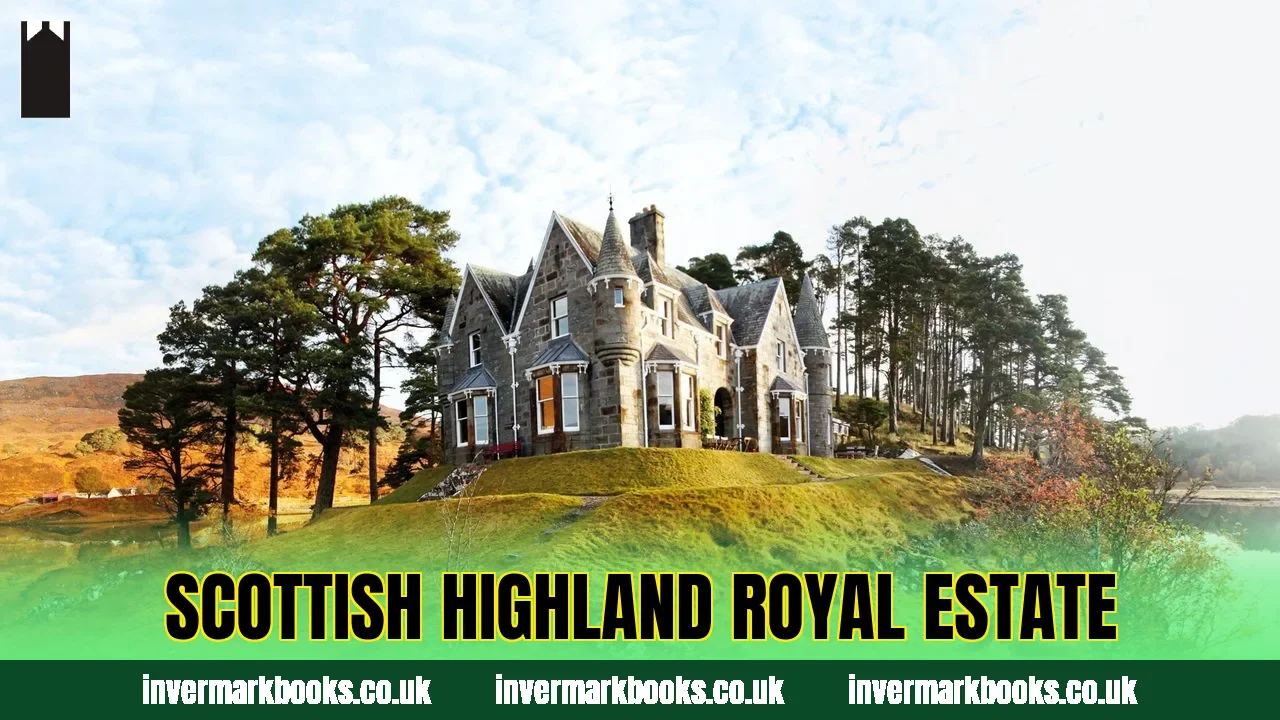
The lodge itself reflects the understated yet purposeful aesthetic of Victorian Highland architecture, favouring local granite, slate roofing, and practical layouts suited to hunting parties. Its design prioritised function over grandeur, which was typical of working shooting lodges rather than grand country houses. Scholars studying the history of Glen Mark Lodge often note how the building’s proportions and materials speak directly to the values of the era that produced it.
History of glen mark lodge and its royal connections
Few aspects of this estate’s past capture the imagination quite like its documented associations with the British royal family. The proximity of Glen Mark to the Balmoral estate made it a natural destination for royal excursions into the wilder parts of Angus. Tracing the history of Glen Mark Lodge through its royal connections offers a vivid window into how Victorian monarchs engaged with the Scottish landscape.
Queen Victoria’s visits to the glen
Queen Victoria is known to have made several journeys through Glen Mark during her annual stays at Balmoral, often travelling on horseback or by pony along the ancient drove roads. Her journals record the dramatic scenery with characteristic enthusiasm, describing the moorland views and the sense of solitude that the glen provided. These royal visits are among the most celebrated chapters in the history of Glen Mark Lodge, lending the site an enduring cultural prestige.
The “Fairy Well” and its royal significance
One of the most enduring landmarks associated with the lodge is the Fairy Well of Glen Mark, a natural spring that Queen Victoria visited and reportedly blessed during one of her Highland excursions. The well subsequently became a site of local reverence, drawing visitors from across the region who came to drink its waters. This small but evocative detail adds considerable romantic texture to the history of Glen Mark Lodge and its place in Scottish Highland folklore.
Later royal and aristocratic patronage of the estate
Following Victoria’s reign, the estate continued to attract distinguished guests from the upper echelons of British society, including members of the extended royal family and prominent Scottish landowners. The shooting seasons brought regular gatherings of influential figures whose social networks helped shape the cultural life of late Victorian and Edwardian Scotland. This sustained aristocratic patronage reinforced the prestige embedded in the history of Glen Mark Lodge well into the twentieth century.
Cultural legacy and landscape heritage of the lodge
Beyond its royal associations, the lodge occupies a meaningful place in the broader cultural and environmental heritage of the Angus glens. The surrounding landscape has been shaped by centuries of estate management, seasonal burning, and deer stalking practices that continue to influence the ecology of the area today. Exploring this dimension of the history of Glen Mark Lodge reveals how deeply human activity and natural environment have become intertwined in this corner of Scotland.
The drove roads and ancient pathways of glen mark
The glen is crossed by several historic drove roads that once carried cattle and sheep between the Highland pastures and the lowland markets of Angus and beyond. These pathways, some of which predate the lodge by several centuries, are now popular walking routes that allow visitors to experience the landscape much as earlier travellers would have done. Recognising these routes as part of the history of Glen Mark Lodge helps situate the estate within a much longer arc of human movement and land use.
Estate management and ecological transformation
The Victorian era introduced intensive land management practices to Glen Mark, including systematic heather burning, predator control, and the construction of drainage channels designed to improve grouse habitat. These interventions fundamentally altered the ecology of the moorland, creating the open, heather-dominated landscape that visitors recognise today. Environmental historians studying the history of Glen Mark Lodge have increasingly focused on these ecological changes as a legacy that persists long after the shooting era’s peak.
Folklore, memory, and local oral tradition
Local communities in the surrounding parishes of Edzell and Tarfside have preserved a rich body of oral tradition connected to the glen, including stories of ghostly figures, weather omens, and the supernatural properties of certain landscape features. These folk narratives complement the documentary record and add a layer of lived cultural memory to the history of Glen Mark Lodge. Collecting and preserving such stories remains an important part of the work undertaken by researchers and local heritage groups in the region.
| Period | Key development | Significance |
|---|---|---|
| Pre-1800s | Pastoral land use and shieling culture | Established early human presence in the glen |
| 1840s–1860s | Victorian shooting estate expansion | Shaped the landscape and lodge architecture |
| 1850s–1900s | Royal visits by Queen Victoria | Elevated the lodge’s cultural prestige |
| Early 1900s | Continued aristocratic patronage | Sustained the estate’s social significance |
| Late 1900s–present | Heritage and conservation interest | Preserved the lodge’s historical memory |
Conclusion
History of Glen Mark Lodge stands as a genuinely layered subject, encompassing royal visits, architectural heritage, ecological transformation, and the enduring folk memory of a Highland community. From its pastoral origins to its Victorian heyday and its continued resonance in Scottish cultural life, the lodge represents far more than a simple shooting retreat. For readers who wish to explore this story further, Invermark Books offers a carefully curated collection of publications dedicated to the heritage of the Angus glens and the royal Scottish traditions that shaped them.
Xem thêm: Scottish Historical Traditions – Eternal Legacies