
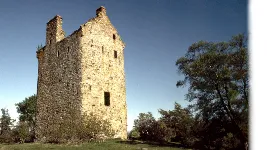
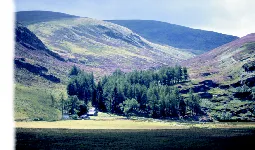

The history of Angus Scotland stretches back thousands of years, weaving together stories of Pictish kingdoms, medieval power struggles, and industrial transformation. Nestled in the northeast of Scotland, Angus has long been a land of profound cultural significance — where standing stones still mark ancient ceremonial grounds and royal burghs carry the echoes of Scotland’s formative centuries. Whether you are a history enthusiast, a genealogist tracing Scottish roots, or simply curious about one of Scotland’s most storied counties, understanding Angus is to understand Scotland itself at its most elemental and enduring.
The History Of Angus Scotland: Ancient Origins And Pictish Legacy
Long before written records shaped the narrative of northern Britain, Angus was already a place of deep human activity. Archaeological evidence suggests settlement dating back to the Mesolithic period, with farming communities establishing themselves across the fertile Strathmore valley during the Neolithic era. It is from these early agricultural foundations that a distinct regional identity began to emerge, one that would eventually be defined by one of Scotland’s most fascinating ancient peoples.

The Picts And Their Lasting Imprint On Angus
The Picts dominated the region for much of the first millennium AD, and the history of Angus Scotland cannot be told without them. Known for their intricate symbol stones, the Picts left behind extraordinary carved monuments that still stand across the county today. Sites such as Aberlemno, near Forfar, feature some of the finest surviving Pictish sculpture in existence — including the famous Aberlemno Roadside Stone, which depicts a fierce battle scene believed to reference the Battle of Nechtansmere in 685 AD. That battle, fought near Dunnichen, was a decisive Pictish victory over the Northumbrians and effectively halted Anglian expansion into northern Scotland.
Early Christian Influence And Monastic Settlements
Christianity arrived in Angus through the efforts of early Celtic missionaries, with Saint Columba’s influence spreading inland from Iona during the sixth and seventh centuries. Monastic communities flourished across the region, and the church became a central force in shaping local governance and learning. The Abbey of Arbroath, though founded much later in 1178, grew from this deep tradition of religious devotion that had been embedded in the Angus landscape for centuries. These ecclesiastical foundations helped preserve literacy, chronicle local events, and maintain cultural continuity through periods of political upheaval.
The Kingdom Of Fortriu And Regional Power
Angus formed a core part of the ancient Pictish province known as Circinn, which scholars associate with the later medieval mormaerdom of Angus. As the Pictish and Gaelic kingdoms merged under Kenneth MacAlpin in the ninth century to form the Kingdom of Alba, the region retained its territorial importance. The mormaers — powerful regional lords — held considerable authority over land and people, functioning almost as sub-kings within the evolving Scottish political structure. This layered system of governance shaped the social and economic fabric of Angus for generations to come.
Medieval Angus: Castles, Clans, And The Declaration Of Arbroath
The medieval period brought transformative change to Angus, elevating it to a stage of national importance within Scottish history. The county became a battleground of competing noble interests, a site of royal patronage, and ultimately, the birthplace of one of the most celebrated documents in the history of any nation. Understanding this era is essential to appreciating just how central Angus has been to Scotland’s broader story.

| Period | Key Event | Location in Angus | Significance |
|---|---|---|---|
| 685 AD | Battle of Nechtansmere | Dunnichen | Pictish victory halted Northumbrian expansion |
| 1178 | Founding of Arbroath Abbey | Arbroath | Major religious and cultural centre |
| 1320 | Declaration of Arbroath | Arbroath | Landmark document of Scottish independence |
| 14th century | Glamis Castle established | Glamis | Symbol of noble power and Scottish heritage |
| 18th–19th century | Linen and jute industries expand | Forfar, Dundee, Arbroath | Economic transformation of the county |
Industrial Transformation And The Modern Identity Of Angus
As Scotland entered the eighteenth and nineteenth centuries, Angus underwent dramatic economic and social change. The region’s transformation during the Industrial Revolution was shaped by its existing strengths in textile production, its agricultural fertility, and the entrepreneurial energy of its townspeople. This era also saw significant population movement, with rural communities shifting toward the growing burghs as factory work replaced cottage industries.

The Linen And Jute Industries Of The Angus Towns
Angus had long been associated with linen production, and by the eighteenth century, towns like Forfar, Brechin, and Arbroath had developed sophisticated weaving industries that supplied markets across Britain and beyond. Arbroath became particularly renowned for its heavy canvas sailcloth, known as Osnaburg, which supplied the British Royal Navy and merchant fleets. As the nineteenth century progressed, jute — imported from Bengal — became the dominant textile fibre, especially in Dundee, which sat at the heart of the Angus industrial corridor. The wealth generated by these industries funded public buildings, libraries, and civic improvements that still define the character of Angus towns today.
Agricultural Reform And The Strathmore Valley
While the towns industrialised, the rural heartland of Angus — particularly the broad, fertile expanse of the Strathmore valley — was undergoing its own revolution through agricultural improvement. Landlords and tenant farmers adopted new crop rotations, drainage techniques, and mechanised equipment that dramatically increased yields. Angus beef, particularly the Aberdeen Angus cattle breed developed in the early nineteenth century, became internationally celebrated for its quality and transformed the county’s pastoral economy. This dual identity — industrial towns surrounded by productive farmland — gave Angus a distinctive economic resilience that carried it through the volatility of the Victorian era and into the twentieth century.
The History Of Angus Scotland Through Its Cultural Heritage Sites
Beyond economics, the modern identity of Angus is deeply rooted in its extraordinary concentration of heritage sites, landscapes, and living traditions. From the Angus Glens — including Glen Clova, Glen Esk, and Glen Prosen — to the coastal towns of Arbroath and Montrose, the county offers a layered encounter with Scottish history at every turn. Museums in Forfar, Brechin, and Arbroath actively preserve records, artefacts, and oral histories that connect residents and visitors to the long arc of the history of Angus Scotland. In 2026, renewed investment in heritage tourism and local publishing continues to bring these stories to wider audiences across the world.
Conclusion
The history of Angus Scotland is a story of extraordinary depth — from Pictish symbol stones and medieval declarations of freedom to industrial innovation and enduring rural traditions. Few counties in Scotland carry such a concentrated legacy of landmark moments, and fewer still have managed to preserve that heritage so vividly into the present day. For anyone seeking to explore this remarkable story further, Invermark Books offers a carefully curated selection of titles dedicated to Angus history, landscape, and culture — an ideal starting point for deeper discovery.
Xem thêm: Five Glens of Angus Guide To Scotland’s Scenic Valleys