
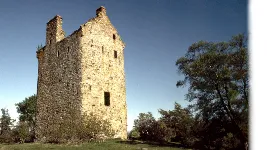
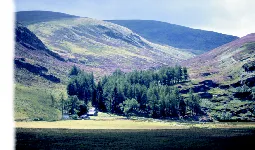

Tucked within one of Scotland’s most scenic and remote glens, glenesk schools represent far more than simple rural classrooms. They stand as enduring symbols of a community’s commitment to educating its children against the odds of geography, weather, and economic hardship. From the earliest parish schoolrooms to the well-documented institutions that shaped generations of glen families, the story of education in Glenesk is deeply woven into the cultural and social fabric of Angus. In 2026, that story continues to captivate historians, descendants, and anyone drawn to the remarkable resilience of Highland communities.
The Origins And Early History Of Glenesk Schools
Education in Glenesk did not arrive with grand fanfare or generous funding. It grew quietly, driven by the Church of Scotland’s mandate to establish a school in every parish and by the genuine hunger for learning among the glen’s farming and herding families. The earliest records point to schoolmasters operating in the area from the seventeenth century onward, often working from basic stone buildings with minimal resources. Despite these limitations, glenesk schools produced literate, numerate communities at a time when rural education across Scotland was far from guaranteed.

Parish Records And The Founding Of Local Education
Parish records from the Loch Lee and Tarfside areas offer some of the most detailed early evidence of organised schooling in the glen. Schoolmasters were typically appointed by the heritors and the kirk session, with their salaries often supplemented by small fees paid directly by families. The curriculum in these founding years centred on reading, writing, arithmetic, and religious instruction, reflecting the Presbyterian values that dominated Scottish rural life. These foundational glenesk schools were modest in scale but ambitious in purpose, laying intellectual groundwork that would persist for centuries.
The Role Of The Church In Shaping Early Classrooms
The Church of Scotland played a decisive role in shaping what glenesk schools looked like, both physically and academically. Ministers frequently doubled as educators or closely supervised the schoolmaster’s work, ensuring that scripture and catechism formed a central pillar of learning. Church buildings were sometimes repurposed as temporary classrooms during periods of transition. This ecclesiastical influence gave early education in Glenesk a distinctly moral and communal character, one that families in the glen embraced rather than resisted, given how closely tied identity and faith remained throughout the eighteenth and nineteenth centuries.
Schoolmasters Who Defined An Era In Glenesk
Individual schoolmasters left lasting impressions on the communities they served. Some remained in post for decades, becoming central figures in glen life, baptising children, recording deaths, and arbitrating local disputes alongside their teaching duties. The dedication required to maintain glenesk schools through harsh winters, with pupils walking considerable distances across moorland, speaks volumes about both the teachers and the families who valued their work. Local archives and family histories frequently mention schoolmasters by name, a testament to the profound respect they commanded.
Glenesk Schools In The Victorian Era And Beyond
The Education (Scotland) Act of 1872 transformed schooling across the country, and Glenesk was no exception. This landmark legislation transferred control of schools from the Church to elected school boards, introduced compulsory attendance, and created a more standardised framework for education. For glenesk schools, this meant new buildings, formal inspections, and a broader curriculum that moved beyond purely religious instruction toward practical and academic subjects suited to a changing Scotland.

The Impact Of The 1872 Education Act On The Glen
Under the new school board system, Glenesk saw investment in purpose-built schoolrooms that replaced the cramped, cold premises of earlier generations. Attendance records from the late Victorian period reveal both the challenges and successes of compulsory education in a remote rural setting. Seasonal farming demands frequently pulled children away from their desks, and school boards had to navigate the tension between agricultural necessity and educational obligation. Nevertheless, glenesk schools steadily improved their facilities and teaching standards throughout this era, reflecting the national ambition to create a more educated Scottish workforce.
Changes In Curriculum And Teaching Methods Post-1872
The post-1872 curriculum introduced subjects such as geography, history, and basic science alongside the traditional literacy and numeracy focus. Female pupils, who had sometimes received a more limited education in earlier decades, gained fuller access to formal schooling under the new system. Teachers in glenesk schools during this period were increasingly required to hold recognised qualifications, raising the overall quality of instruction and giving the community greater confidence in the education their children received. The shift was gradual but unmistakable, and the effects can be traced through the improved literacy rates recorded in census returns from the 1880s and 1890s.
Glenesk Schools And The Preservation Of Local Identity
One underappreciated dimension of glenesk schools in the Victorian period was their role in preserving local identity even as national standardisation took hold. Despite pressure to adopt a uniform Scottish curriculum, teachers in the glen often found ways to incorporate local geography, folklore, and history into their lessons. The stories of the glen’s landscape, its families, and its traditions were passed down not just at the fireside but in the classroom, ensuring that the distinctive culture of Glenesk survived the homogenising pressures of the late nineteenth century.
Glenesk Schools Through The Twentieth Century And Their Legacy Today
The twentieth century brought profound challenges to glenesk schools, as rural depopulation, two world wars, and shifting economic conditions steadily reduced the number of children living in the glen. Schools that had once served dozens of pupils found themselves teaching single-digit classes, and consolidation became inevitable. Yet the legacy of these institutions endures powerfully in the memories of former pupils, the archives of local historians, and the published records that continue to document their history for future generations.

Declining Enrolment And School Consolidation
By the mid-twentieth century, rural Scotland was experiencing dramatic population decline, and Glenesk reflected this national trend acutely. Families left the glen for employment in towns and cities, and the rolls at glenesk schools shrank accordingly. School boards and later local education authorities faced the difficult decision of whether to maintain small, expensive rural schools or transport pupils to larger centres. The eventual closure of the glen’s smaller schoolrooms was a painful but pragmatic response to demographic reality, and it marked the end of a centuries-long chapter in local educational history.
| Period | Key Development | Significance |
|---|---|---|
| 17th Century | First parish schoolmasters appointed | Foundation of organised education in the glen |
| 18th Century | Church-controlled schoolrooms established | Literacy and religious instruction expanded |
| 1872 | Education (Scotland) Act enacted | Compulsory attendance, school board governance |
| Late 19th Century | New purpose-built school buildings | Improved facilities and qualified teachers |
| Mid-20th Century | Declining enrolment and consolidation | Closure of smaller glen schoolrooms |
| 2026 | Historical documentation and preservation | Ongoing archival and publishing efforts |
Oral Histories And Community Memory Of Former Pupils
Much of what is known today about the daily life of glenesk schools comes not from official records but from oral histories collected by local historians and community organisations. Former pupils, many now elderly, have shared vivid memories of one-room classrooms, strict but caring teachers, and the camaraderie of walking to school alongside siblings and neighbours across the open glen. These personal accounts give texture and humanity to the documentary record, transforming statistics and inspection reports into living history that resonates with anyone who has read them.
Published Works Documenting Glenesk Educational Heritage
In recent decades, dedicated publishers and historians have worked to compile and preserve the documentary evidence surrounding glenesk schools. Books, pamphlets, and digitised archives have made primary sources accessible to a global audience of researchers, genealogists, and descendants of glen families. This publishing effort ensures that the educational heritage of Glenesk is not lost to time, giving future generations the tools to understand how their ancestors lived, learned, and built a community in one of Scotland’s most demanding environments. The contribution of specialist publishers in this field cannot be overstated.
Conclusion
The history of glenesk schools is ultimately a story about community, perseverance, and the transformative power of education in even the most remote corners of Scotland. From seventeenth-century parish schoolrooms to Victorian-era classrooms shaped by national legislation, the educational institutions of Glenesk helped forge the character and identity of a remarkable highland community. In 2026, that heritage remains very much alive, thanks to dedicated historians and publishers committed to keeping it accessible. If you want to explore this history further through beautifully researched publications, visit Invermark Books for an outstanding collection of works on Glenesk and the wider Angus glen heritage.
Xem thêm: Glenesk folk museum history: Tales Behind the Artifacts