
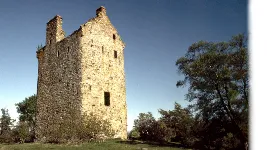
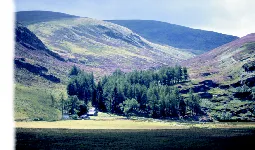

Nestled within one of Scotland’s most breathtaking highland glens, the glenesk churches stand as enduring symbols of faith, community, and resilience. These historic places of worship have shaped the spiritual and cultural identity of the Angus glens for centuries, drawing historians, pilgrims, and curious travelers alike. Whether you are tracing your ancestral roots or simply exploring the remarkable heritage of rural Scotland, understanding the story behind these sacred sites offers a deeply rewarding experience. This guide explores their origins, architectural significance, and continuing relevance to the communities they serve today in 2026.
The Historical Origins Of Glenesk Churches Through The Centuries
The religious history of this highland region stretches back to early medieval Scotland, when Christianity first began to take root in remote and isolated communities. The glenesk churches trace their ancestry to a time when traveling monks and local landowners collaborated to establish permanent places of worship that could serve scattered farming communities throughout the glen.

Early Christian Foundations In The Glen
Long before formal ecclesiastical structures existed, early Christian missionaries are believed to have established preaching sites along the River North Esk. These informal gathering points gradually evolved into more permanent structures as local populations grew and communities became more settled. The spiritual life of those early highland settlers revolved around the rhythms of the agricultural calendar, and the glenesk churches became central to marking the major seasons of life, from birth to marriage to burial. Archaeological evidence suggests some sites may date back as far as the twelfth century, linking this valley to some of the oldest strands of Scottish parish history.
The Role Of The Lochlee And Lethnot Parishes
Two parishes have historically defined the ecclesiastical geography of the glen: Lochlee and Lethnot. The Lochlee parish, which covers the upper reaches of the glen extending toward Loch Lee, has long been associated with some of the most scenically dramatic church sites in Angus. The Lethnot parish, meanwhile, served communities in the lower sections of the valley. Together, these ancient parishes formed the backbone of religious life in this region for hundreds of years. The glenesk churches associated with each parish reveal distinct architectural characteristics that reflect different periods of construction, patronage, and denominational influence across Scottish church history.
Reformation And Its Impact On The Glen’s Worship Spaces
The Protestant Reformation of the sixteenth century dramatically reshaped religious life across Scotland, and the highland glens were no exception. Many original Catholic structures were either demolished, repurposed, or allowed to fall into ruin as new reformed congregations took over. Some of the glenesk churches visible today were either rebuilt entirely or substantially modified during this period. The shift toward simpler, more austere worship spaces is evident in the plain interiors that characterize several of the surviving structures, stripped of ornate Catholic decoration but still retaining a profound sense of sacred atmosphere.
Architectural Features That Define The Glenesk Churches
The built fabric of these highland churches reflects centuries of adaptation, repair, and occasional rebuilding in response to changing congregational needs and available resources. Despite their modest scale, the glenesk churches display a range of architectural features that speak to both local craftsmanship and broader Scottish ecclesiastical traditions.

Stone Construction And Local Materials
One of the most immediately striking features of these buildings is their construction from locally sourced stone, giving them a visual harmony with the surrounding landscape that feels entirely organic. The rugged sandstone and granite used in the glenesk churches were quarried from the very hillsides that frame the valley, meaning each structure literally grew from the land it serves. This choice of material was partly practical, as transporting building supplies into the remote glen would have been enormously expensive, but it also created an aesthetic continuity that visitors consistently remark upon today.
**Glenesk Churches** And Their Distinctive Burial Grounds
The churchyards surrounding the glenesk churches are themselves remarkable historical documents. Tombstones dating back several centuries record the names, occupations, and family connections of generations of highland residents. Detailed epitaphs carved into local stone describe farmers, soldiers, and craftspeople whose lives were entirely bound up with this remote valley. These burial grounds also contain examples of distinctive Scottish funerary art, including carved symbols of mortality such as skulls, hourglasses, and crossed bones, which were commonly used on gravestones during the seventeenth and eighteenth centuries.
Interior Details And Preserved Furnishings
Where interiors have survived intact or been carefully restored, the glenesk churches preserve a fascinating array of original furnishings. Box pews, simple wooden pulpits, and early memorial tablets can still be found in some buildings, offering a tangible connection to the worship practices of previous generations. The acoustic qualities of these stone interiors, designed to carry a preacher’s voice without amplification, remind visitors of the centrality of the spoken word in Reformed Scottish worship. Even details as modest as original ironwork on doors and windows speak to the skill of local craftsmen working within tight material constraints.
| Church / Site | Parish | Approximate Date | Key Feature |
|---|---|---|---|
| Lochlee Church | Lochlee | 19th century rebuild | Loch Lee setting, historic graveyard |
| Old Lochlee Church Ruins | Lochlee | Medieval origins | Ruined structure, ancient burial ground |
| Lethnot Church | Lethnot | 18th–19th century | Preserved interior, local stonework |
| Edzell Area Chapel Sites | Lower Glen | Various | Transitional architectural styles |
Visiting And Preserving Glenesk Churches In 2026
In the current era, access to and awareness of these remarkable highland buildings has never been more important. The glenesk churches attract visitors from across Scotland and beyond, particularly those engaged in genealogical research, heritage tourism, and architectural study. However, ensuring their long-term survival requires ongoing effort from local communities, heritage organizations, and individual supporters.

Practical Information For Heritage Visitors
Reaching the glenesk churches requires some planning, as the glen is accessible primarily via a single road running north from Edzell. Visitors are encouraged to check access arrangements in advance, as some sites are on private land or require permission to enter. The Glenesk Folk Museum, located at The Retreat near Tarfside, serves as an excellent starting point for understanding the broader heritage context of the valley. Staff and volunteers at the museum can provide guidance on which church sites are currently accessible and what condition they are in. Responsible visiting, including respecting graveyards and avoiding damage to fragile stonework, is essential to preserving these places for future generations.
Conservation Challenges Facing Highland Church Buildings
Many rural Scottish churches face severe conservation pressures, and the glenesk churches are no exception. Declining rural populations have reduced the number of active congregations able to maintain these buildings, while the harsh highland climate accelerates the deterioration of stonework, roofing, and joinery. Historic Environment Scotland and various local trusts have been involved in stabilization work at several sites, but funding remains a persistent challenge. Advocates for these buildings argue that their value extends far beyond their religious function, encompassing genealogical records, architectural heritage, landscape character, and community identity in ways that justify sustained public investment.
Community Engagement And Living Heritage Around The Glen
Despite the challenges, there is genuine and growing enthusiasm for celebrating and protecting the glenesk churches as living heritage rather than mere ruins. Local history groups, walking trail organizers, and educational programs have all helped reconnect younger generations with these historic sites. Events tied to the church calendar, occasional open days, and collaborative research projects with universities have all contributed to a renewed sense of ownership and pride among glen residents. This community-centered approach to heritage management offers a genuinely sustainable model for keeping these sacred spaces meaningful well into the future.
Conclusion
The glenesk churches represent far more than stone and mortar in a highland valley. They are living records of faith, community, resilience, and artistic expression stretching across many centuries of Scottish history. For anyone with a passion for heritage travel, genealogical research, or architectural history, these remarkable sites offer an experience that is both deeply personal and genuinely illuminating. To explore further resources, publications, and historical records connected to this extraordinary glen, visit Invermark Books, a dedicated source for Glenesk history and heritage in 2026.
Xem thêm: Glenesk Historical Landmarks – Unveiling Angus Secrets