
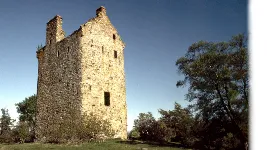
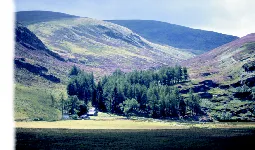

Dalhousie Estates Angus stands as one of Scotland’s most compelling landed estates, weaving together centuries of aristocratic history, agricultural heritage, and natural highland beauty. Nestled within the dramatic landscapes of Angus, this estate has shaped the cultural and economic identity of the region in ways that continue to resonate today. From its medieval origins to its modern land management practices, Dalhousie Estates offers a fascinating lens through which to understand Scottish rural life, titled landownership, and the enduring relationship between people and the land they steward across generations.
The Historical Origins Of Dalhousie Estates Angus
The roots of Dalhousie Estates Angus stretch deep into medieval Scotland, tied closely to the Ramsay family, one of the most distinguished noble houses in Scottish history. The Ramsays rose to prominence during the Wars of Scottish Independence, earning lands and titles through military service and political loyalty to the Scottish Crown. Their association with Angus became foundational to the estate’s identity, with the Dalhousie title eventually evolving into an earldom that commanded significant regional influence for several hundred years.

The Ramsay Family And Their Claim To Angus
The Ramsay lineage in Angus can be traced back to the twelfth century, when Norman-Scottish nobles began consolidating landholdings across eastern Scotland. By the fourteenth century, the family had established themselves as pivotal figures in the local power structure. Their fortified strongholds and agricultural estates formed the backbone of a feudal system that defined rural Angus for generations. The Ramsay name became synonymous with governance, military authority, and land stewardship within this corner of Scotland.
Dalhousie Castle And Its Role In Estate History
Central to understanding Dalhousie Estates Angus is the role of Dalhousie Castle, a fortified seat that served as the administrative and symbolic heart of Ramsay power. While the castle most commonly associated with the Dalhousie name sits near Bonnyrigg in Midlothian, the territorial reach of the Dalhousie earldom extended into Angus through grants, marriages, and inheritance. The castle represented not merely a residence but a statement of authority over the surrounding landscape and its people.
Title, Earldom, And Political Influence Through The Centuries
The Earldom of Dalhousie was created in 1633 for William Ramsay, and the family subsequently produced some of Scotland’s most notable statesmen and military commanders. The Marquessate of Dalhousie, granted in 1849, reflected the family’s elevated imperial standing. James Andrew Broun-Ramsay, the tenth Earl and first Marquess, served as Governor-General of India and left a complex but undeniable mark on Victorian history. These accomplishments reinforced the prestige attached to all lands bearing the Dalhousie name, including those across Angus.
Land Use And Estate Management At Dalhousie Estates Angus
Understanding how Dalhousie Estates Angus has been managed across time reveals much about the evolution of Scottish land stewardship. From feudal farming systems to modern conservation-led approaches, the estate reflects broader shifts in how large landholdings are expected to function within contemporary Scottish society. Land reform legislation introduced in Scotland since 2003 has reshaped the obligations and opportunities of estate owners, pushing toward greater transparency and community engagement.

Agricultural Traditions And Farming Practices
Angus has long been celebrated as premium agricultural territory, and the farms within Dalhousie Estates Angus historically produced grain, livestock, and dairy goods that fed both local communities and wider markets. The fertile glens and rolling lowlands of Angus supported mixed farming systems that balanced arable and pastoral activities. Tenant farmers working estate land contributed significantly to the regional economy, operating under arrangements that evolved from strict feudal leases toward more modern tenancy agreements over the course of the nineteenth and twentieth centuries.
Forestry, Conservation, And Environmental Stewardship
Modern estate management in Scotland increasingly emphasises ecological responsibility, and Dalhousie Estates Angus reflects this trajectory. Woodland planting, peatland restoration, and wildlife habitat management have become integral to how large Scottish estates demonstrate their value beyond simple agricultural productivity. Native species reintroduction programmes and biodiversity monitoring are now common features of responsible Highland and Lowland estate governance, aligning private landholding with national environmental targets set under Scotland’s climate strategy framework.
Shooting, Stalking, And Rural Economy
Field sports have historically formed a significant part of the rural economy across Scottish estates. Grouse shooting, deer stalking, and salmon fishing generate employment, attract tourism spending, and support a network of specialist rural trades. Within the broader Angus region, estates like Dalhousie Estates Angus have contributed to this economy while also navigating growing debates around land use ethics, rewilding priorities, and the social licence of field sports in a modern democratic Scotland. Balancing tradition with evolving public expectations remains an ongoing challenge.
Key Facts About Dalhousie Estates Angus In 2026
To better understand the scope and character of Dalhousie Estates Angus, the following table summarises essential information drawn from historical records, regional land surveys, and estate documentation available in 2026.

| Category | Detail |
|---|---|
| Location | Angus, eastern Scotland |
| Associated Family | Ramsay family (Earls and Marquesses of Dalhousie) |
| Historical Period | 12th century to present |
| Title Created | Earldom of Dalhousie, 1633 |
| Land Uses | Agriculture, forestry, field sports, conservation |
| Notable Figure | First Marquess of Dalhousie, Governor-General of India |
| Governing Framework | Scottish Land Reform Acts 2003 and 2016 |
| Environmental Priority | Biodiversity, peatland restoration, native woodland |
Cultural Significance And Archival Resources For Dalhousie Estates Angus
Beyond its physical landscape and economic function, Dalhousie Estates Angus holds profound cultural and archival significance. Estate records, tenant registers, maps, and correspondence provide historians and genealogists with irreplaceable documentation of life in rural Angus across several centuries. These primary sources illuminate patterns of migration, social structure, agricultural change, and the lived experiences of ordinary people who worked and resided within the estate boundaries throughout its long history.

Archival Collections And Historical Documentation
The Dalhousie Muniments, held in part at the National Records of Scotland, represent one of the richest private archive collections in the country. Documents spanning the medieval period through to the twentieth century cover legal charters, estate accounts, military correspondence, and personal family papers. For researchers interested Angus local history, these records provide granular detail that is rarely available for other regions. Scholars working on Scottish rural history, estate economics, or nobility studies regularly draw on this archival depth.
Genealogical Research And Family History Connections
For those tracing family histories connected to Dalhousie Estates Angus, the estate’s records offer remarkable possibilities. Tenant family names appear consistently across multiple generations of lease documents, linking modern descendants to specific farms, hamlets, and parishes within Angus. Local libraries, the Angus Archives in Forfar, and specialist publishers like Invermark Books provide access to curated historical content that supports serious genealogical inquiry. The intersection of estate history and family history makes this a particularly rewarding research area for anyone with ancestral roots in the region.
Published Works And Local Heritage Literature
A growing body of published work explores the history and landscape of Dalhousie Estates Angus within the wider context of Angus heritage. Local historians, academic researchers, and independent publishers have contributed books, pamphlets, and digital resources that make this history accessible to a broad audience. Quality heritage publishing plays a vital role in preserving local knowledge and translating archival research into engaging narratives that connect communities to their past. Specialist publishers operating within the Scottish highlands and Angus region continue to expand this literature each year.
Conclusion
Dalhousie Estates Angus represents far more than a tract of Scottish land. It embodies centuries of noble history, agricultural tradition, environmental stewardship, and cultural memory that together form an essential part of Angus’s regional identity. Whether you approach it as a historian, a genealogist, a conservationist, or simply someone fascinated by Scotland’s landed heritage, the depth of story held within this estate rewards serious exploration. For those seeking authoritative published resources on this and related topics, Invermark Books offers an exceptional range of titles dedicated to the history and heritage of Angus and the surrounding Scottish highlands. Begin your journey into this remarkable landscape through the books that bring it to life.
Xem thêm: Medieval angus castles: Medieval Angus Castles: Tactical Secrets of the North