

Angus glens historical sites hold centuries of untold stories carved into the Scottish landscape, from ancient Pictish stones to crumbling castle walls. These remote valleys in northeast Scotland preserve a remarkable timeline of human settlement, conflict, and culture that few visitors fully appreciate. This guide draws on the Invermark Books collection to walk you through the most significant heritage locations across the glens, explaining what each site means and why it still matters today.
Angus glens historical sites: a highland heritage overview
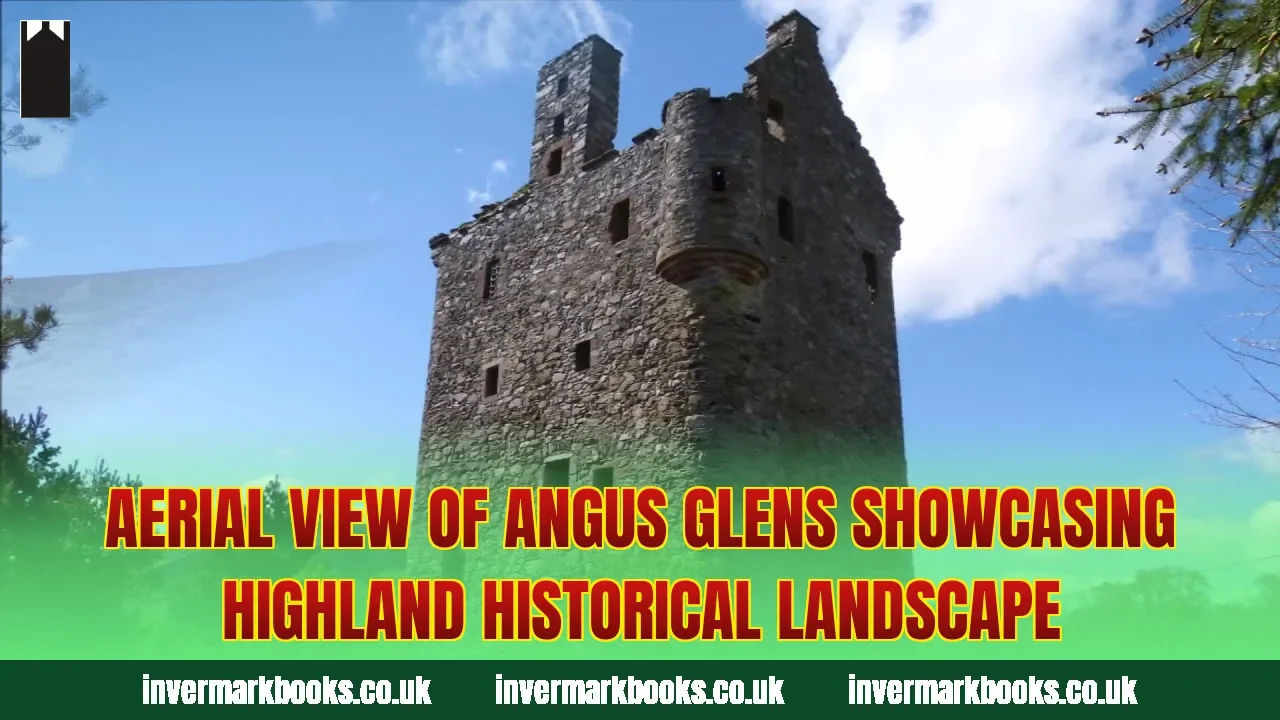
The glens of Angus stretch inland from the coastal plains toward the Cairngorm foothills, forming a corridor of preserved history that spans thousands of years. Each valley carries its own distinct identity shaped by geology, clan politics, and the rhythms of agricultural life. Understanding this landscape as a whole helps visitors approach individual angus glens historical sites with far greater depth and appreciation.
The geographic setting of the glens
The five principal glens — Clova, Prosen, Isla, Ogil, and Esk — each follow river valleys cutting through the eastern Grampians toward the lowlands. This natural corridor made the glens both a refuge and a contested frontier throughout Scottish history. Travelers exploring angus glens historical sites will notice how the terrain itself dictated where settlements, fortifications, and sacred spaces were built across the centuries.
Pictish legacy carved in stone
Among the oldest surviving evidence in the region, Pictish symbol stones represent a civilisation that flourished here long before written records began. These carved monoliths display intricate knotwork, animal symbols, and abstract designs whose full meaning remains debated among scholars. The presence of such stones across angus glens historical sites confirms that this region was a significant cultural and political centre during the first millennium AD.
Medieval fortifications along the valley floors
As clan power consolidated during the medieval period, stone tower houses and fortified halls began to appear at strategic points throughout the glens. Structures like Invermark Castle at the head of Glen Esk stand as enduring reminders of the military tensions that shaped this landscape for generations. Visiting these fortified angus glens historical sites reveals how geography, kinship, and conflict intersected in ways that still echo through local place names today.
Angus glens historical sites worth visiting today
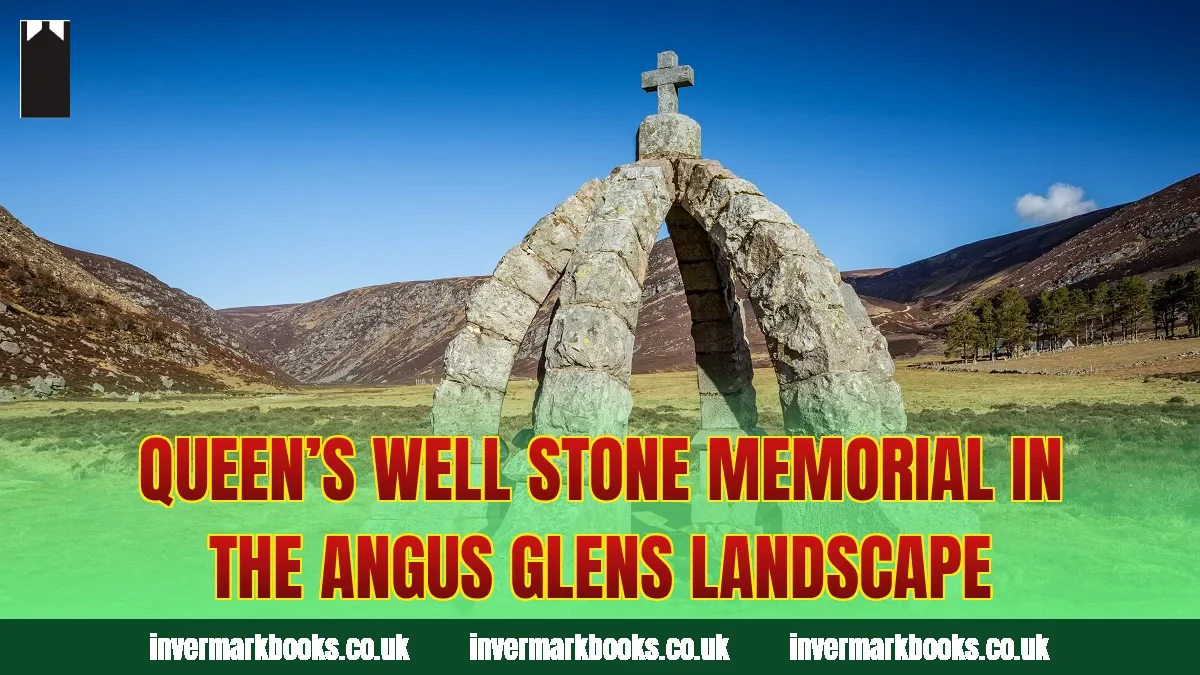
Choosing which sites to prioritise can be challenging given the sheer number of heritage locations scattered across the glens. The Invermark Books guide offers curated recommendations based on accessibility, historical significance, and the quality of surviving remains. Below are three standout categories of angus glens historical sites that reward careful exploration.
Invermark Castle and its surrounding landscape
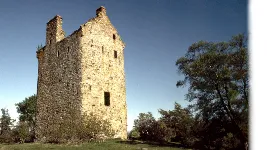
Invermark Castle, a 16th-century tower house at the southern edge of Loch Lee, is one of the most photogenic and historically layered angus glens historical sites in the entire region. Built by the Lindsay family, it controlled the Mounth pass routes used by drovers, soldiers, and pilgrims for centuries. The surrounding landscape includes the ruins of St Drostan’s Church and a historic burial ground, making this a remarkably concentrated pocket of heritage in a single visit.
Caterthun hill forts: iron age engineering
The Brown and White Caterthuns near Menmuir represent some of the finest Iron Age hill forts anywhere in Scotland, with massive concentric stone ramparts that still impress modern visitors. These twin summits overlook the lower glens and were clearly designed to project power across a wide territory. As angus glens historical sites go, the Caterthuns offer an unmatched combination of panoramic views and tangible prehistoric engineering that no other location in the region can match.
Edzell Castle and the Renaissance garden
Edzell Castle near the mouth of Glen Esk is famous not only for its ruined tower house but for the extraordinary walled garden commissioned by Sir David Lindsay in 1604. This Renaissance pleasure garden features sculpted heraldic panels that represent a level of artistic ambition rarely seen outside major Scottish cities of that era. Among angus glens historical sites, Edzell stands apart as evidence that the glen communities were deeply connected to broader European cultural movements, not isolated from them.
| Site name | Location | Period | Key feature |
|---|---|---|---|
| Invermark Castle | Glen Esk | 16th century | Tower house, Loch Lee setting |
| Brown Caterthun | Near Menmuir | Iron Age | Concentric earthwork ramparts |
| White Caterthun | Near Menmuir | Iron Age | Massive stone-walled enclosure |
| Edzell Castle | Glen Esk mouth | Medieval–Renaissance | Sculpted walled garden |
| St Drostan’s Church | Loch Lee | Early medieval | Ruined chapel and burial ground |
| Pictish symbol stones | Various glen locations | 1st millennium AD | Carved knotwork and animal symbols |
How to use the Invermark Books guide effectively
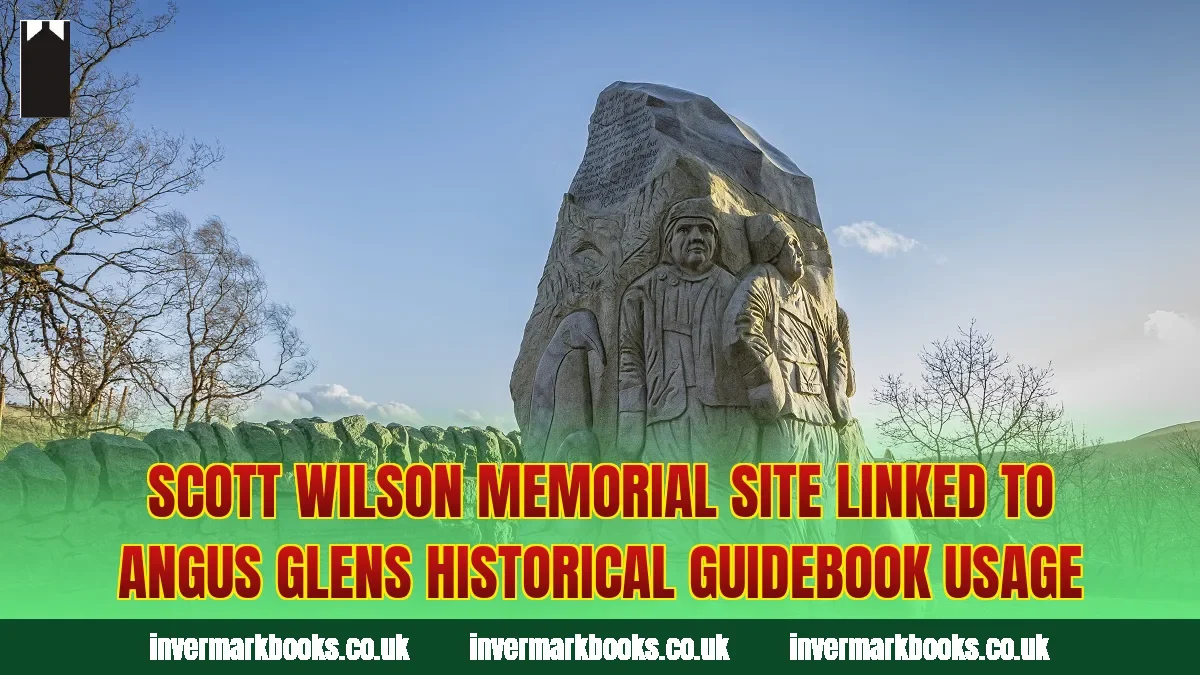
The Invermark Books series approaches heritage tourism differently from standard guidebooks by combining detailed historical research with practical walking route information. Each volume in the series is written by authors with direct knowledge of the terrain, ensuring that descriptions of angus glens historical sites are grounded in firsthand observation rather than secondary summaries. This makes the guides genuinely useful whether you are a casual day visitor or a serious heritage researcher.
Pairing the guide with on-site exploration
Reading the Invermark Books guide before visiting helps visitors understand what they are looking at once they arrive at any given angus glens historical sites location. Many ruins lack on-site interpretation panels, so having background context in hand transforms what might seem like a pile of stones into a legible historical document. The guide also highlights subtle features — carved details, earthwork patterns, field boundaries — that untrained eyes would easily overlook without prior preparation.
Seasonal considerations for heritage visits
The glens are accessible year-round, but late spring and early autumn offer the clearest sightlines across earthworks and the best light for photographing carved stones and ruined masonry. Winter visits to angus glens historical sites can be atmospheric but require careful preparation given the remoteness of some locations and the unpredictability of highland weather. The Invermark Books guide includes practical notes on access routes, parking, and terrain conditions that help visitors plan safe and rewarding trips across all seasons.
Using local knowledge and archive resources
Beyond the physical sites themselves, the Invermark Books approach encourages visitors to engage with local archive collections held at Angus Archives in Forfar and the Royal Commission on the Ancient and Historical Monuments of Scotland database. These resources contain maps, photographs, and excavation reports that deepen understanding of any angus glens historical sites encountered in the field. Cross-referencing the guide with these archives allows researchers and enthusiasts alike to pursue questions that a single visit cannot fully answer.
Conclusion
Angus glens historical sites offer one of Scotland’s most rewarding and underappreciated heritage experiences, combining prehistoric earthworks, medieval castles, and early Christian remains within a single accessible landscape. Whether you are drawn by the drama of Iron Age hill forts or the quiet melancholy of ruined chapels, the glens reward every level of historical curiosity. Explore the full Invermark Books collection to find detailed guides that will help you get the very most from every visit to this remarkable corner of northeast Scotland.
See also: Important Events In Angus History — Scottish Echoes