

Glen mark estate is one of Scotland’s most quietly compelling heritage landscapes, tucked within the Angus Glens and shaped by centuries of land stewardship, royal history, and natural beauty. This estate carries a legacy that stretches far beyond its rolling moorlands and ancient drove roads. Whether you are a history enthusiast, a walker seeking solitude, or someone drawn to authentic Scottish culture, this place offers something genuinely rare.
Glen mark estate: A landscape shaped by time
The character of glen mark estate has been formed not by grand gestures but by steady, deliberate care across generations. Its terrain reflects both natural forces and human intention working together over many centuries.

The ancient drove roads of Glen Mark
Glen mark estate sits along one of Scotland’s most historically significant drove road corridors, where cattle were once herded southward through rugged highland passes. These old pathways still cut through the landscape today, offering walkers a direct connection to centuries of rural Scottish life. The physical imprint of that era remains visible in the worn earth and stone dykes that line the route.
Royal connections and the Mounth crossing
The Mounth road passing through this valley was used by Scottish royalty and nobles long before modern roads existed, making this corridor a silent witness to pivotal moments in Scottish history. Queen Victoria herself is known to have traveled through the area during her famous expeditions across the Cairngorm region. That royal association lends the estate a quiet prestige that few landscapes in eastern Scotland can claim.
Natural terrain that defines the glen’s identity
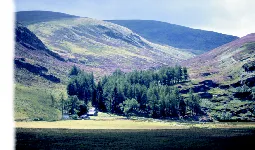
The moorland, heather slopes, and river systems within glen mark estate form a cohesive ecological environment that has remained largely undisturbed for generations. The Water of Mark flows through the valley floor, providing both habitat and visual drama across every season. This natural infrastructure is as much a part of the estate’s heritage as any building or monument found within its boundaries.
Glen mark estate and its cultural heritage legacy
Beyond the landscape itself, glen mark estate holds deep cultural significance that speaks to the broader story of Scottish rural identity. The traditions, structures, and stories embedded here reflect a way of life that has largely disappeared elsewhere in Britain.

The shieling culture and seasonal farming traditions
Evidence of seasonal shieling activity — the practice of moving livestock to higher pastures during summer — can still be traced across the upper slopes of glen mark estate. These temporary settlements were central to highland farming life for centuries, and the faint outlines of their stone foundations remain as quiet reminders of that rhythm. Understanding this tradition adds an entirely different dimension to walking through the glen today.
Stone structures and built heritage within the valley
Scattered throughout the estate are remnants of earlier human occupation, including ruined farmsteads, enclosure walls, and boundary markers that predate modern land management practices. Each structure tells a specific story about how land was used, divided, and contested over time. Researchers and heritage walkers alike find these physical traces invaluable for understanding the social history of upland Scotland.
Oral traditions and local place-name heritage
The place names within glen mark estate carry Gaelic roots that reveal earlier layers of settlement and land use invisible to the casual visitor. Names like Loch Lee, Rowan Hill, and various burn crossings encode information about geography, mythology, and agricultural practice from centuries past. Preserving and interpreting these names is part of what makes heritage documentation in this region so important.
| Feature | Historical period | Significance |
|---|---|---|
| Mounth drove road | Medieval – 18th century | Key cattle and royal travel route |
| Shieling remains | 16th – 19th century | Evidence of seasonal highland farming |
| Water of Mark | Pre-historic to present | Central ecological and cultural corridor |
| Royal Mounth crossing | Medieval – Victorian era | Connected to Scottish royal expeditions |
| Gaelic place names | Early medieval | Linguistic record of early settlement |
Exploring glen mark estate: Trails and access points
Visiting glen mark estate requires a degree of preparation, but the rewards for those who make the effort are substantial. The estate is best experienced on foot, with several well-established routes offering different perspectives on its terrain and heritage.

The Loch Lee and Invermark walking circuit
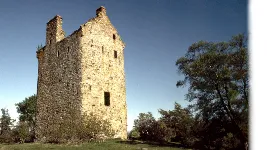
One of the most rewarding entry points into glen mark estate begins at Invermark, where the ruins of Invermark Castle stand as a dramatic gateway to the upper glen. From here, walkers can follow the Water of Mark upstream toward Loch Lee, passing through a landscape that shifts from managed farmland to open moorland within a short distance. This circuit is suitable for experienced walkers and offers consistent visual interest throughout its length.
Seasonal considerations for visiting the estate
The estate landscape changes dramatically across the four seasons, with late summer bringing the famous purple heather bloom that transforms the moorland into something almost theatrical. Winter visits offer stark, austere beauty and the chance to see the glen in its most elemental form, stripped of vegetation and softened light. Spring and autumn both provide excellent conditions for wildlife observation, particularly red deer, golden eagle, and upland bird species.
Responsible access and countryside etiquette
Scotland’s Land Reform Act grants walkers the right of responsible access across most land, including glen mark estate, provided that access is exercised with care for the environment and for land management activities. During the grouse and deer management seasons, it is courteous and sometimes necessary to check local conditions before setting out. Respecting this balance between public access and private land stewardship is fundamental to enjoying the estate without causing disruption.
Conclusion
Glen mark estate offers a rare combination of natural grandeur, layered history, and cultural depth that few places in Scotland can match. From its ancient drove roads and royal associations to its living ecological systems and Gaelic place-name heritage, this landscape rewards those who approach it with curiosity and respect. If you want to explore its full story in greater depth, Invermark Books provides carefully researched publications that bring this remarkable heritage to life.
Read more: Invermark Castle History – A Scottish Legacy