
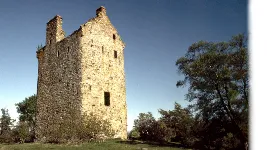
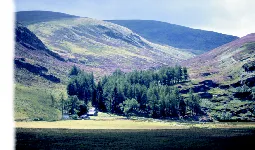

Nestled deep within the Angus Glens of Scotland, invermark castle stands as one of the most hauntingly beautiful tower houses in the entire country. Built in the sixteenth century, this remote stronghold has watched over Glen Esk for nearly five hundred years, surviving clan feuds, royal hunts, and the slow passage of time itself. Whether you are a history enthusiast, a passionate hiker, or simply someone drawn to the raw drama of the Scottish landscape, invermark offers an experience that is genuinely difficult to replicate anywhere else in Britain. This guide covers everything you need to know before visiting in 2026.
The History Of Invermark Castle Through The Centuries
The story of invermark castle begins in the mid-1500s, a period of intense political tension across Scotland. The tower was constructed by the Lindsay family, Earls of Crawford, who controlled vast stretches of Angus and used this highland outpost as both a defensive garrison and a hunting lodge. Its position at the head of Glen Esk was far from accidental. The surrounding moorland was rich with red deer, and the castle gave the Lindsay clan an authoritative foothold over one of the most strategically significant glens in eastern Scotland.

The Lindsay Clan And Their Connection To Invermark Castle
The Lindsays were among the most powerful noble families in medieval Scotland, and their ownership of invermark castle reflected their broader ambitions across the region. Historical records suggest the tower was completed around 1570, though some architectural evidence points to an even earlier foundation. The clan used the fortress not just for military purposes but as a statement of territorial dominance over rival families who sought influence in Glen Esk. Their legacy is still visible in the surviving stonework today.
Royal Connections And The Hunting Ground Legacy
One of the most fascinating chapters in the history of invermark castle involves its role as a royal hunting ground gateway. King James VI of Scotland, later James I of England, is said to have passed through the glen during hunting expeditions into the Grampian foothills. The castle served as a waypoint for these royal parties, providing shelter and provisions before they ventured deeper into the upland terrain. This connection to the Scottish crown elevated the status of the site considerably and helps explain why the tower was maintained in relatively good condition well into the seventeenth century.
Decline And Abandonment Of The Tower House
By the late 1600s, the political and military landscape of Scotland had shifted dramatically. The need for highland tower houses diminished as centralised governance replaced clan-based authority. Invermark castle gradually fell into disuse, and without regular maintenance, the elements began their slow work of erosion. The roof eventually collapsed, leaving the walls exposed to centuries of wind and rain. Despite this, the main tower structure has remained largely intact, which is a testament to the quality of the original construction and the durability of the local stone used by its builders.
Architectural Features That Define Invermark Castle
From a structural standpoint, invermark castle is a classic example of a Scottish L-plan tower house. This architectural form was common in sixteenth-century Scotland and was designed to maximise defensive capability while providing reasonably comfortable living quarters for the resident family and their household. The surviving walls rise to an impressive height in certain sections, giving modern visitors a clear sense of the original scale and ambition of the building.

The Tower Structure And Surviving Stonework
The main tower of invermark castle retains much of its original masonry, including sections of the barrel-vaulted ground floor, which would have served as a storage area or guardroom. The quality of the dressed stone around window openings and doorways is particularly notable, suggesting that skilled craftsmen were brought in to complete the finer elements of the construction. A round stair tower adjoins the main block, a hallmark of Scottish tower house design, and its corbelled stonework remains one of the most photogenic features of the entire site.
Defensive Design Elements Worth Noting
Like most tower houses of its era, invermark castle incorporated several defensive features that reflect the volatile nature of sixteenth-century highland life. The entrance was deliberately narrow and easily defended, and the ground-floor windows were small and set high in the walls to prevent easy access. Arrow loops are still visible in certain sections of the masonry. These architectural choices tell a vivid story about the security concerns of the Lindsay family and the broader instability that characterised highland Scotland during this period.
Comparison With Other Scottish Tower Houses Of The Period
| Castle | LocationConstruction Period | Current Condition | Architectural Style | |
|---|---|---|---|---|
| Invermark Castle | Glen Esk, Angus | c. 1560–1580 | Partial ruin, walls standing | L-plan tower house |
| Craigmillar Castle | Edinburgh | c. 1374 | Well-preserved ruin | Tower with courtyard |
| Balgonie Castle | Fife | c. 1360 | Partially inhabited | Tower and great hall |
| Smailholm Tower | Scottish Borders | c. 15th century | Well-preserved | Simple peel tower |
Planning Your Visit To Invermark Castle In 2026
Visiting invermark castle in 2026 requires a little more preparation than a trip to a managed heritage site. The castle is located at the end of a single-track road through Glen Esk, and the final approach involves a short walk across open moorland. This relative inaccessibility is precisely what makes the experience so rewarding. The absence of crowds and commercial infrastructure means you can absorb the atmosphere of this highland ruin in something close to genuine solitude, which is increasingly rare at Scottish heritage sites.

How To Reach Glen Esk And The Castle Site
The most practical starting point for reaching invermark castle is the village of Edzell in Angus, from which the B966 road leads north into Glen Esk. The drive itself takes approximately thirty minutes and passes through some of the most scenic lowland-to-highland transition landscapes in the region. Parking is available near Loch Lee, a short distance from the castle. From there, a straightforward walk of around ten to fifteen minutes across relatively flat ground brings you directly to the base of the tower.
Best Seasons And Conditions For Exploring The Ruins
Spring and early autumn are generally considered the best seasons for visiting invermark castle. The heather moorland that surrounds the site reaches peak colour in late August and early September, creating a dramatic backdrop for photography. Winter visits are possible but require waterproof footwear and appropriate clothing, as the ground can become waterlogged after heavy rain. Summer midges can be problematic in July, so insect repellent is strongly recommended for anyone planning a longer stay at the site.
What To Expect On Site And Nearby Attractions
The ruins of invermark castle are freely accessible and unmanaged, meaning there are no entrance fees, guided tours, or on-site facilities. Visitors should exercise standard caution around the standing walls and avoid climbing on the stonework. Nearby attractions include Loch Lee itself, the ruined church of St Drostan adjacent to the castle, and the wider network of walking routes through the Angus Glens. The combination of these elements makes invermark castle the natural centrepiece of a full day’s exploration in one of Scotland’s most underrated highland regions.
- Loch Lee: a serene freshwater loch immediately adjacent to the castle grounds
- St Drostan’s Church ruins: a roofless medieval chapel sitting just metres from the tower
- Angus Glens walking routes: extensive trail networks connecting multiple glens
- Tarfside village: a small settlement further up the glen with historical interest
- Mount Keen: the most easterly Munro in Scotland, accessible from the same glen
Conclusion
Invermark castle is not just a ruin. It is a layered historical document written in stone, set against one of the most breathtaking natural landscapes Scotland has to offer. From its origins as a Lindsay clan stronghold in the sixteenth century to its present role as a freely accessible heritage site in the Angus Glens, the castle continues to reward those who make the effort to seek it out. For anyone planning a visit in 2026, the combination of accessible ruins, magnificent scenery, and genuine historical depth makes this a destination that genuinely delivers. To learn more and go deeper into the history surrounding the site, visit Invermark Books for expertly curated resources and research.

Xem thêm: Famous Castle Ruins In Scottish – Echoes Of The Past