
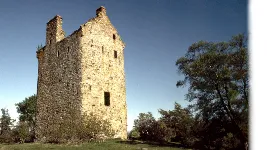
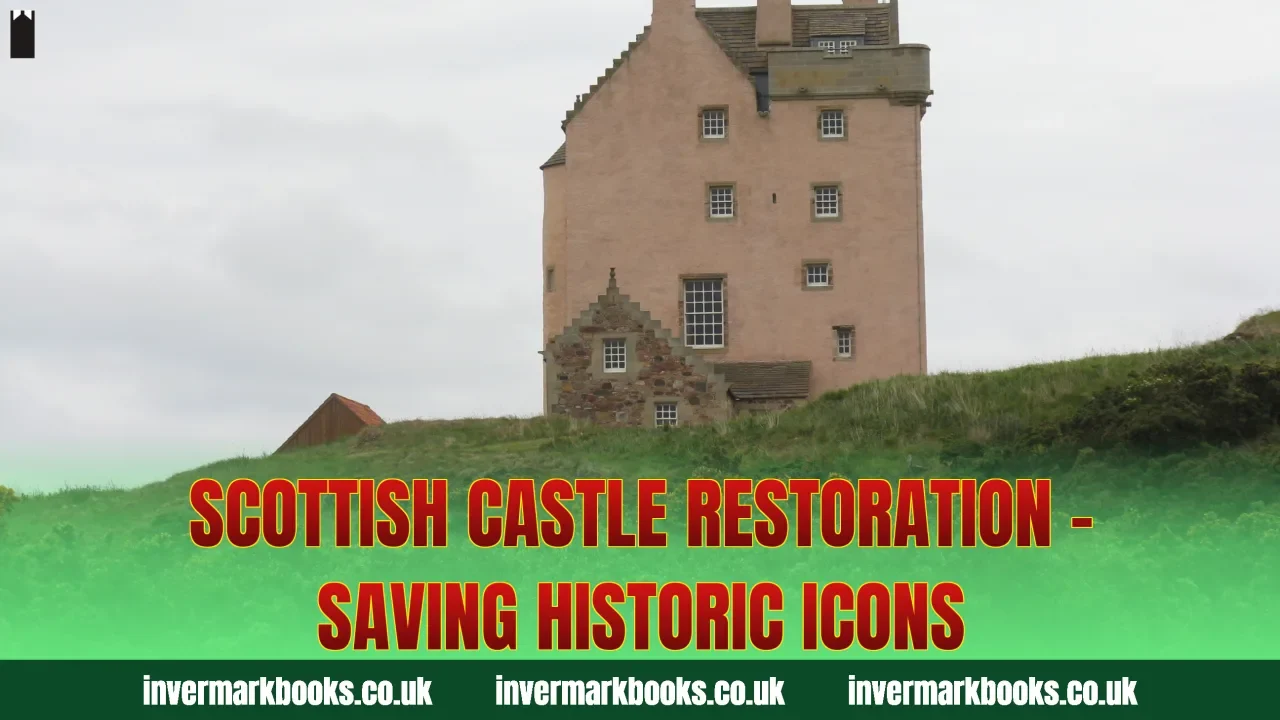
Scottish castle restoration is one of the most meaningful preservation efforts in the United Kingdom today. Hundreds of medieval fortresses across the Highlands and Lowlands face structural decay, funding shortfalls, and the slow erosion of centuries-old stonework. This article explores why these iconic landmarks matter, what restoration truly involves, and how communities, historians, and conservationists are working together to keep Scotland’s architectural soul alive for future generations.
Scottish castle restoration: Why it matters now
Scotland holds over 3,000 castles in varying states of survival, making it one of the most castle-dense nations on earth. Many of these structures predate the 15th century and carry deep cultural, military, and social histories within their crumbling walls. Without urgent intervention, a significant number face permanent, irreversible loss within the next few decades.
The scale of deterioration across Scotland
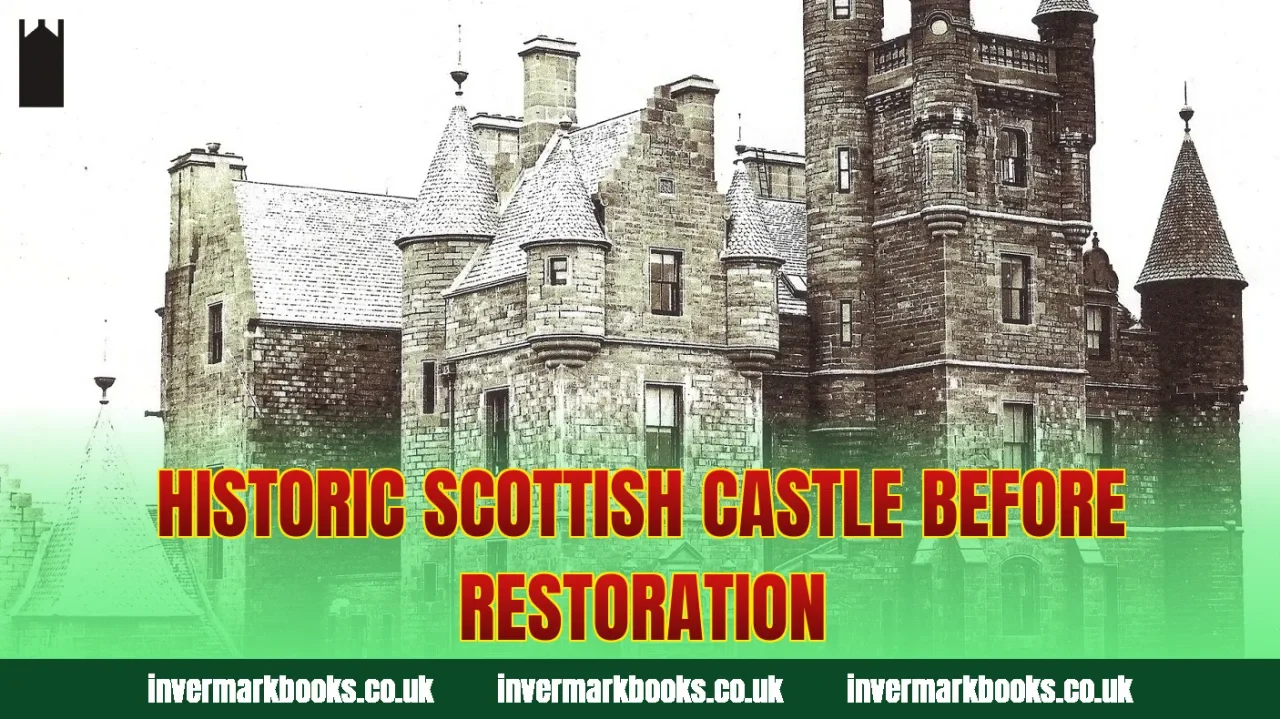
Scottish castle restoration efforts are responding to an alarming rate of structural decline seen across the country. Surveys by Historic Environment Scotland have identified hundreds of listed buildings in critical condition, with many castles rated as “at risk” due to water ingress, root damage, and neglected masonry. The sheer geographic spread of these sites makes coordinated conservation especially challenging for underfunded local authorities.
Why historic castles carry irreplaceable value
Each castle represents a specific chapter of Scottish history, from clan warfare and royal sieges to agricultural estate management and Jacobite resistance. Losing these structures means losing physical evidence of how people lived, governed, and defended their land across centuries. Architectural historians argue that no written record can fully replace what a standing wall or original fireplace communicates about its era.
Scottish castle restoration: Methods and challenges
Restoring a medieval castle is a far more complex process than standard building conservation, requiring specialists in lime mortar, traditional masonry, and period-accurate joinery. Every decision must balance structural safety with historical authenticity, and even minor material choices can affect a site’s heritage listing status. Understanding the core methods used in this field helps explain why restoration projects often span years and require substantial financial commitment.
Traditional lime mortar and stonework techniques
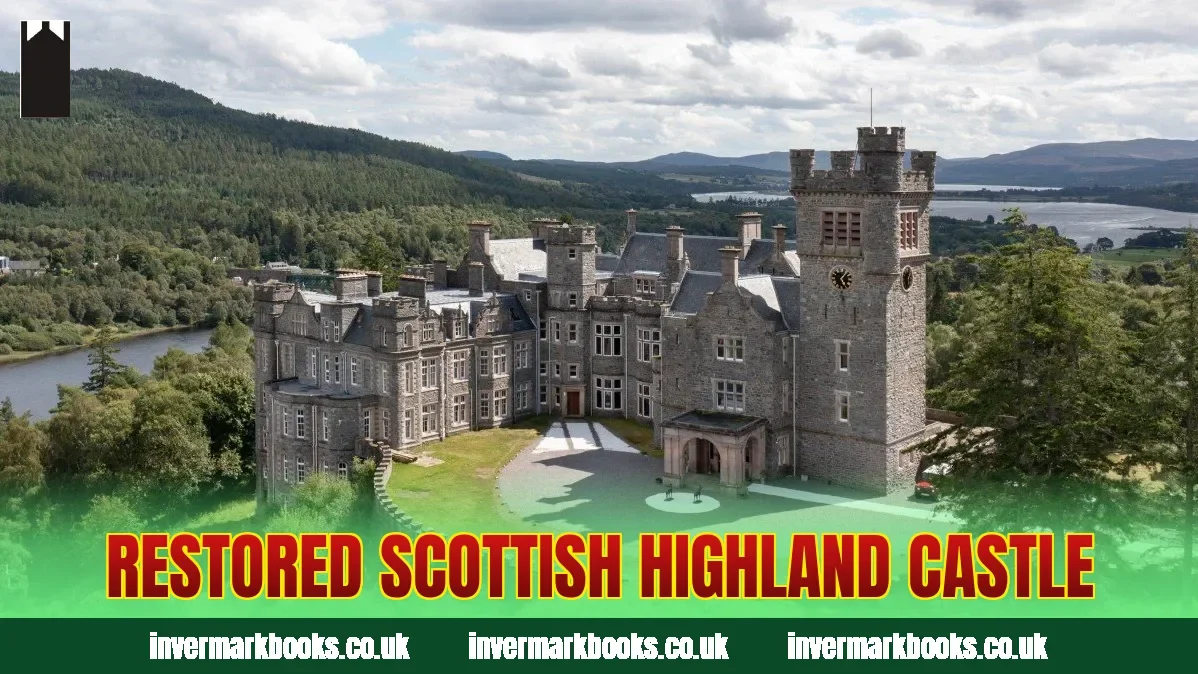
Modern cement is never appropriate for scottish castle restoration because its rigidity causes surrounding historic stone to crack and spall over time. Lime-based mortars, which were used in original construction, allow walls to breathe and flex naturally with seasonal temperature changes. Skilled masons trained in traditional methods are increasingly rare, which adds both cost and timeline pressure to every major restoration project.
Sourcing authentic materials for period accuracy
Matching original sandstone, granite, or rubble-core masonry requires sourcing from specific regional quarries that may have been dormant for generations. Conservation officers working on scottish castle restoration projects often spend considerable time identifying compatible stone types that will weather and age consistently with existing fabric. Using mismatched materials, even visually similar ones, can compromise a building’s structural coherence and its standing with heritage protection bodies.
Funding, policy, and preservation partnerships
No restoration project succeeds on enthusiasm alone, and the financial architecture behind castle conservation is as complex as the stonework itself. Public grants, private philanthropy, heritage lottery funding, and commercial development partnerships all play a role in keeping major projects viable. Understanding how these funding streams interact reveals both the ingenuity and the fragility of Scotland’s preservation ecosystem.
| Funding source | Type of support | Example beneficiaries |
|---|---|---|
| Historic Environment Scotland | Grants and technical guidance | Craigmillar Castle, Tantallon Castle |
| National Lottery Heritage Fund | Capital project funding | Dunnottar Castle access works |
| Private trusts and charities | Endowments and restricted funds | Eilean Donan, Inveraray Castle |
| Commercial development leases | Revenue through hospitality use | Dalhousie Castle, Skibo Castle |
| Crowdfunding and community campaigns | Small-scale emergency repairs | Various at-risk rural towers |
The role of Historic Environment Scotland
Historic Environment Scotland serves as the primary statutory body advising on and co-funding scottish castle restoration across the country. The organisation maintains the Buildings at Risk Register, which publicly lists structures in danger and helps attract donor attention to the most vulnerable sites. Their technical conservation teams also provide direct expertise to private owners who may lack the knowledge to manage complex heritage structures responsibly.
Tourism revenue as a conservation engine
Scotland’s castle tourism sector generates hundreds of millions of pounds annually, and a portion of that revenue can be directed back into ongoing maintenance and restoration work. Sites like Edinburgh Castle and Stirling Castle demonstrate how well-managed visitor access can fund conservation without compromising the integrity of the historic fabric. For smaller, privately held castles, developing sustainable tourism models often becomes the financial lifeline that makes long-term scottish castle restoration feasible at all.
Voices, stories, and the human side of heritage
Behind every scaffold and mortar joint in a restoration project, there are people whose lives are shaped by these ancient structures. Stonemasons, historians, local volunteers, and passionate landowners each bring a different perspective to the question of why these buildings deserve saving. Their stories add texture and urgency to what might otherwise seem like a purely technical or bureaucratic endeavour.
Craftspeople keeping traditional skills alive
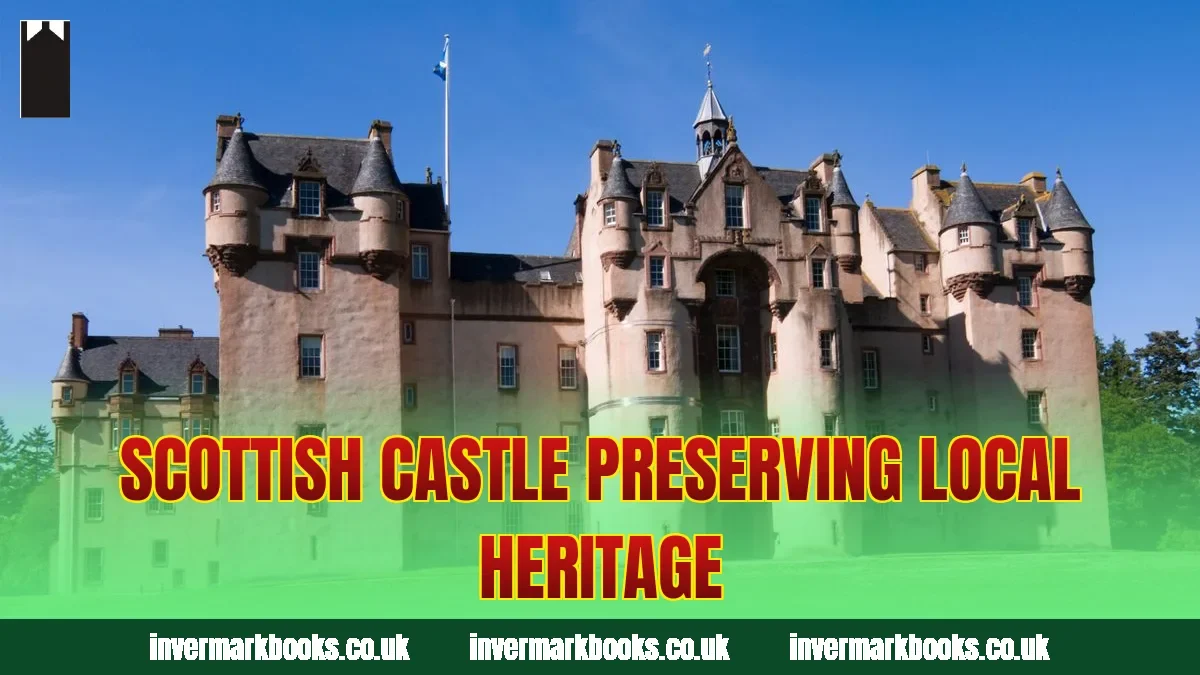
The revival of traditional building trades is one of the most encouraging outcomes of the modern scottish castle restoration movement. Apprenticeship programmes run through organisations like the Scottish Lime Centre Trust are training a new generation of masons, joiners, and plaster workers in pre-industrial techniques. These skills, once nearly extinct, are now being recognised as nationally significant and worthy of formal professional accreditation.
Landowners navigating heritage and practicality
For many castle owners, the relationship with their property is deeply personal, stretching back through generations of family stewardship and local responsibility. Balancing the financial burden of scottish castle restoration against the emotional weight of custodianship is a challenge that few outside this world fully appreciate. Increasingly, owners are sharing their experiences publicly, helping to build broader societal support for the funding and policy frameworks that make conservation work possible.
Conclusion
Scottish castle restoration represents far more than structural repair — it is an act of cultural memory, community pride, and intergenerational responsibility. The work is complex, expensive, and often invisible to the public eye, yet its outcomes shape how Scotland understands and presents its own identity to the world. If you want to explore the deeper stories behind Scotland’s historic landscapes, Invermark Books offers a thoughtful collection of titles that bring these remarkable places and their histories to life.
Xem thêm: Scottish farming traditions: Hardwork etched in pages