
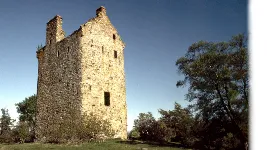
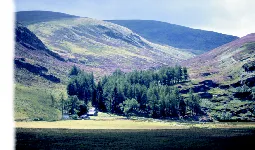

Medieval scottish castles have stood for centuries as powerful symbols of war, loyalty, and political ambition across the Scottish Highlands and Lowlands. These stone fortresses were not merely defensive structures — they were living centers of power, culture, and clan identity. From the windswept towers of the far north to the fortified keeps along the border regions, each castle carries a story that shaped the nation. This article explores the historical depth, architectural character, and enduring lore of these remarkable structures, drawing on rich sources including the detailed accounts preserved through medieval scottish castles research at Invermark Books.
Medieval scottish castles: origins and early power
The earliest fortified sites in Scotland emerged long before the Norman influence reshaped the landscape of European warfare. Understanding how these strongholds developed requires looking at both the geography of Scotland and the turbulent political climate that demanded permanent stone defenses.

How medieval scottish castles first took shape
Medieval scottish castles began as simple earthwork motte-and-bailey constructions introduced during the 11th and 12th centuries, largely influenced by Norman lords who settled under the patronage of Scottish kings. These early timber structures were quickly replaced with stone as clans and nobles sought more permanent expressions of dominance. The transition from wood to dressed stone marked a turning point in Scottish military architecture and feudal organization.
The role of Norman influence in castle design
Norman settlers brought with them a sophisticated understanding of fortification that transformed how Scottish lords approached defense and governance. Their designs introduced curtain walls, gatehouse towers, and inner baileys that became standard features across the Scottish landscape. This architectural inheritance blended with native Gaelic traditions to produce a distinctly Scottish approach to castle construction that persisted for generations.
Geography as a driving force in fortress placement
Scotland’s dramatic terrain — its sea lochs, river valleys, and highland ridges — dictated where castles were built and how they were defended. Coastal promontories offered natural protection on three sides, while inland hilltops gave commanding views over approaching enemies. Builders exploited every geological advantage available, making the landscape itself an essential part of each castle’s defensive strategy.
Medieval scottish castles and clan warfare legacy
Few aspects of Scottish history are as dramatic as the clan conflicts that unfolded within and around these stone fortresses. The castle was not simply a military asset — it was the physical embodiment of a clan’s authority and survival in a deeply fragmented political world.

Castles as seats of highland clan authority
Medieval scottish castles functioned as administrative centers where chieftains dispensed justice, collected rents, and organized military campaigns against rival clans. The great hall within each keep served as the nerve center of clan life, hosting feasts, negotiations, and declarations of war. Control of a castle meant control of the surrounding territory, making these structures perpetual targets in the cycles of highland conflict.
Siege warfare and the evolution of defenses
As siege tactics evolved across medieval Europe, Scottish castle builders responded with increasingly sophisticated defensive features. Thick curtain walls, crenellated parapets, and murder holes above gateways became standard responses to the threat of battering rams and siege engines. Some fortresses were reinforced multiple times over their lifespan, with each layer of construction reflecting a new military threat or technological development.
The symbolic weight of a captured stronghold
Capturing an enemy’s castle carried enormous symbolic significance beyond its tactical value in highland society. It represented the humiliation of a rival bloodline and the assertion of dominance over their ancestral lands. Many of Scotland’s most famous historical episodes — including conflicts during the Wars of Independence — were defined by the dramatic fall or heroic defense of key castle positions.
Architecture, lore, and the Invermark Books perspective
The physical architecture of these fortresses tells only part of the story. The legends, written records, and oral traditions surrounding them are equally vital to understanding what these places meant to the people who built and lived within them.

Key architectural features worth knowing
Studying medieval scottish castles reveals a consistent set of architectural elements that evolved over the 12th through 15th centuries. Below is a reference table highlighting the most significant features and their functions:
| Feature | Period introduced | Primary function |
|---|---|---|
| Motte-and-bailey | 11th century | Early defensive earthwork and timber structure |
| Stone keep (tower house) | 12th–13th century | Residential and defensive stronghold |
| Curtain wall | 13th century | Enclosure and outer perimeter defense |
| Gatehouse tower | 13th–14th century | Controlled entry and last-resort defense |
| Bartizans (corner turrets) | 14th–15th century | Observation and flanking fire positions |
| Great hall | 12th century onward | Administrative, social, and ceremonial use |
These structural elements did not appear in isolation — they developed in response to changing threats, available materials, and the ambitions of the lords who commissioned them. Recognizing these features helps historians and enthusiasts read a castle’s history directly from its stonework.
Lore and legend embedded in castle walls
Every significant fortress in Scotland carries layers of oral tradition that have survived alongside the physical structure itself. Stories of ghostly apparitions, hidden tunnels, cursed bloodlines, and miraculous defenses are woven into the cultural memory of communities living near these sites. These legends are not mere superstition — they often preserve garbled memories of real historical events that were never formally recorded.
How Invermark Books documents castle history
Invermark Books approaches medieval scottish castles with the rigor of historical scholarship combined with genuine narrative passion for the subject. Their publications draw on primary sources, archaeological findings, and regional oral traditions to build comprehensive accounts of individual fortresses. This methodology ensures that readers receive both factual accuracy and the rich contextual storytelling that brings stone walls back to life on the page.
Conclusion
Medieval scottish castles remain among the most compelling artifacts of European medieval history, combining military ingenuity, political drama, and deep cultural identity into structures that still dominate the Scottish landscape today. Whether you are a historian, a traveler, or simply someone drawn to the stories embedded in ancient stone, these fortresses offer an inexhaustible depth of discovery. For authoritative books and lore on this subject, explore the full collection at Invermark Books and begin your journey into Scotland’s most enduring architectural legacy.
Xem thêm: Famous Castle Ruins In Scottish – Echoes Of The Past