
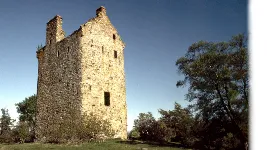
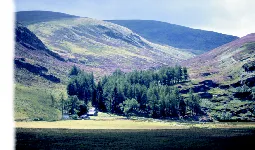
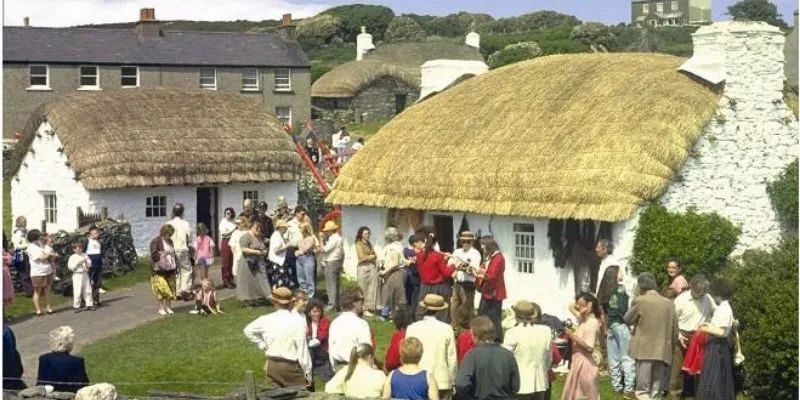
Highland rural communities low-key threw some of the most vibrant, chaotic social gatherings that still live rent-free in Scottish cultural lore. The rare out-of-print music folios at invermarkbooks prove that a traditional village dance was a non-negotiable part of keeping the local spirit alive. Skip the boring demographic studies—we are leaning straight into the instruments, the laughter, and the high-energy aesthetic of old glen celebrations.
The role of highland rural communities in global book history
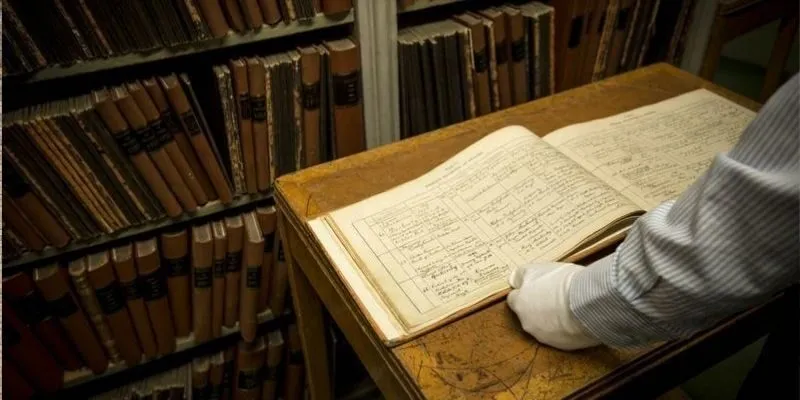
Across centuries, highland rural communities have produced devotional texts, clan records, agricultural manuals, and travel narratives that now rank among the rarest printed sources. Many of these works survived only in small local print runs or in family libraries, making them difficult to trace and verify. At invermarkbooks, we focus on identifying these overlooked materials and bringing them into a coherent, research‑ready framework. Our catalog reflects both the literary richness and the documentary power of upland cultures.
Why upland cultures generate rare and unique materials
Mountain settlements often developed printing and record‑keeping practices later than lowland cities, which led to short, experimental editions with limited circulation. Climatic isolation also protected many bindings and manuscripts from urban fires and wars, while at the same time restricting their visibility. This combination of scarcity and preservation makes sources from highland rural communities especially valuable to historians and collectors. Each surviving book or pamphlet can illuminate regional law, ritual, or land use in ways that no centralized archive can match.
Key themes in highland source collections
Materials linked to upland life often revolve around land tenure, customary law, and seasonal agriculture. You will also find devotional literature, hymnals, and catechisms adapted to local languages and dialects, which are crucial for linguistic research. Travel accounts and early ethnographies describe highland rural communities through the eyes of visitors, while locally authored texts reveal internal debates about modernization and migration. Together, these perspectives provide a layered, critical view of social change over several centuries.
Why collectors and institutions focus on these regions
Serious collectors recognize that upland societies are underrepresented in mainstream publishing history, which creates both scholarly and investment potential. Libraries and museums seek early imprints and manuscripts that fill gaps in national narratives, especially for marginalized regions. Because documentation from highland rural communities often exists in single or very few copies, each acquisition can transform a research program. Well‑provenanced items also support exhibitions on climate, land rights, and cultural resilience.
Curated collections of highland rural communities at invermarkbooks
The core of our work lies in building coherent, verifiable collections that scholars can trust and collectors can value. Our team at invermarkbooks tracks provenance chains, consults regional experts, and cross‑checks bibliographic records from multiple national databases. For highland rural communities, this means assembling materials that span genres, languages, and formats, while maintaining rigorous standards of authenticity. The table below illustrates how we structure and describe these holdings for practical use.
| Collection focus | Typical date range | Primary formats | Research value |
| Clan and family records | 1650–1900 | Manuscript books, legal folios, private printings | Genealogy, land disputes, social hierarchy in highland rural communities |
| Religious and devotional works | 1700–1950 | Hymnals, catechisms, sermon collections | Language change, literacy, local theology and ritual practice |
| Agrarian and environmental texts | 1800–1975 | Farming manuals, weather diaries, forestry reports | Climate history, sustainable land use, crop adaptation |
| Travel and ethnographic accounts | 1750–2000 | Travelogues, photo albums, field notebooks | External perceptions of remote upland life, tourism, development |
Building a research‑ready private library
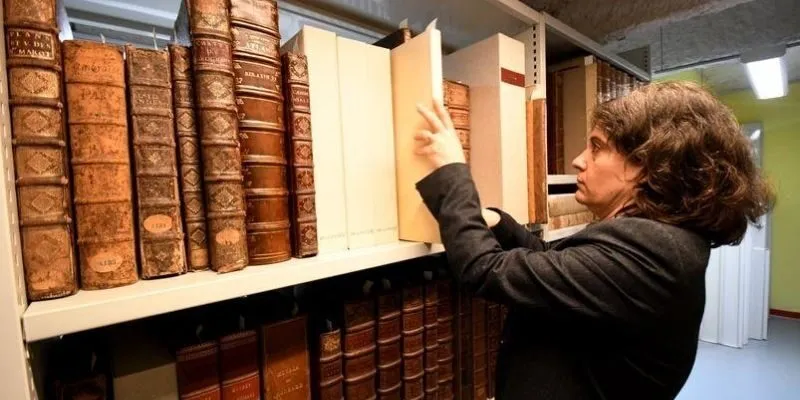
Many collectors now aim to create focused holdings that mirror institutional research collections. Our specialists help you define a theme within highland rural communities, such as education, religious reform, or land use, and then source items that document that theme in depth. We prioritize copies with strong provenance, marginalia, or association inscriptions, which add interpretive value. Over time, your library becomes a curated archive rather than a loose assortment of volumes.
Supporting institutional acquisitions and deaccessions
Universities and heritage organizations often need guidance when they expand or refine their upland holdings. invermarkbooks offers collection mapping, gap analysis, and acquisition strategies grounded in current research trends. We also advise on responsible deaccessioning, helping institutions move duplicate or out‑of‑scope items into private hands. This approach keeps sources from highland rural communities accessible while aligning each collection with its stated mission.
Ethical and legal considerations in sourcing
Responsible collecting requires constant attention to provenance, export controls, and community expectations. We review ownership histories, check sanction lists, and respect any restrictions associated with sensitive materials, particularly those tied to indigenous or minority highland rural communities. When appropriate, we facilitate dialogue with local stakeholders or archives. This ensures that acquisitions strengthen scholarship without undermining cultural rights or legal frameworks.
Specialist services for highland rural communities materials
Beyond bookselling, invermarkbooks provides a suite of professional services that support the long‑term care and interpretation of upland sources. Clients working with materials from highland rural communities often require tailored appraisal, conservation advice, and publishing support. Our team combines bibliographical expertise with current digital standards, so that historic collections can be integrated into modern research infrastructures. Each service is documented, transparent, and aligned with international best practice.
Appraisal, valuation, and collection audits
We conduct formal appraisals for private and institutional collections, using recent auction data, dealer records, and specialist bibliographies. For holdings focused on highland rural communities, we evaluate rarity, condition, and documentary significance, not only market visibility. Collection audits identify uncatalogued items, misattributions, or hidden strengths that warrant further investment. Detailed reports support insurance, estate planning, or grant applications.
Conservation and environmental guidance
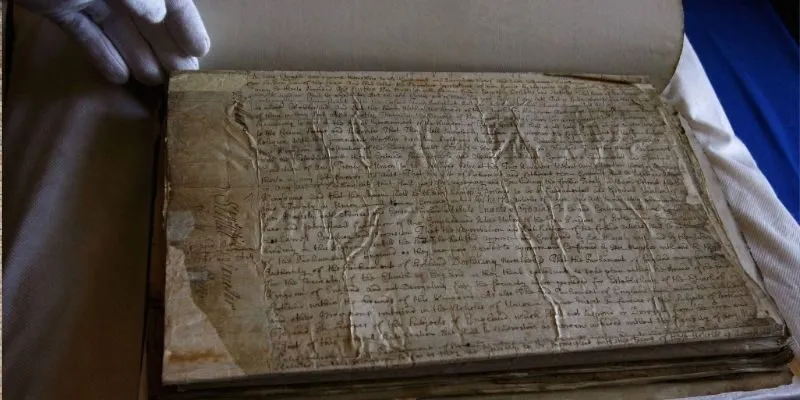
Books and manuscripts from upland regions often show distinctive patterns of wear, such as smoke staining or damp damage from stone dwellings. Our conservation partners advise on stabilization, storage climate, and boxing or rebinding options that respect original structures. We help clients create environmental baselines, especially when they manage sizeable holdings on site. Proper care today ensures that sources documenting highland rural communities remain legible for future scholarship.
Publishing, digitization, and rights management
Many owners wish to share rare holdings through facsimile editions, critical reprints, or digital platforms. We guide you through rights clearance, editorial planning, and technical standards for imaging and metadata. When materials concern highland rural communities, we encourage contextual introductions and community consultation, so that new editions do not strip away local meaning. Our goal is to balance open access with responsible stewardship of sensitive heritage.
>>> Read More: Scottish Farming Traditions: Hardwork Etched in Pages
Conclusion
As research interest in highland rural communities accelerates, the need for trustworthy sources and ethical curation grows more urgent. By working with invermarkbooks, you gain access to a carefully assembled inventory, specialist advisory services, and a network of scholars and conservators. Whether you are building a focused private library or expanding an institutional archive, we help you anchor upland histories in tangible, verifiable materials. Together, we can ensure that the printed and manuscript legacy of these landscapes remains accessible, intelligible, and secure for generations to come.