
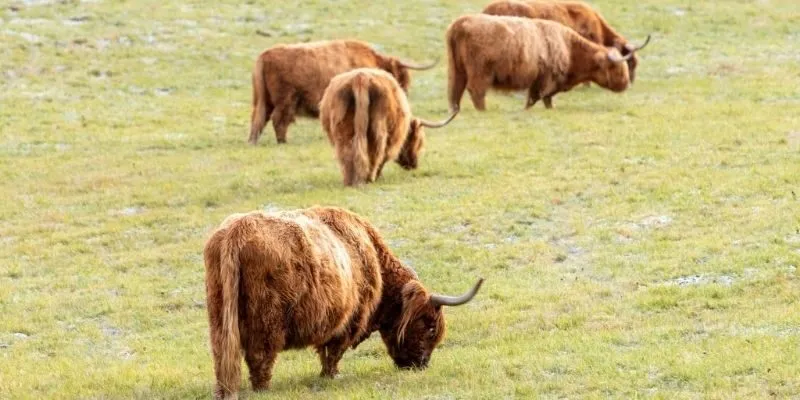
Scottish farming traditions are responsible for shaping the iconic, moody landscapes of the glens we love to photograph today. The rare botanical and livestock records at invermarkbooks reveal the epic survival stories of the shaggy highland cows and ancient grains that kept villages alive through brutal winters. Skip the boring modern farming statistics—we are tracking the raw grit of Scotland’s early animal herders.
The legacy of scottish farming traditions in print
The story of rural Scotland is preserved not only in fields and stone walls but also in ledgers, almanacs, and privately printed memoirs. At invermarkbooks, we treat these sources as cultural artefacts that document changing techniques, ownership patterns, and local customs. Through curated catalogues and bespoke research, we help readers trace how traditional practices evolved across regions and centuries.
From clan estates to improvement farming
Many early works on scottish farming traditions were produced for clan chiefs and estate factors, recording rents, rotations, and tenant obligations. Later, “improvement” writers promoted drainage, enclosure, and new crop varieties, often in limited print runs. Today these volumes provide rare insight into how economic pressure, technology, and law reshaped the countryside, making them essential for historians and serious collectors alike.
Documenting crofting and small-scale agriculture
Crofting literature captures the resilience and constraints of small holders working marginal land. Pamphlets on shared grazing, kelp gathering, and rotational runrig systems show how scottish farming traditions balanced subsistence with community obligations. invermarkbooks prioritises such overlooked materials, including parish surveys, local society reports, and privately printed memoirs that are often absent from mainstream catalogues.
Oral memory, folklore and the written record
Many aspects of rural life were once transmitted orally, yet 19th and 20th century folklorists began to fix these stories in print. Collections of seasonal customs, droving songs, and planting rites now serve as written witnesses to intangible practices. By pairing these volumes with technical farming texts, invermarkbooks enables readers to see how belief, ritual, and daily labour intersected on Scottish farms.
Collecting books on scottish farming traditions at invermarkbooks
Building a focused collection requires more than chance finds; it demands bibliographic knowledge and market awareness. Our team tracks auction records, estate dispersals, and specialist lists to source material that illuminates scottish farming traditions from multiple angles. We support both new and seasoned collectors in shaping coherent libraries that reflect their research or personal interests.
Key categories for serious rural collectors
Important works on scottish farming traditions span technical handbooks, government surveys, and local printings. Collectors often combine early improvement tracts with crofting reports, land court records, and agricultural society proceedings. At invermarkbooks, we map these categories for clients, highlighting pivotal titles, variant editions, and association copies that add provenance value and interpretive depth.
Notable themes in rare Scottish agricultural titles
Recurring themes include land reform, enclosure debates, and the impact of railways on livestock and grain markets. Books on soil science, drainage, and seed selection reveal how farmers adapted to harsh climates while preserving core elements of scottish farming traditions. We also see increasing attention to women’s labour, seasonal migration, and environmental change in later rural studies.
Condition, provenance and market trends
For collectors of scottish farming traditions, condition and provenance can transform a common title into a cornerstone piece. Marginalia by estate managers, ownership stamps from agricultural colleges, or bindings commissioned by lairds all add research value. Our specialists at invermarkbooks monitor pricing trends and advise when to prioritise rarity, association, or physical state in acquisition decisions.
| Category | Typical date range | Research value for scottish farming traditions |
| Estate manuals & improvement tracts | 1750–1850 | Detail early enclosure, crop rotation, and landlord–tenant relations. |
| Crofting & land court reports | 1880–1930 | Document smallholder rights, land reform, and community structures. |
| Agricultural society proceedings | 1820–1950 | Track innovations in breeding, machinery, and regional best practice. |
| Folklore & rural life studies | 1890–present | Capture seasonal customs, belief systems, and everyday farm culture. |
Researching scottish farming traditions with specialist support
Researchers often need more than access to a single rare volume; they require context, comparison, and verification. invermarkbooks offers tailored support for academic projects, family history, and museum exhibitions that engage with scottish farming traditions. We combine bibliographic research with careful source evaluation to help clients interpret complex rural archives.
Genealogy, estates and rural family histories
Many visitors investigate ancestors who worked as tenants, shepherds, or estate staff. By correlating rental rolls, farm directories, and local histories, we help reconstruct the agricultural environment that shaped their lives. This approach situates family stories within wider scottish farming traditions, revealing how policy changes or market shocks affected specific communities.
Curating exhibitions and educational resources
Museums, archives, and schools increasingly seek authentic material to illustrate rural history. invermarkbooks assists in selecting titles, images, and excerpts that convey the diversity of scottish farming traditions without oversimplification. We advise on display copies versus conservation copies, ensuring that public engagement and preservation goals remain in balance.
Verification, appraisal and rare book services
Accurate description is crucial when handling scarce works on scottish farming traditions. Our team provides appraisal, collation, and authenticity checks for private owners and institutions. This includes identifying later reprints, confirming completeness, and assessing the significance of annotations or inserted documents that may alter a book’s scholarly value.
>>> Read More: Highland Rural Communities: The Rhythm of Village Life
Conclusion
By focusing on printed sources, invermarkbooks helps ensure that scottish farming traditions remain accessible to future readers, not only as nostalgic images but as rigorously documented histories. Whether you collect, research, or simply admire rural Scotland, our curated catalogues and specialist services offer a gateway into this rich field. We invite you to explore, enquire, and build your own connection to the enduring legacy of the Scottish countryside.