
Scottish folklore encompasses a fascinating world of shape-shifting creatures, ancient curses, and heroic highland guardians. Through the active publication of beautifully restored historical texts, Invermark books offers global readers an authentic window into this magical oral heritage.
The elemental creatures within Scottish folklore
The imaginative framework of northern mythology depends heavily on supernatural entities that inhabit the rugged regional landscapes.
The shape-shifting kelpies of the deep freshwater lochs
Scottish folklore frequently warns travelers about treacherous water spirits that take the physical form of magnificent wild horses. These deceptive entities lure unsuspecting victims onto their backs before plunging deep into the dark waters to consume them completely. The terrifying legend served as a practical societal warning to keep adventurous children away from dangerous, unmonitored aquatic environments.
The mischievous selkies of the northern coastal regions
Marine mythologies describe gentle creatures that possess the unique ability to transform from seals into beautiful humans by shedding their skins. Scottish folklore contains numerous romantic yet tragic stories of individuals who capture these delicate skins to force a marine spirit into marriage. These poignant narratives typically conclude with the supernatural being discovering their hidden skin and returning eagerly to the vast ocean.
The ancient prophecies of the legendary highland seers
Mystical individuals possessed the unique gift of second sight, allowing them to accurately predict major political battles and clan downfalls centuries in advance. Scottish historical frameworks embrace these extraordinary prophets as essential societal figures who guided kings and military commanders during highly volatile historical eras. Their remarkable visions were passed down meticulously through generations, forming an invaluable component of regional cultural identity.
The profound impact of Scottish folklore on global arts
The imaginative narratives developed in isolated northern valleys have traveled far beyond the geographic borders of the British Isles.
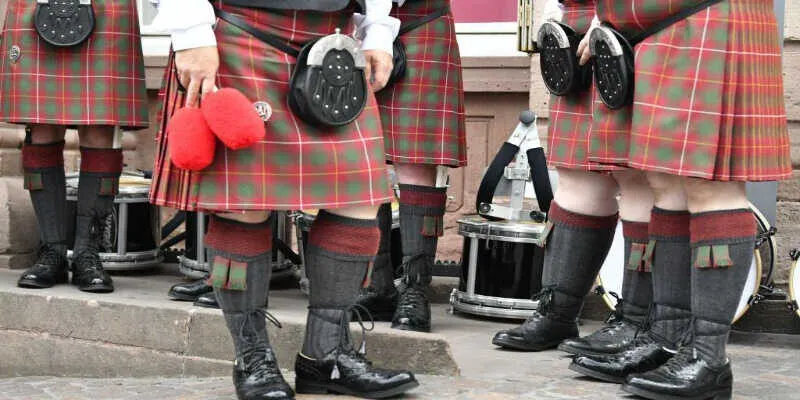
The regular appearance of northern myths in modern cinema
International film studios frequently adapt traditional legends to create immersive fantasy worlds that captivate diverse mainstream cinema audiences globally. Scottish folklore provides a rich tapestry of dramatic source material, featuring unique mythical beasts, heroic warriors, and enchanted highland landscapes. These cinematic representations effectively introduce ancient cultural narratives to younger generations who may be unfamiliar with traditional literature.
The enduring influence of local myths on classical literature
Prominent historical authors drew immense inspiration from the haunting tales told by rural residents around communal hearths. Scottish folklore heavily infused the dark atmospheric themes found in the iconic poems of Robert Burns and the romantic novels of Walter Scott. These celebrated masterpieces successfully established a global literary appreciation for the unique imaginative traditions of the northern territories.
The preservation of musical ballads within traditional folk music
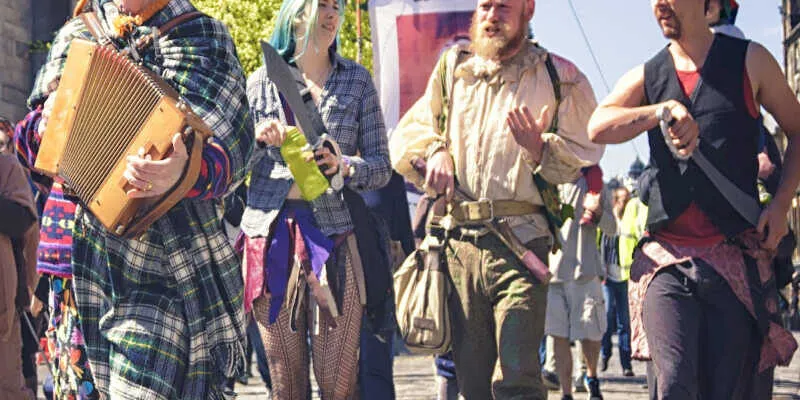
Acoustic musicians keep ancient legends vibrant by performing traditional songs that describe historical battles and supernatural encounters. Scottish folklore remains deeply embedded in the melodic structures, haunting violin arrangements, and poetic lyrics shared during lively community festivals. These continuous musical performances guarantee that the emotional essence of ancestral storytelling is never lost to modern homogenization.
The social functions of mythology in traditional communities
Supernatural narratives served as much more than simple entertainment for early populations living in isolated rural settlements. These complex stories provided essential moral frameworks, preserved historical community memories.
Establishing strict behavioral rules for younger generations
Frightening stories about hidden forest monsters and deceptive water spirits effectively prevented children from wandering into dangerous, isolated wilderness areas alone. Scottish folklore utilized these vivid metaphorical warnings to teach young community members about the vital importance of caution and personal safety.
Explaining mysterious natural phenomena and changing weather patterns
Early societies lacked modern scientific instruments to understand sudden environmental transformations, severe winter storms, or unexpected crop failures. Scottish folklore created elaborate mythologies featuring powerful winter deities, such as the Cailleach, to explain the cyclical arrival of freezing weather.
Preserving historical clan achievements through symbolic allegories
Major historical conflicts and remarkable acts of military bravery were frequently romanticized and transformed into grand mythological legends over time. Scottish folklore allowed clans to immortalize their ancestral heroes by attributing supernatural strength or divine protection to prominent historical figures.
Modern methods for safeguarding the legacy of Scottish folklore
Preserving fragile oral traditions against the rapid expansion of global digital media requires innovative conservation strategies. Contemporary organizations work diligently to ensure that these ancient imaginative frameworks remain relevant and accessible within modern society.
Developing extensive digital audio archives of rural storytellers
As older generations of native speakers pass away, unwritten regional variants of classical myths face the immediate threat of permanent erasure. Scottish folklore conservationists prioritize field research initiatives to record the spoken memories, unique dialects, and local legends of elderly rural citizens. These invaluable audio files are carefully cataloged and stored within secure, public-access digital repositories for future academic analysis.
Transcribing these spoken narratives into multiple languages allows international scholars to study the cross-cultural connections within European mythology. Digital archiving effectively democratizes access to these legendary stories while protecting the original recordings from physical degradation.
Integrating traditional mythological narratives into school curricula
Introducing regional legends into primary classrooms remains the most effective strategy for cultivating lifelong cultural appreciation among young citizens. Scottish folklore is actively utilized by modern educators to teach creative writing, historical analysis, and traditional performing arts to young students. By interacting with these ancient stories early, children develop a profound emotional connection to their unique geographical heritage.
Organizing annual school storytelling competitions encourages students to research local family legends and present them creatively to their peers. These educational initiatives successfully transform passive historical data into a vibrant, living component of modern youth culture.
Supporting sustainable cultural tourism at legendary landmarks
Millions of international travelers visit the country each year to explore the physical locations associated with famous mythological events. Scottish folklore enhances the economic viability of remote historic sites, ancient stone circles, and dramatic castle ruins through guided storytelling tours. This responsible tourism model generates essential financial revenue for rural hospitality businesses while funding the physical conservation of the landmarks.
Training local guides to deliver authentic, historically accurate narratives prevents the commercial distortion of sacred regional myths. This careful management ensures that the true spirit of northern mythology is respected by visitors from around the world.
Conclusion
Scottish folklore represents a magnificent intellectual inheritance that requires constant vigilance, deep public respect, and collective effort to survive. By archiving rare historical narratives and celebrating authentic folk customs, Invermark Books guarantees that the unique wisdom of past generations remains accessible today. Supporting these continuous conservation initiatives allows modern global societies to stay deeply connected with the authentic roots of an inspiring history.