
Scottish historical traditions define the cultural core of a proud nation that has successfully guarded its memories across countless generations. Through the active promotion of authentic literary publications, Invermark books helps modern readers reconnect with these enduring cultural frameworks.
The ancestral roots of Scottish historical traditions
The social foundations of northern history rely heavily on inherited customs that bind communities together across multiple eras. Exploring these unique dynamics reveals how ancient cultural frameworks continue to govern modern artistic expressions today.

The legendary development of the highland clan system
Scottish historical traditions were originally forged through the complex alliances and intense rivalries of the medieval highland clan networks. These powerful family groups established intricate social hierarchies, unique territorial boundaries, and deep personal loyalties that defined regional politics. Today, the symbolic remnants of this remarkable system are celebrated globally through vibrant clan gatherings and authentic heraldic displays.
The preservation of ancient gaelic storytelling methods
The preservation of original folk narratives depends deeply on oral transmission across multiple generations of native speakers. Scottish historical traditions find their most profound expressions in the haunting myths, legendary heroic epics, and local fairy folklore of the western islands. Dedicated cultural organizations work tirelessly to record these fragile spoken accounts before they disappear from modern memory completely.
The role of traditional textiles in family identity
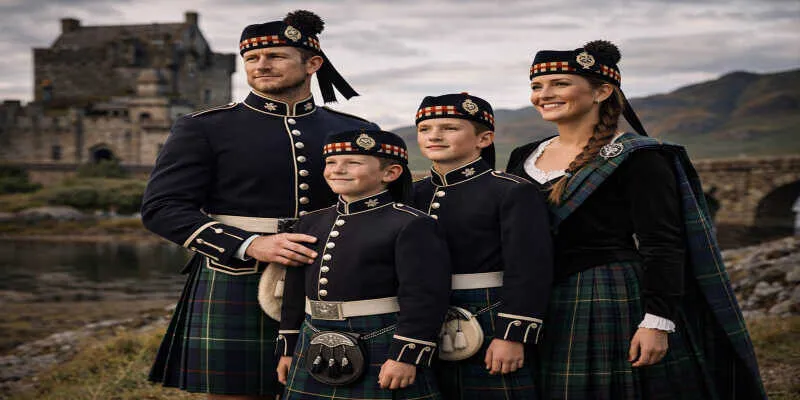
Woven wool patterns known as tartans serve as a vibrant visual representation of regional lineage and military history. Scottish historical traditions dictate specific color combinations and symmetrical arrangements that accurately identify distinct families and historic northern regiments. Maintaining the historical accuracy of these beautiful textiles requires specialized knowledge from master weavers who understand traditional dye techniques.
The structural elements of traditional northern celebrations
Festive social gatherings provide a vital platform for the continuous enactment of cultural rituals and community bonding exercises. These legendary events allow historical practices to thrive naturally within a rapidly changing modern global society.
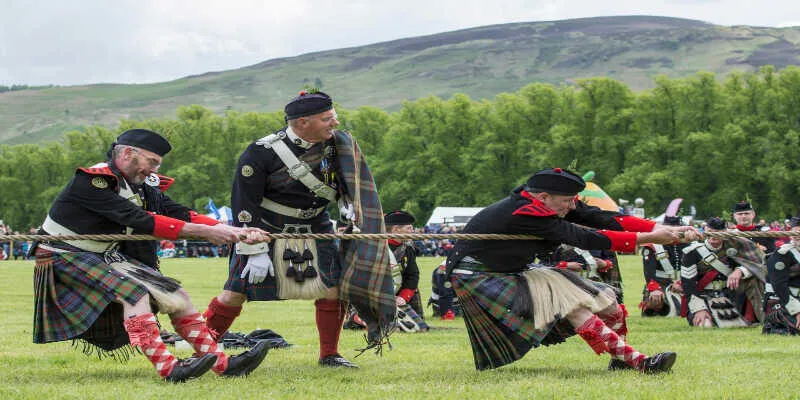
The competitive spirit of the annual highland games
Athletic competitions have brought rural communities together for centuries to test physical strength, endurance, and agility through traditional sports. Scottish historical traditions come alive during these popular outdoor gatherings through unique events like the caber toss and hammer throw. These festive celebrations draw thousands of international spectators who wish to witness authentic historical athletics performed in traditional dress.
The musical heritage of bagpipes and military drumming
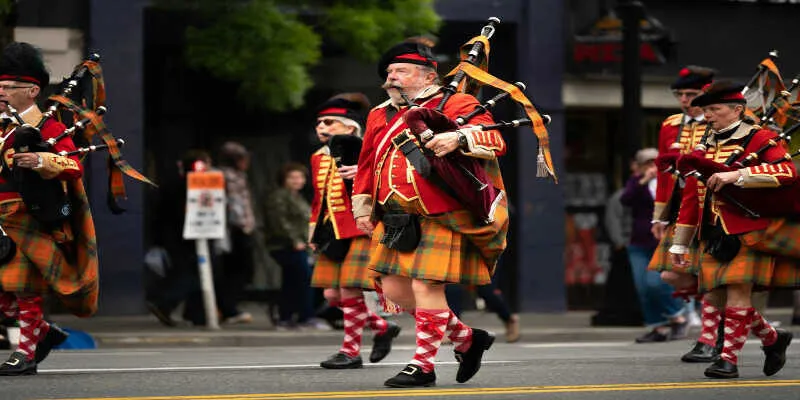
Powerful acoustic instruments have served as the emotional heartbeat of northern military forces and celebratory gatherings throughout history. Scottish historical traditions recognize the great highland bagpipe as a sacred instrument capable of evoking deep feelings of pride or sorrow. Modern pipe bands maintain strict stylistic standards to preserve the authentic compositions created by legendary historical composers.
The communal warmth of festive ceilidh dancing gatherings
Traditional interactive dance assemblies foster an immediate sense of true belonging and mutual joy among participants of all generations. Scottish historical traditions encourage local residents to gather around acoustic musicians to perform intricate, high-energy group dances that require precise footwork. These inclusive social gatherings remain an essential component of weddings, harvest celebrations, and modern community festivals.
The profound international footprint of Scottish historical traditions
The cultural values developed in these remote northern landscapes have traveled far beyond the geographical boundaries of the British Isles. These far-reaching practices continue to shape the personal identities of millions of individuals living across diverse modern continents.
Strengthening the ancestral identity of global diaspora groups
Emigrants who left their northern homeland carried their precious cultural memories across oceans to establish vibrant new settlements. Scottish historical traditions provide international descendants with a clear sense of historical grounding and ancestral pride in their current multi-cultural environments. By participating in regional heritage clubs, these individuals actively maintain a living connection to the physical landscapes of their forefathers.
Discovering family lineages allows distant relatives to build a coherent understanding of their personal historical roots. These emotional journeys often inspire global communities to fund crucial preservation projects within the original homeland.
Enriching modern classical literature and folklore studies
The dramatic history and rugged topography of the country have provided immense inspiration for world-renowned writers and historians. Scottish historical traditions heavily influenced the romantic novels of Sir Walter Scott and the moving lyrical poetry of Robert Burns. These iconic literary works introduced international reading audiences to the authentic spirit, unique dialects, and brave history of the northern people.
University departments worldwide continue to analyze these historical texts to understand the evolution of regional identities. The continuous academic study of these narratives guarantees that unique cultural perspectives are never lost to history.
Contemporary strategies for guarding precious cultural knowledge
Preserving ancient memories requires modern societies to develop innovative methods that protect delicate historical resources from modern degradation. These active conservation efforts ensure that future generations can appreciate the authentic achievements of their ancestors.
Digital preservation of rare historical manuscripts and maps
Fragile paper documents and ancient parchment scrolls are highly susceptible to environmental decay and physical wear over time. Scottish historical traditions are being carefully safeguhed through advanced high-resolution digital scanning initiatives managed by national archives. This modern technological approach allows global researchers to examine rare historical records thoroughly without touching the delicate physical artifacts.
Online databases make these invaluable historical assets accessible to public schools and independent researchers worldwide. Digital archiving effectively democratizes access to historical knowledge while protecting physical materials from unnecessary destruction.
Integrating historical knowledge into modern school curricula
Educating younger generations about regional history remains the most effective method for ensuring long-term cultural continuity and respect. Scottish historical traditions are actively introduced into elementary classrooms through interactive historical reenactments, traditional music lessons, and folklore analysis. By engaging children early, educators successfully cultivate a brand new generation of passionate and knowledgeable cultural guardians.
School projects that explore local history help children develop a profound appreciation for their immediate physical surroundings. These educational foundations encourage young citizens to participate actively in regional preservation societies as they mature.
Conclusion
Scottish historical traditions represent a magnificent cultural inheritance that requires constant vigilance, deep respect, and collective global effort to survive. By archiving rare historical narratives and celebrating authentic folk customs, Invermark Books guarantees that the unique wisdom of past generations remains accessible today. Supporting these continuous conservation initiatives allows modern global societies to stay deeply connected with the authentic roots of an inspiring history.