
Traditional Scottish communities preserve the profound ancestral essence of a vibrant historic nation in the modern world. Through the careful preservation of authentic local histories, Invermark books supports the global dissemination of invaluable knowledge regarding these unique societies.
The cultural lifestyle of traditional Scottish communities
The social foundations of northern settlements rely heavily on inherited customs that bind families together across multiple generations. Exploring these unique dynamics reveals how historical frameworks continue to govern modern daily routines.

The historical evolution of the highland clan system
Traditional Scottish communities historically organized their entire social and political hierarchies around powerful kinship groups known as clans. This ancestral system fostered an intense sense of collective loyalty, shared territorial responsibility, and mutual defense among family members. Today, the enduring symbolic heritage of these ancient groups remains beautifully preserved through regional gatherings and distinctive woven tartans.
Preserving the expressive gaelic linguistic tradition
The native language serves as a crucial repository for the unique worldview, poetic expressions, and local folklore of the northern people. Traditional Scottish communities in the remote western islands actively utilize the Gaelic tongue during daily conversations and formal public events. This persistent linguistic dedication effectively protects centuries of beautiful oral literature from fading into complete modern obscurity.
Folk music and traditional storytelling arts
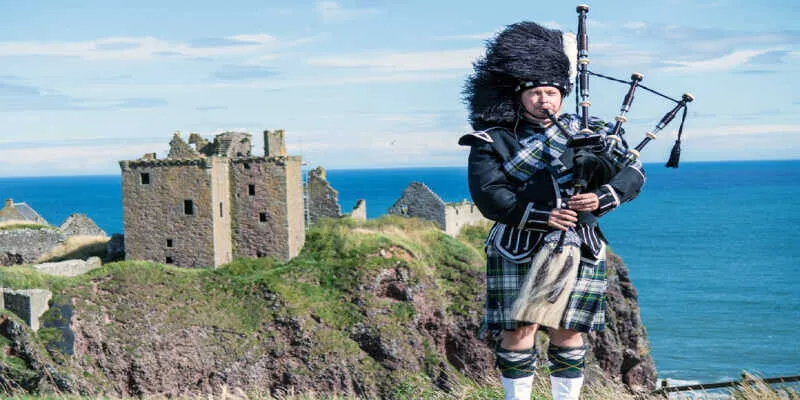
The gathering of residents around a communal hearth remains a fundamental practice for passing down historical narratives and musical styles. Traditional Scottish communities preserve ancient fiddle melodies, rhythmic bagpipe arrangements, and mesmerizing supernatural legends through regular local ceilidh celebrations. These festive social events actively reinforce community solidarity while keeping historical memories vibrant for younger generations.
Sustaining traditional Scottish communities through local industries
Economic survival in the rugged northern terrain demands a harmonious relationship between human industry and the natural environment. The traditional occupations of the residents ensure that regional financial systems remain highly sustainable and culturally authentic.

The enduring practice of small-scale crofting
This unique system of small-scale land holding represents a sustainable agricultural method that has survived for many centuries. Traditional Scottish communities rely on cooperative crofting practices to manage shared pastures, cultivate hardy crops, and raise native livestock breeds. This profound agricultural dedication successfully protects the delicate rural landscape while fostering a deep communal reliance among neighboring families.
Handmade textile manufacturing and tweed weaving
The production of high-quality woolen textiles represents a world-renowned craft that requires specialized knowledge passed down through generations. Traditional Scottish communities maintain small cottage industries where master weavers meticulously create authentic fabrics using traditional mechanical looms. This thriving artistic industry provides essential financial revenue to rural families while strictly maintaining historical production standards.
The historical significance of coastal maritime fishing
Navigating the turbulent northern waters has provided a reliable source of nutrition and economic commerce for countless generations. Traditional Scottish communities established along the rugged coastlines continue to operate small-scale commercial fishing vessels using sustainable harvesting methods. This difficult maritime vocation directly supports local seafood markets while preserving the unique seafaring lore of the region.
The profound global impact of traditional Scottish communities
The social customs developed in these remote northern settlements have traveled far beyond the geographic boundaries of the nation. These far-reaching historical values continue to influence diverse international societies across several continents today.

Strengthening the identity of international diaspora groups
Millions of individuals living across oceans trace their ancestral lineage directly back to these small northern settlements. Traditional Scottish communities inspire international descendants to actively explore family histories, wear ancestral tartans, and participate in global Highland games. This strong emotional connection helps individuals build a coherent sense of personal identity within a rapidly changing world.
The preservation of detailed genealogical charts allows distant relatives to reconnect with the physical landscapes of their ancestors. These meaningful journeys of discovery often result in lifelong support for rural cultural heritage initiatives.
Promoting sustainable regional cultural tourism
The unique lifestyle and historic architecture of rural settlements attract millions of international travelers every single year. Traditional Scottish communities benefit economically from visitors who wish to experience authentic folk festivals, historical battlefields, and ancient stone ruins. This respectful tourism model provides essential revenue for local hospitality providers without damaging the authentic character of the villages.
Travelers find true inspiration in the warm hospitality and ancient folklore shared by the rural residents they encounter. This cross-cultural exchange fosters a deeper global appreciation for the preservation of vulnerable rural lifestyles everywhere.
Inspiring modern environmental conservation ethics
The historical relationship between rural residents and their natural surroundings offers valuable lessons for modern ecological movements. Traditional Scottish communities have practiced sustainable land management, rotational grazing, and respectful wildlife cohabitation for many hundreds of years. This deep-rooted ecological wisdom serves as a practical model for contemporary societies seeking to reduce environmental degradation.
Modern conservationists frequently study these ancient agricultural methods to develop resilient frameworks for protecting fragile ecosystems. The historical connection to the land proves that human progress can coexist harmoniously with nature.
Overcoming challenges in modern traditional Scottish communities
Modernity presents a unique set of complex difficulties that threaten the long-term survival of rural northern settlements. Examining these contemporary obstacles helps historical organizations formulate effective strategies for preserving these vibrant cultural enclaves.
Addressing youth migration and demographic shifts
The departure of younger generations seeking employment in major urban centers poses a significant threat to rural continuity. Traditional Scottish communities struggle to maintain active local schools and essential public services when the average age of residents increases. Creating remote digital employment opportunities allows younger individuals to remain within their ancestral villages while participating in the modern economy.
Protecting fragile ecosystems from climate change
Severe weather patterns and rising sea levels pose immediate physical dangers to vulnerable coastal and island settlements. Traditional Scottish communities must adapt to increased coastal erosion, unpredictable agricultural seasons, and frequent flooding events that threaten historic properties. Local conservation groups are implementing advanced ecological defenses to shield these ancient landmarks from permanent environmental destruction.
Preserving authentic customs against commercial exploitation
The globalization of the tourism industry risks transforming sacred cultural practices into superficial commercial spectacles for mass entertainment. Traditional Scottish communities work diligently to retain ownership over their historical narratives, traditional music styles, and manufacturing techniques. Ensuring that local residents control cultural tourism initiatives prevents the dilution of authentic historical practices.
Conclusion
Traditional Scottish communities remain the ultimate guardians of a rich historical legacy that continues to inspire individuals globally. By archiving rare historical narratives and celebrating rural social customs, Invermark Books ensures that the profound wisdom of these unique societies endures forever. Supporting these remote settlements allows modern humanity to stay connected with the authentic roots of a magnificent cultural history.