
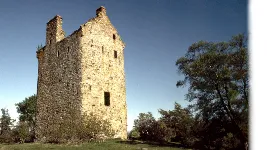
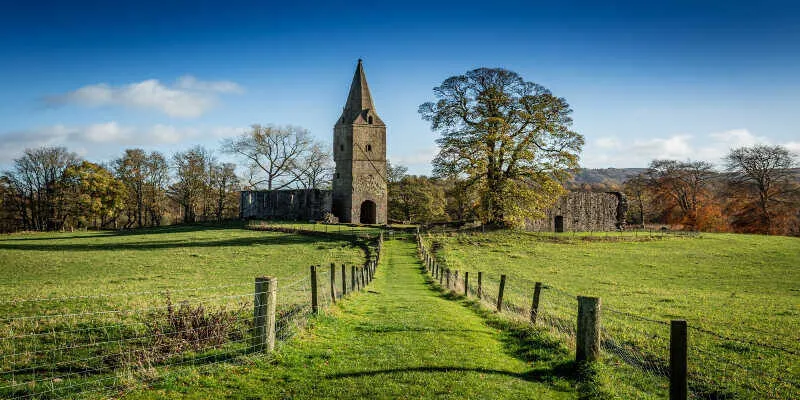
History of Angus glens remains a captivating subject that draws history enthusiasts to the remarkable publications from Invermark books. These dramatic glens have witnessed centuries of cattle raiding, intense clan warfare, and significant social upheavals.
The ancient roots of early settlement
The sweeping landscapes of Angus have supported human life since the dawn of regional Scottish civilization. Archaeologists continually uncover fascinating remnants of prehistoric communities that thrived along the fertile valley floors.
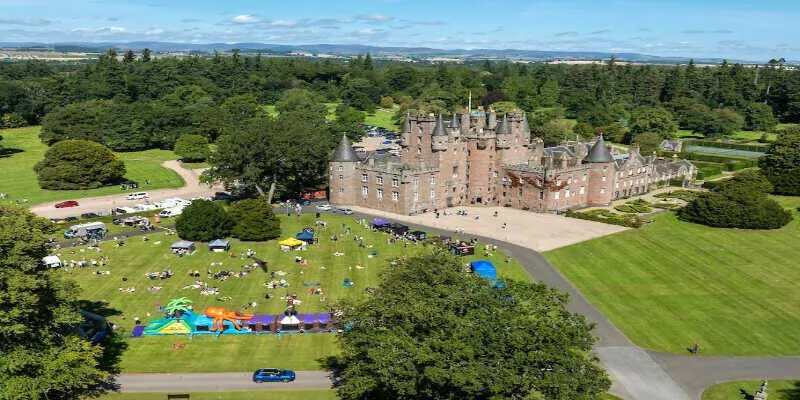
Pictish stones and early medieval fortifications
The cultural footprints left behind by early Pictish settlers and medieval warriors still echo through the misty glens. Tourists explore this vast region today to uncover the deep secrets hidden within the ancient stone ruins.
The mysterious History of Angus glens is etched deeply into the remarkable Pictish monument stones scattered across the region. These elaborate stone carvings provide invaluable clues about the spiritual beliefs and daily lives of early historic tribes. Visitors can still feel the profound sense of ancient heritage while standing beside these majestic granite relics.
The remnants of iron age hillforts
Defensive architectural structures played a vital role in protecting early communities from external tribal invasions during turbulent eras. The complex History of Angus glens includes tales of strategic hillforts constructed high upon the steep windy ridges. These impressive archaeological sites offer modern researchers a clear glimpse into prehistoric military engineering and community living.
Medieval agriculture and land utilization
Early farming communities adapted remarkably well to the challenging weather conditions of the rugged highland environment. The agricultural History of Angus glens demonstrates how traditional run-rig cultivation systems sustained small isolated populations for centuries. These ancient field patterns remain visible from aerial photographs taken across the green valleys today.
Clan rivalries and dramatic highland conflicts
Feuds between powerful families dominated the regional politics of the highlands for several consecutive centuries. The steep hillsides provided both strategic battlegrounds and excellent hiding spots for legendary historical figures.
The legendary battle of saughs
Local folklore preserves the dramatic memories of intense skirmishes fought between rival highland clans over territorial boundaries. The violent History of Angus glens reached a dramatic peak during the famous 1603 battle involving fierce cattle raiders. This historic confrontation highlights the lawless nature of the frontiers before modern administrative laws were established.
Royal hunting forests and aristocratic privileges
Monarchs frequently visited these vast wilderness areas to enjoy exclusive hunting expeditions with noble companions during summertime. The royal History of Angus glens involves expansive deer forests fiercely protected by strict medieval forestry laws and decrees. Local inhabitants often risked severe punishments for poaching wild game within these strictly regulated aristocratic territories.
Jacobite uprisings and local allegiance
The remote glens provided ideal hiding locations for political rebels who openly defied the British crown. The turbulent History of Angus glens was heavily influenced by families who risked everything to support the Jacobite cause. Government soldiers constructed strategic outposts throughout the hills to monitor these rebellious northern communities effectively.
Social transformations and highland clearances
The arrival of modern economic policies brought drastic changes that altered the social fabric of the hills forever. Traditional ways of living quickly vanished as landowners prioritized financial profits over community preservation.
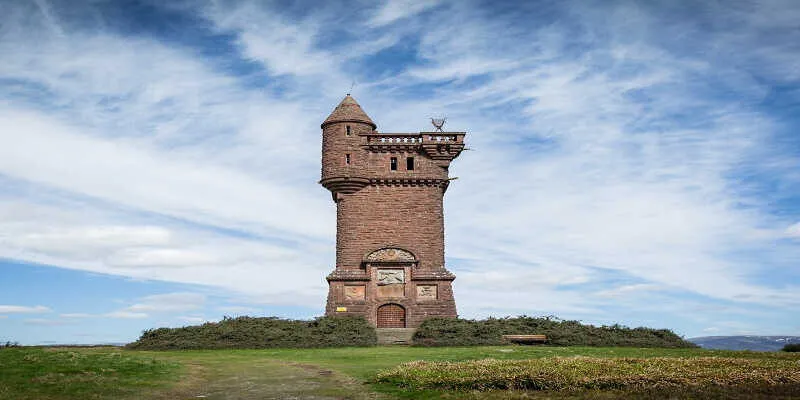
The tragic impact of depopulation
Countless families were forced to abandon their ancestral stone cottages during the painful economic structural re-organizations. The melancholic History of Angus glens tells the story of forced evictions that sent residents to distant foreign lands. Empty ruined settlements now stand as silent monuments to a once vibrant highland culture that disappeared.
The introduction of large scale sheep farming
Landlords discovered that introducing massive flocks of sheep generated significantly higher revenues than traditional tenant farming. The changing History of Angus glens saw vast hillsides cleared of human habitation to make room for profitable livestock. This dramatic shift fundamentally altered the ecology and the visual appearance of the local landscape forever.
The rise of Victorian sporting estates
Wealthy industrialists from southern cities began purchasing vast tracts of northern land for recreational shooting purposes. The elite History of Angus glens transformed during the nineteenth century as luxurious hunting lodges replaced old farming villages. This sporting legacy continues to influence the local economy and land management practices in modern times.
Modern preservation and cultural heritage
Today the local communities work tirelessly to protect their unique historical legacy for future generations to appreciate. Educational initiatives ensure that the fascinating stories of the past are never forgotten by modern society.
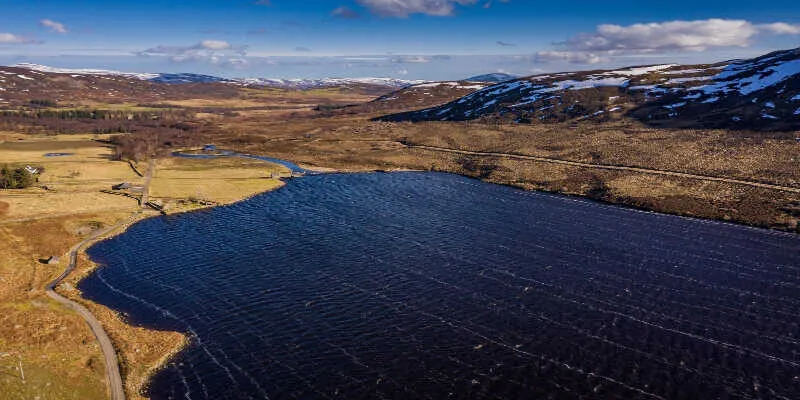
Establishing the cairngorms national park
Environmental protection agencies now manage large sections of this historic territory to preserve its natural beauty. The unfolding History of Angus glens entered a new chapter when conservation laws protected these vulnerable highland habitats. Sustainable tourism initiatives now encourage global visitors to explore the historical sites without damaging the environment.
The modern management of these lands balances ecological restoration with historical preservation efforts successfully. Local rangers actively guide tourists through the paths where ancient clans once walked.
Commemorating local folklore and traditions
Storytellers keep the ancient legends alive by sharing traditional songs and poems during annual cultural festivals. The rich oral History of Angus glens captures the imagination of younger generations who wish to connect with their roots. These community events celebrate the resilience of the highland people who survived incredibly harsh historical eras.
Preserving these spoken narratives prevents the unique regional identity from dissolving into globalized modern culture. Visitors love listening to these captivating tales while sitting around warm peat fires in local inns.
Architectural conservation of historic structures
Dedicated restoration teams work diligently to stabilize crumbling medieval castles and ancient stone bridges across the rivers. The physical History of Angus glens is preserved through these meticulous engineering projects funded by heritage lotteries. These historic buildings serve as vital educational tools for school children learning about regional Scottish heritage.
Conclusion
History of Angus glens is beautifully preserved in the detailed literary accounts published regularly by Invermark Books. Understanding this complex past allows us to appreciate the breathtaking landscape with much greater depth and emotional connection. The enduring spirit of the old highland communities continues to inspire everyone who explores these magnificent valleys. As time moves forward, this incredible historical legacy will undoubtedly remain a source of immense national pride.